کوردیKURDÎENGLISHTÜRKÇEعربي
Rudaw Logo
Live
Kurdistan
Middle East
OpinionsAnalysisWorldECONOMYInterviewCultureMultimedia
Live
Rudaw

Download the Rudaw app

App StoreGoogle Play
Privacy Policy•Terms of Use

© 2026 All rights reserved.

Rudaw

Download the Rudaw app

App StoreGoogle Play
Privacy PolicyTerms of Use

© 2026 All rights reserved.

A man in Sulaimani, Kurdistan Region, carries a block of ice from a factory to his car on July 4, 2018. Photo: Sartep Othman | Rudaw

A man in Sulaimani, Kurdistan Region, carries a block of ice from a factory to his car on July 4, 2018. Photo: Sartep Othman | Rudaw

lifestyle

Electricity demands in Kurdistan exceed expectations: officials

RUDAW English

RUDAW English

08-07-2018
Listen
0:00
0:00
Text Size
RUDAW English
RUDAW English08-07-2018

Related Articles

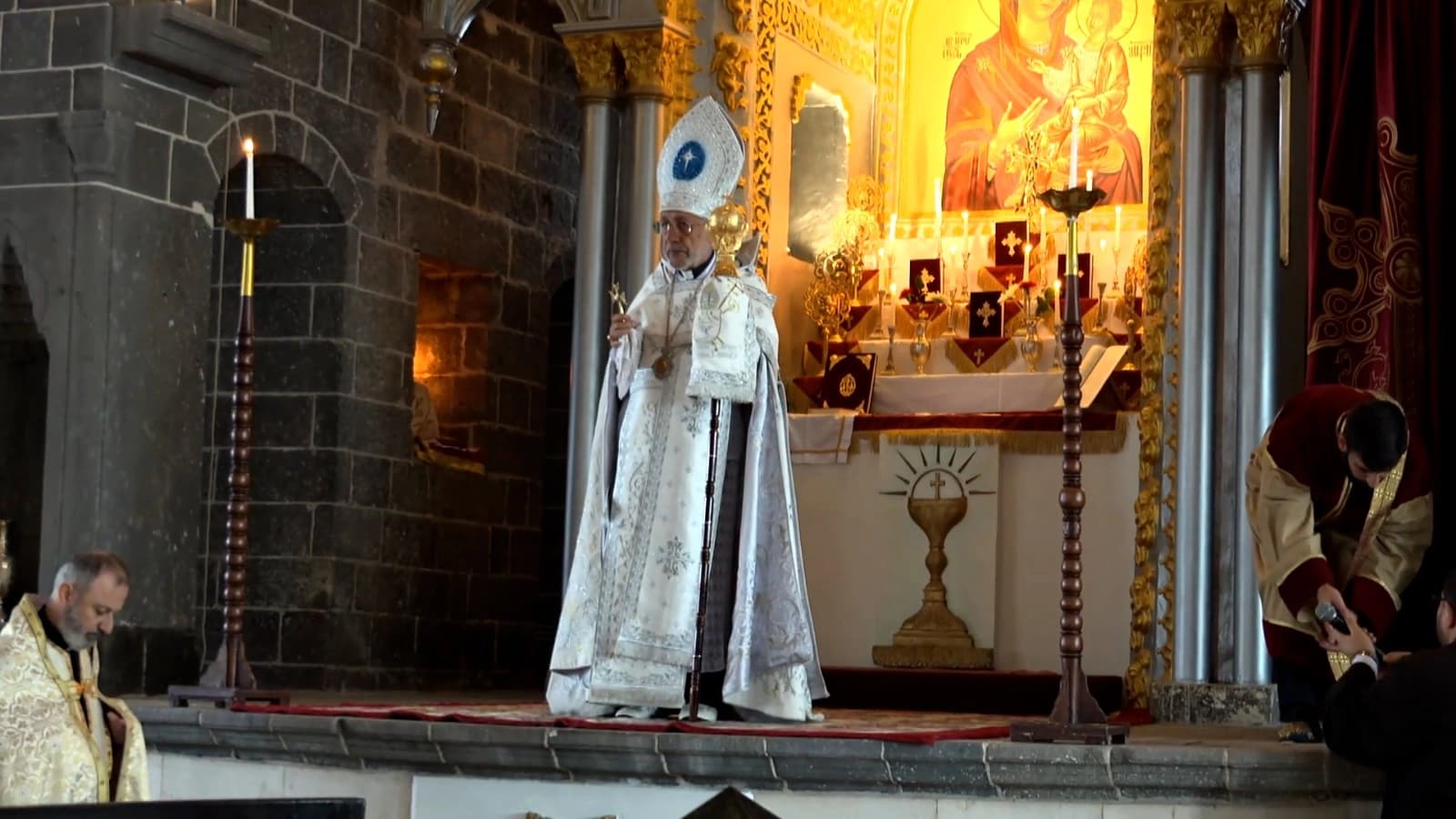
Armenian Catholic patriarch returns to ancestral homeland in historic visit
Turkey23-11-2026

Armenian Catholic patriarch returns to ancestral homeland in historic visit

US Treasury levies fresh sanctions on Iran-linked financial networks
Iran23-11-2026

US Treasury levies fresh sanctions on Iran-linked financial networks

Skulls, bones found in cave prompt probes into Kurdish disappearances in Turkey
Turkey23-11-2026

Skulls, bones found in cave prompt probes into Kurdish disappearances in Turkey

ERBIL, Kurdistan Region — Amid rolling blackouts in the hot summer months, officials from the Kurdistan Region say electricity demand is increasing and will likely continue.


“Demand on national electricity is increasing day by day. We had earlier anticipated that demand on electricity would reach 5,000 megawatts. It has now reached nearly this amount, which is a very high amount,” Omed Ahmad, director of Electricity Control in the Kurdistan Region, told Rudaw.

He added that demand is expected to rise even further, but the amount of electricity produced is still 2,700 megawatts. 

National electricity is supplied for 12 hours a day, he added. In June, during Ramadan, people were given 14 hours of national electricity.

Temperatures in the Kurdistan Region have risen into the mid-40 degrees Celsius in non-mountainous areas. People in cities or in areas without winds feel the heat, so they turn to private generators to power fans, refrigerators, air conditioners and coolers.


Additionally, in the Kurdistan Region's capital of Erbil there have been water shortages.

Related Articles

Armenian Catholic patriarch returns to ancestral homeland in historic visit
Turkey23-11-2026

Armenian Catholic patriarch returns to ancestral homeland in historic visit

US Treasury levies fresh sanctions on Iran-linked financial networks
Iran23-11-2026

US Treasury levies fresh sanctions on Iran-linked financial networks

Skulls, bones found in cave prompt probes into Kurdish disappearances in Turkey
Turkey23-11-2026

Skulls, bones found in cave prompt probes into Kurdish disappearances in Turkey

Questions