کوردیKURDÎENGLISHTÜRKÇEعربي
Rudaw Logo
Live
Kurdistan
Middle East
OpinionsAnalysisWorldECONOMYInterviewCultureMultimedia
Live
Rudaw

Download the Rudaw app

App StoreGoogle Play
Privacy Policy•Terms of Use

© 2026 All rights reserved.

Rudaw

Download the Rudaw app

App StoreGoogle Play
Privacy PolicyTerms of Use

© 2026 All rights reserved.

-

-

middleeast

Life was better in IDP camps, say Mosul families who regret returning

RUDAW English

RUDAW English

11-04-2019
Listen
0:00
0:00
Text Size
RUDAW English
RUDAW English11-04-2019

Related Articles

Why Kata’ib Hezbollah backed away from confrontation over Jurf al-Sakhr
Analysis20-11-2026

Why Kata’ib Hezbollah backed away from confrontation over Jurf al-Sakhr

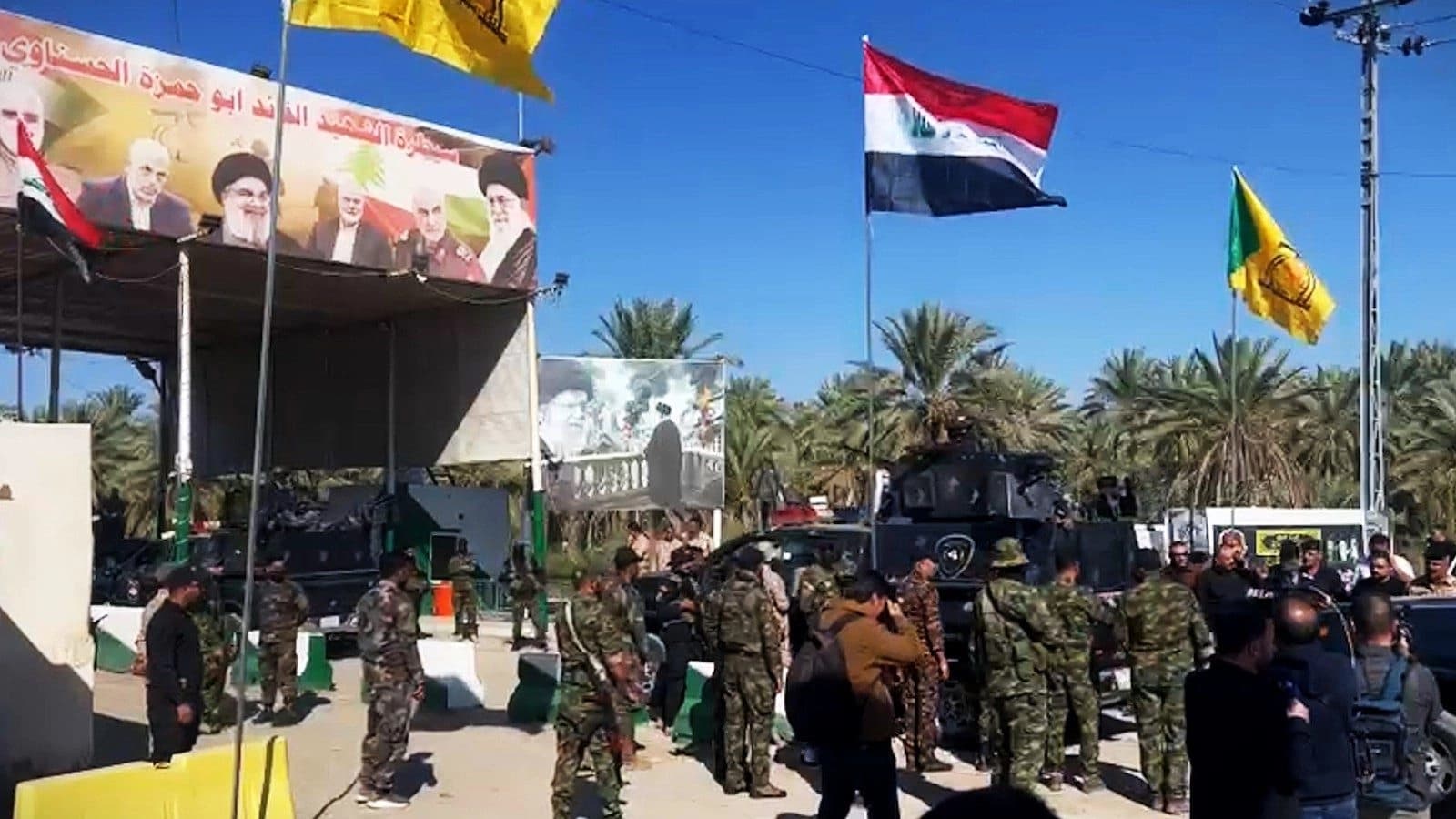
Iraqi forces enter Kata’ib Hezbollah stronghold
Iraq20-11-2026

Iraqi forces enter Kata’ib Hezbollah stronghold

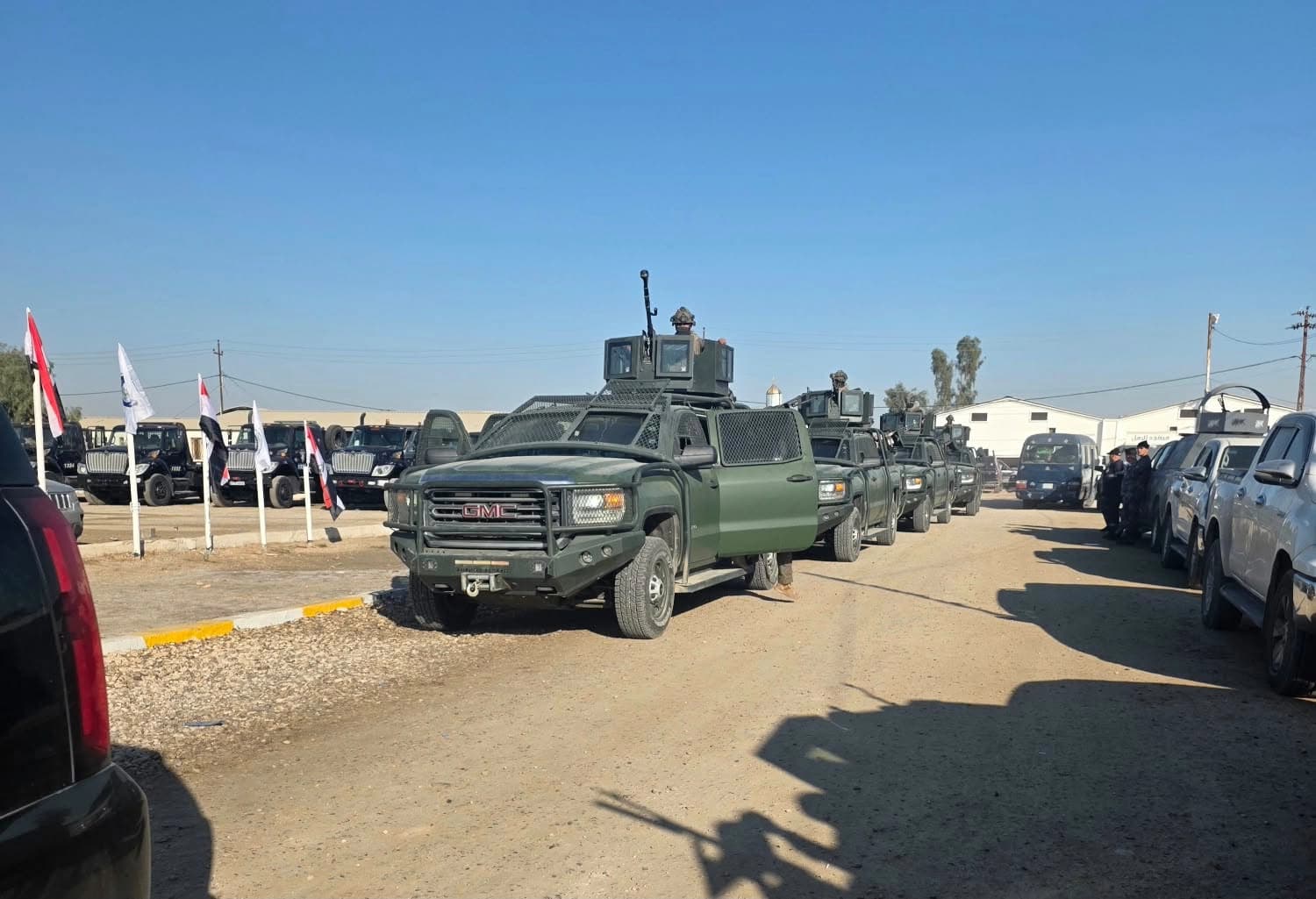
Iraqi forces establish command center in Kata’ib Hezbollah stronghold, road to reopen Saturday
Iraq20-11-2026

Iraqi forces establish command center in Kata’ib Hezbollah stronghold, road to reopen Saturday

MOSUL, Iraq – Life in a camp for internally displaced persons (IDPs) is hard – freezing cold in winter, flooded out in spring, scorching hot in summer, families struggle to survive on handouts from charitable organizations. But for some from Mosul, it’s better than life in the war-damaged city.

“We regret coming back. We were living better at the camps,” said Zanoun Yunis. A home owner from Mosul, he returned to his city to “no services, aid or organizations.”

Accusing the Iraqi government of not rebuilding and securing the city, Yunis is packing up to return to the camps. 

“We receive nothing from this country, no services, no organizations and no aid. It’s better for us to return back to the camps as we are in the same previous situation of living with deteriorating security and booby-traps,” he said. 

The nine month battle to oust the Islamic State from Mosul was described by coalition commander Lt. Gen. Stephen Townsend as “the most significant urban combat to take place since World War II.” Whole neighbourhoods were destroyed. The United Nations estimated $700 million would be needed for basic public infrastructure repairs of western Mosul alone. 

The city, however, has been mired in insecurity and corruption, scaring away investors, businesses, and locals. 

Mosul resident Mohammad Saeed Dawoud has rebuilt his house himself, without assistance. He says school fees for his five children go far beyond what he can afford, especially without jobs in the Old Mosul district. 

“Camps have doctors, hospitals, cash and aid. We should have remained there for a better living,” he said. “Here however, there is no life and officials only show up at election time to pay some money to buy the people’s votes.”

Nearly 550,000 people are still displaced from Nineveh province, which has Mosul as its capital. More than 1.6 million have returned home, according to figures from the International Organization for Migration. 


Reporting by ARAB24 
Related Articles

Why Kata’ib Hezbollah backed away from confrontation over Jurf al-Sakhr
Analysis20-11-2026

Why Kata’ib Hezbollah backed away from confrontation over Jurf al-Sakhr

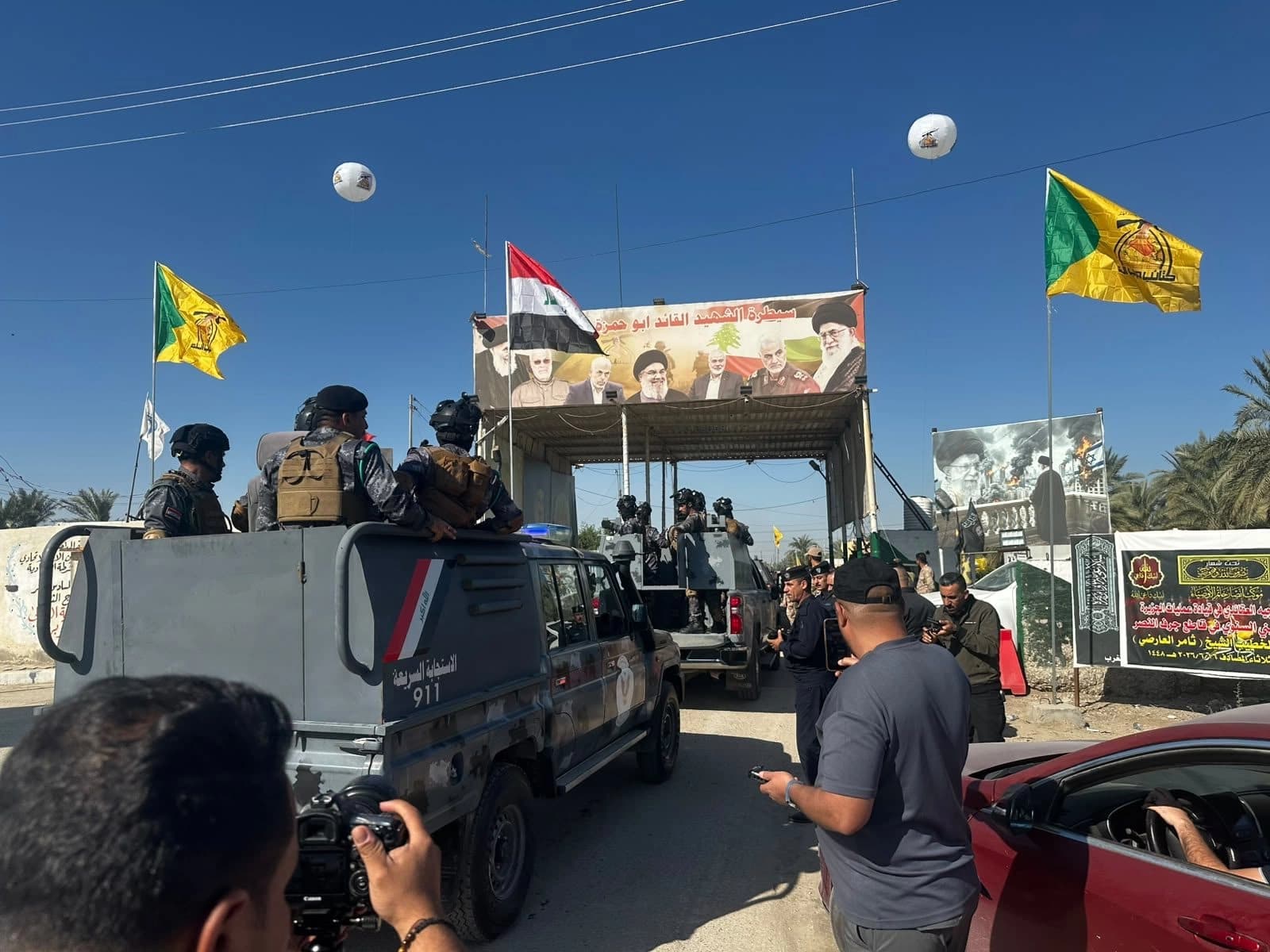
Iraqi forces enter Kata’ib Hezbollah stronghold
Iraq20-11-2026

Iraqi forces enter Kata’ib Hezbollah stronghold

Iraqi forces establish command center in Kata’ib Hezbollah stronghold, road to reopen Saturday
Iraq20-11-2026

Iraqi forces establish command center in Kata’ib Hezbollah stronghold, road to reopen Saturday

Questions