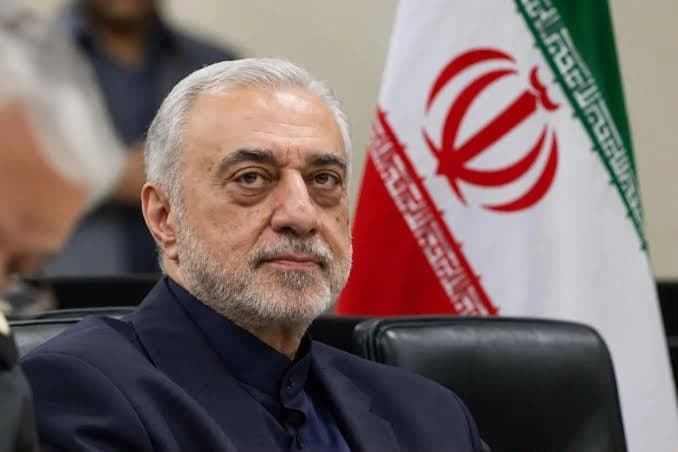
The final evidence event was with Alistair Burt, an old hand who is widely respected as an honest broker. Between two stints as Middle East minister, he joined an APPG delegation to Kurdistan and I don't doubt his affection for the country.
Kurdistan remains important as it "shares our values: a belief in democracy, tolerance and liberal values, diversity, and preventing extremism—so there are good reasons why we have a long relationship. ...that fight against Daesh has amplified all of these, giving us something we have shared in common, which we have needed to resist. They were in the frontline in relation to that resistance. If our common interest is the defeat of extremism and terrorism and seeking to encourage the very best of values in a region, I think these are absolutely mutual interests."
Ann Clwyd MP slammed the "tendency to idealise the Kurds, overlooking matters such as factionalism and corruption" and asked about recent suppression of peaceful demonstrations in which at least three people were killed and others injured. Burt conceded that because much information has not been evidence-based there is a limit to what the Government can comment upon but always backs the right of peaceful protest within the law.
My view is diplomats and friends should seek all views to understand why the KRG needs continuing reform. Friends shouldn't soft-soap the uglier side of Kurdistani politics, which should change else division, corruption, and lack of initiative hamper Kurdistan's revival.
Burt faced detailed questioning on the UK's position on the independence referendum and its approach to Baghdad. Asked when the FCO began efforts to persuade the KRG to postpone the referendum, he replied, very reasonably, that the UK only responded when the referendum was formally announced in June 2017.
The UK, he said, believes that Kurdish aspirations will not be met without agreement within the Iraqi constitution and had warned the KRG of the consequences of a unilateral referendum, a bargaining chip for some, but not "how it was seen in Baghdad by those who may not take the same benevolent view that we would want to take towards people’s aspirations."
He conceded that the UK/US offer "might have been framed at a late stage, but that was built on all the discussions that both sides were well aware of before then."
My guess is high-level negotiations peaked in September 2017. The problem with piecing together the timeline is there were several versions of the draft letter from US Secretary of State Rex Tillerson to President Barzani negotiated in Kurdish, Arabic and English. The stronger formula that the US would essentially endorse a later referendum if talks with Baghdad failed or Baghdad acted in bad faith only emerged in the letter of 23 September. Publication of all the texts would be useful.
But that is academic given Baghdad's decision to refuse to note the referendum and seek to make Iraq work in line with the constitution rather than use force. Burt drew hope from what he said were limited military exchanges and "a recognition that in the painful aftermath of the referendum, both sides had to continue to make concessions to each other."
Burt's analysis was sharply challenged by Labour's Ian Austin who said he understood the minister's desire "to smooth things over" but accused him of "downplaying Baghdad’s aggression" given nearly 100 Peshmerga deaths in Kirkuk and at least two substantial clashes on the borders of the KRG.
He worried that "the lack of criticism from the UK and others may convince Baghdad that it can do anything it likes without censure, and that that leaves the Kurds sort of swinging in the wind, particularly when it seems that the default Baghdad position is centralisation and aggression."
He also argued "Baghdad is working hard to justify the Kurdish view that Iraq can never work for the Kurds, even if they have to stay for now."
Austin also asked him to condemn the closure of the airports as designed purely to punish the Kurds. Burt said the closures were not helpful but disagreed that Baghdad seeks a centralised state without KRG autonomy "which we wish to see continue" because of the likely results "if you leave undealt with, long-standing grievances and one side takes action against the other that perpetuates or accentuates the grievances."
He also said that Baghdad should not be vindictive in any way, and expressed deep concern "if there was strong evidence that electoral success in Baghdad was being created at the expense of damage to the Kurdish region because that is highly risky and will not lead to the resolution and the non-sectarian future of Iraq..."
I believe there was substantial loss of life at Pirde and Zummar when the Iraqi Army sought to invade KRG territory beyond the 2003 borders, which would have breached the Iraqi constitution that does not permit the Iraqi Army entering KRG territory without its permission.
MPs commended UK mediation between Erbil and Baghdad. Burt was sceptical as this is an internal matter that Baghdad does not endorse. It would be useful if the offer of mediation is adopted in the final report as part of the necessary pressure for genuine dialogue between Erbil and Baghdad without outrageous conditions that some senior figures in Baghdad insist on.
Burt is an excellent minister who cares deeply about his brief and is diplomatically limited in what he can say and do. My fear is that this analysis misunderstands Baghdad's intentions.
Maybe there is much hot air as Shia forces limber up to the Iraqi election, but my fear is that many Baghdad leaders wish to crush the Kurds once and for all, imprison them in an under-funded and divided "Northern Iraq," and throw away the key.
I hope I am wrong, I hope there are serious negotiations behind the rhetoric, and hope the UK and others can mediate to avert the worst. The MPs' report could enhance the world's sharp learning curve about the Kurdistani plight and, whatever it precisely advocates, be a vital educational tool for friends who are concerned that Baghdad basically belittles its own constitution and Kurdistani rights.
Gary Kent is the Secretary of the All Party Parliamentary Group (APPG). He writes this column for Rudaw in a personal capacity. The address for the all-party group is appgkurdistan@gmail.com.
The views expressed in this article are those of the author and do not necessarily reflect the position of Rudaw.