ERBIL, Kurdistan Region - The minister of the water resources of Iraq has highlighted a newly constructed wetland project in Dhi Qar as a vital step to improve water security, combat pollution, and address drought in the heat-stressed southern province.
The project, handed over to the Iraqi government on February 16 by the International Organization for Migration (IOM) and the UN Environment Programme (UNEP), serves around 30,000 residents through efficient wastewater treatment.
It provides a sustainable, nature-based solution for climate adaptation, pollution management, biodiversity preservation, and environmental protection, according to the United Nations Iraq.
“The wetland in Al-Islah is a simple and cost-effective solution for improving water quality and protecting public health,” Minister Aoun Dhiab Abdullah told state media.
Al-Islah, east of the provincial capital Nasiriyah, faces severe water shortages due to low levels in the Gharraf River, affecting agriculture, livestock, and prompting displacement.
The minister added that the project is low-cost, easy to operate, environmentally suitable, supports biodiversity, and helps address climate challenges.
The aims to expand similar nature-based initiatives to strengthen water security and safeguard natural resources, he said.
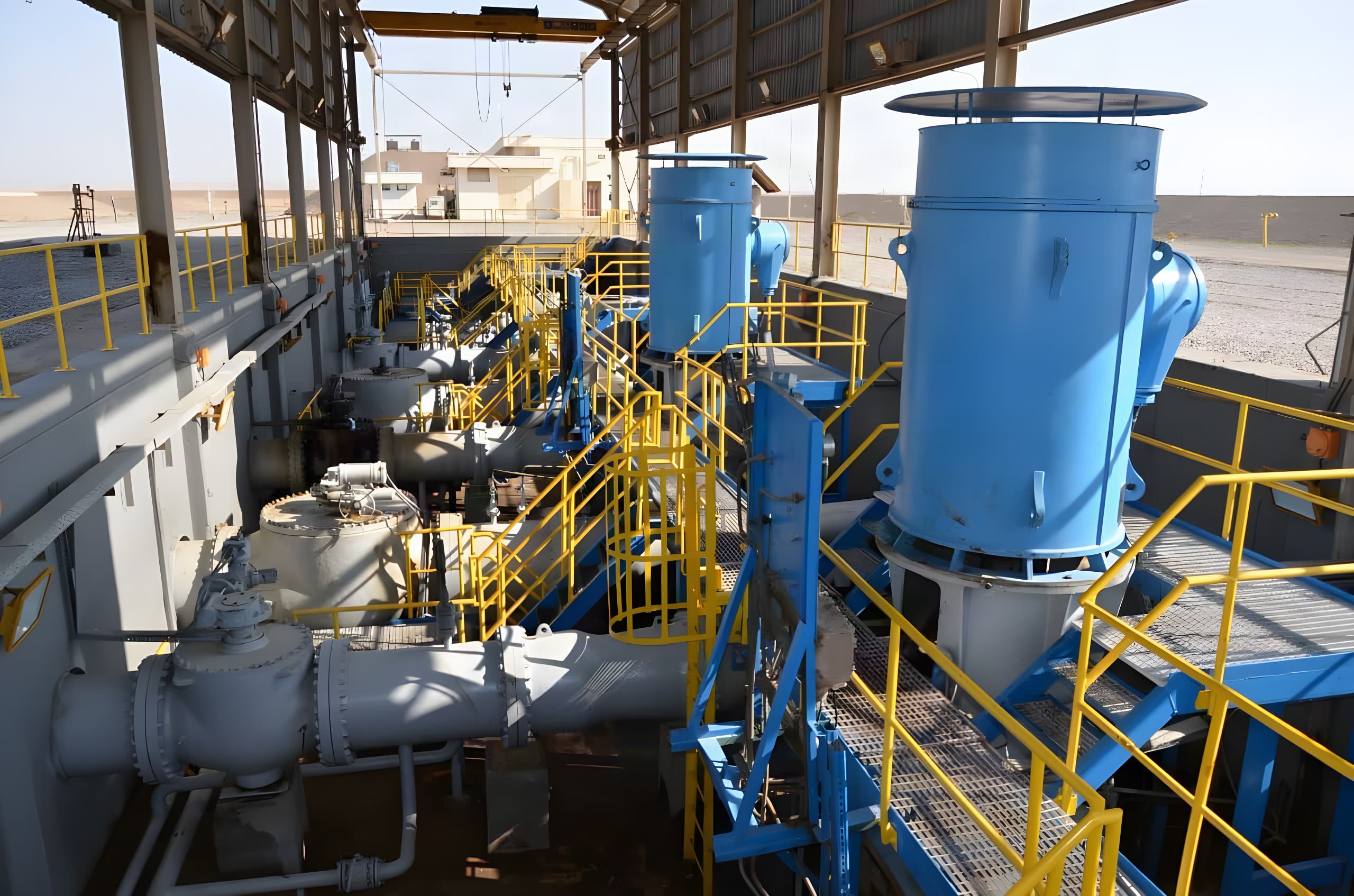
The project, built with support from the Swedish International Development Cooperation Agency, treats up to 4,000 cubic meters of wastewater daily using sedimentation and reed-bed filtration.
“The constructed wetlands project shows how nature can support people," Susan Gardner, Director of UNEP’s Ecosystems Division, said. "It is improving water quality and increasing water availability through sustainable solutions.”
Water scarcity in Iraq is worsening due to climate change, upstream dams, mismanagement, and in Dhi Qar, illegal river use.
The United Nations ranks Iraq among the world’s top five most vulnerable countries to declining water availability and extreme heat.
Just five years ago, Dhi Qar was a tourist destination for its abundant water, but today it faces the frontlines of climate change.