ERBIL, Kurdistan Region - Iraq has completely paid off all the money it owes to Iran for gas imports throughout the years, announced officials on both sides on Sunday, as Baghdad seeks to reduce its over-reliance on Iranian natural gas for power.
Ahmed Mousa, spokesperson for the Iraqi electricity ministry, told Iraqi state media that the ministry has paid off all its debts for gas imports from Iran, adding that the money has been deposited in a trust fund at the Trade Bank of Iraq (TBI).
“The Iraqi Ministry of Electricity has paid all its gas arrears to Iran and this debt is now zero. But sometimes there are problems to transfer money from TBI Bank to Iran,” Iranian state media cited Deputy Oil Minister Majid Chegeni as saying.
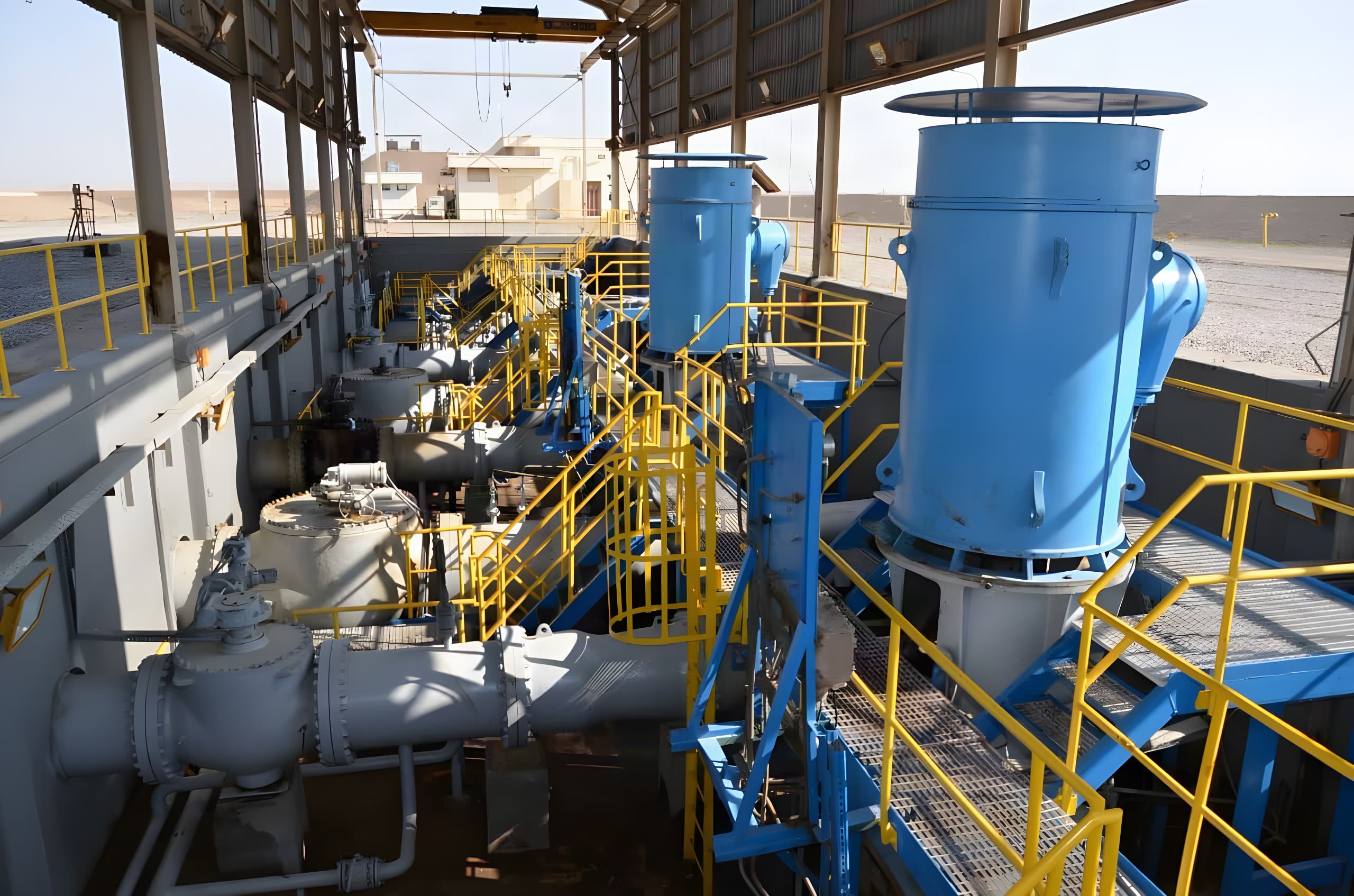
Iraq’s electrical grid has for years been dependent on gas imports from Iran to run its power generation plants. Earlier this month, Iraq released $2.7 billion of frozen Iranian assets to go towards the gas and electricity debt Baghdad owes to Tehran.
Despite its large oil and gas reserves, Iraq suffers from chronic electricity shortages, especially felt when summer temperatures reach over 50 degrees Celsius.
Iraq’s Prime Minister Mohammed Shia’ al-Sudani has repeatedly described improving the country’s energy sector as one of the main priorities of his cabinet, stating on multiple occasions that Baghdad seeks to achieve self-sufficiency in gas and end the import of the natural resource within the next five years.
The Iraqi premier on Sunday inaugurated the first phase of projects to develop and raise the efficiency of operating gas units in eight power stations across the country.
The project, which installs systems to cool down the air entering gas generators, seeks to compensate 797 megawatts of electric power units lost due to the summer heat, according to a statement from Sudani’s office.
Sudani in January signed a memorandum of understanding with the German energy giant Siemens to increase Iraq’s energy production, reduce waste, and maintain energy stability. The contract with Siemens will save Iraq 30 percent of maintenance costs.
Iraq and Saudi Arabia signed an electricity interconnection agreement last year, which will see Baghdad linking its electric power grid with the Gulf, implementing a memorandum of understanding signed between the two countries earlier the same year.