ERBIL, Kurdistan Region - Iraq has established a high-level committee to prepare a new draft agreement on the Kirkuk-Ceyhan oil pipeline as the current deal expires in July.
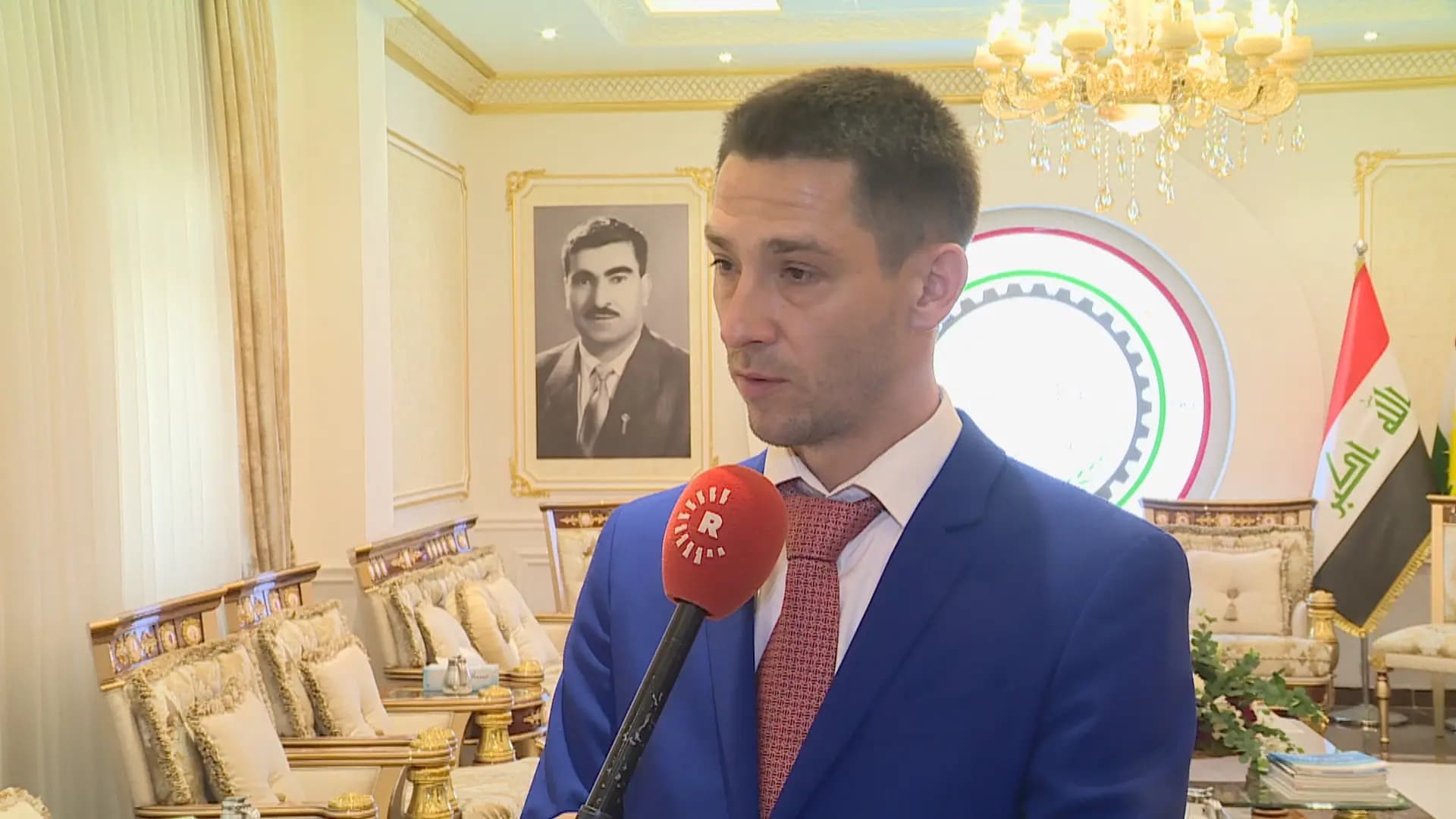
Salim al-Rukabi, spokesperson for the Iraqi Ministry of Oil, told Rudaw on Tuesday that the Iraqi government "attaches great importance to the renewal of the Iraq-Turkey agreement,” adding that “a high-level committee, chaired by the minister of oil and including several officials from the general directorates of relevant departments, has been established to discuss the draft of the new agreement.”
“The issue is still in the stage of finalizing discussions and procedures to reach a joint draft that both parties can agree upon.”
The current pipeline agreement, first signed on August 27, 1973, is set to expire on July 27, 2026, following Ankara’s decision to terminate the deal.
In July 2025, Turkish President Recep Tayyip Erdogan issued a decree ending the Iraq-Turkey Pipeline (TIP) agreement, calling for a broader framework that would also cover gas, electricity, and petrochemicals alongside crude oil.
The move followed a Paris-based arbitration ruling in Iraq’s favor, which ordered Turkey to pay compensation over violations of the 1973 agreement related to oil exports from the Kurdistan Region without Baghdad’s approval.
After the ruling, the two sides adopted a temporary arrangement brokered by the United States, allowing the Kurdistan Regional Government (KRG) to export oil via Iraq’s State Oil Marketing Organization (SOMO).
The development comes as Iraq seeks to diversify its export routes amid disruptions linked to regional tensions between the US and Iran.
A nearly six-week conflict that began on February 28 and ended with a ceasefire on April 8 led to reciprocal restrictions between Washington and Tehran, significantly affecting Iraq’s oil exports through the Strait of Hormuz.
During that period, exports through southern Basra ports dropped sharply, reaching around 10 million barrels in April compared to a pre-conflict monthly average of about 93 million barrels.
In response, Baghdad has accelerated efforts to expand alternative export routes through pipelines and tanker transport.
Amid the maritime escalation, Iraqi oil exports dropped to 18.6 million barrels in March, generating about $1.96 billion in revenue, compared to more than 99 million barrels and $6.81 billion in February, according to figures provided by Baghdad’s oil ministry.
Prior to the conflict, Iraq and the Kurdistan Region were producing a combined 4.5 million barrels of oil per day, according to figures released in February. Combined production has fallen to under 1.3 million barrels per day, marking an overall decline of 3.2 million barrels per day.