
ERBIL, Kurdistan Region - Iraq's oil production remains significantly below pre-war levels as the country seeks alternative export routes following months of disruption caused by the closure of the Strait of Hormuz during the Iran war.
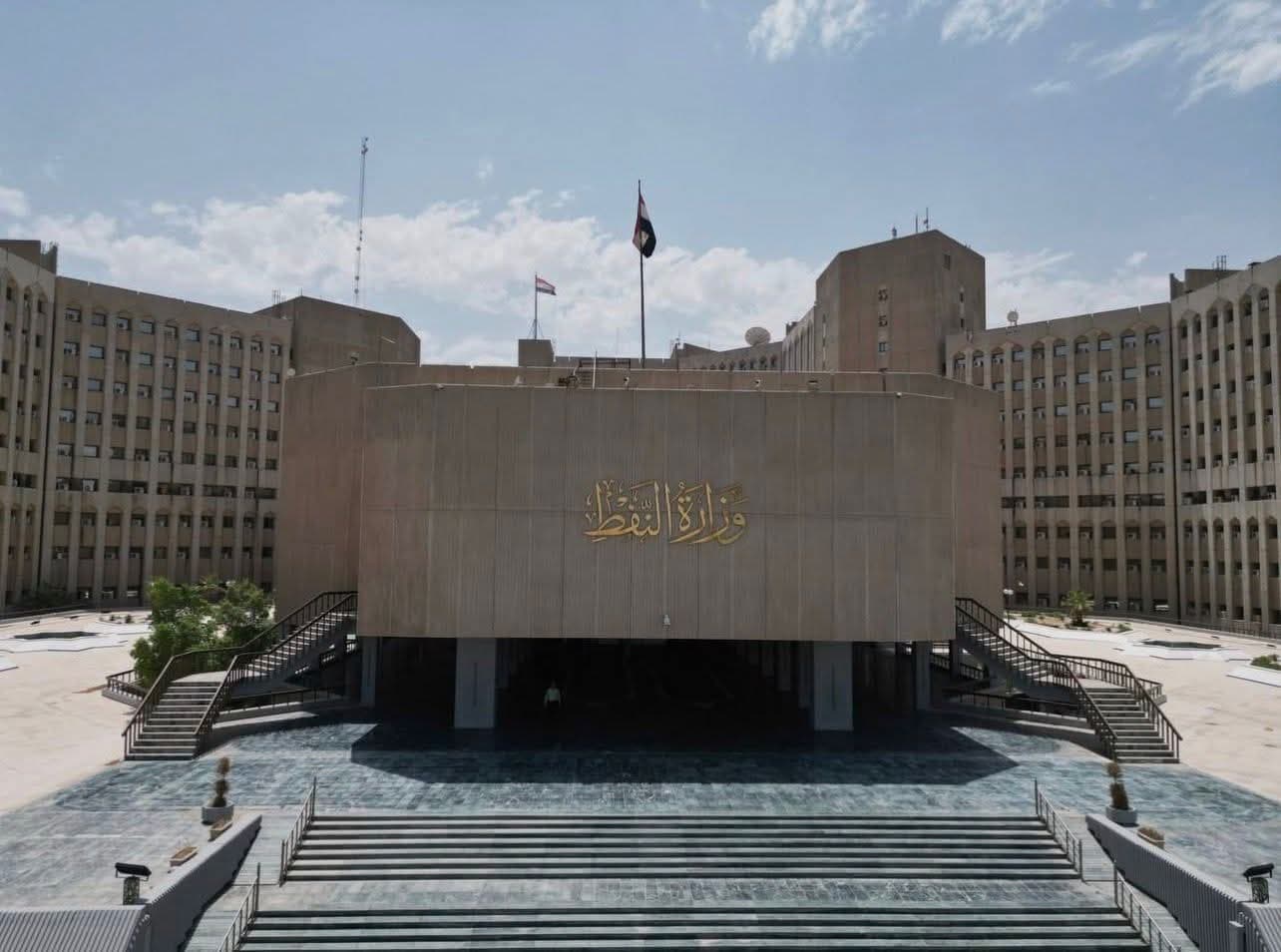
“Iraqi crude oil production on a daily basis stands at nearly 1.5 million and half barrels per day,” an Iraqi oil ministry spokesperson told Rudaw on Sunday, adding that following the reopening of the Strait of Hormuz, “the ministry's plan is to increase exports by sea instead of using tankers, while maintaining exports via tankers from the northern outlets.”
Salim al-Rikabi noted that the “strait has not returned to normal traffic as before the war, so the operation of the start of exporting Iraqi crude oil from southern ports."
The Strait of Hormuz, a vital global energy chokepoint through which around a fifth of global energy exports normally pass, was restricted to maritime traffic at the start of the six-week war between the US, Israel, and Iran in late February.
Iran and the US signed a memorandum of understanding last week, which calls for the immediate reopening of the waterway. The strait was reopened following the fragile deal but Iran said late Saturday that it had once again closed it citing violation of the agreement by the US and its regional ally, Israel.
Washington denied the claim, saying the waterway remains open and under its control.
Iraq, which exported more than 90 percent of its crude oil through maritime shipping before the war, was heavily impacted by the disruption.
Rikabi stated on Sunday that Iraq's crude oil exports exceeded 3 million barrels per day before the conflict.
The dramatic decline in oil exports has pushed Iraq to seek alternative routes, including through the Kurdistan Region's pipeline to Turkey and overland routes through Syria.
Regarding exports through the Kurdistan-Ceyhan pipeline, the spokesperson said, “we have a plan to increase these exports, especially after the completion of the Basra-Haditha pipeline, which increased the volume of oil transported from the southern regions to the northern regions to 2 million barrels.”
Iraq exports nearly 90 percent of its oil through its southern ports, which have a monthly export capacity of around 92 million barrels. Exports have fallen sharply since late February, dropping to just 10 million barrels in April.
Srwa Hawramy contributed to this article.