ERBIL, Kurdistan Region - Farmers in Erbil’s Balakayati area say an oversupply of their cucumber harvest has pushed prices down to levels that barely cover production costs amid calls for government support and new markets for their local and organic produce.
Production hovers around 40 tons of cucumbers a day for farmers in the Balakayati area near Choman in northeastern Erbil, just 24 kilometers from the Iranian border, who planted around 2,750 dunams of cucumbers and 8,000 dunams of tomatoes this year, according to figures provided to Rudaw by the Soran Independent Administration.
Despite access to fertile soil, the combination of low price points due to an overabundance of supply, coupled with high production costs, has led to significant losses.
Bakhtiyar Shorish, a farmer from Nawanda village in Choman district, told Rudaw's Mohammed Sheikh Fatih on Sunday that cucumbers are currently being sold for about 200 Iraqi dinars per kilogram ($0.15). “We sell a kilo of cucumbers for 200 dinars, while the production of one ton costs us 200,000 dinars ($152),” he said.
Harvesting and transportation costs “reach 180,000 dinars per ton ($137), so sometimes we actually end up in debt,” Shorish said.
Oversupply weighs on prices
Farmers told Rudaw that large quantities of produce remain unsold for days at wholesale markets.
Abdulwahab Mahmoud, the director of Haji Omran sub-district and a farmer himself, attributed the problem primarily to over-planting.
He cited the need for more efficient agricultural supply chain regulation and procurement management to help farmers obtain better market prices.
An investigation by Rudaw found that farmers are selling cucumbers for around 200 to 250 dinars per kilogram, while wholesale prices range between 250 and 300 dinars. The produce is then sold by middlemen to grocery shops for 350 to 400 dinars before reaching consumers at around 750 dinars per kilogram ($0.57).
Fertilizer costs add to farmers’ burden
Rising fertilizer costs, following the US-Iran war in late February and subsequent maritime restrictions on the Strait of Hormuz, have blocked nearly a quarter of global urea exports and one-third of overall seaborne fertilizer trade, further compounding production-related expenses.
Kosrat, a farmer from Shiwarash village, told Rudaw a bag of fertilizer that previously cost around 20,000 dinars now sells for 50,000 dinars or more ($38).
Farmers are calling on the Kurdistan Regional Government (KRG) to subsidize agricultural input, citing high commercial prices.
Surplus produce faces barriers outside Kurdistan
The Kurdistan Region produces an estimated 150,000 to 200,000 tons of cucumbers annually, while local demand is estimated at 100,000 to 120,000 tons.
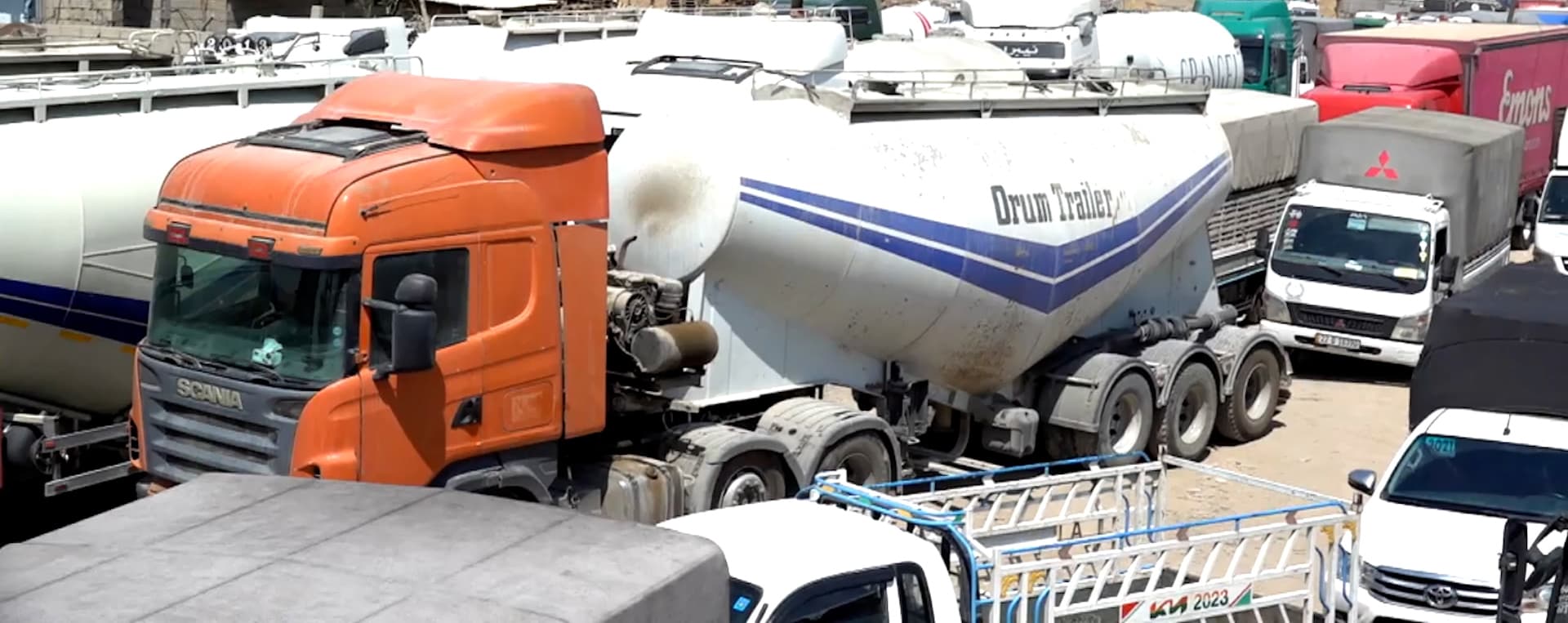
The surplus, estimated at between 40,000 and 70,000 tons, is usually transported to other parts of Iraq. However, farmers and market representatives say checkpoints operated by Iraq's Iran-aligned Popular Mobilization Forces (PMF) in the disputed areas between Erbil and Baghdad creates additional obstacles for the movement of Kurdish agricultural products to other Iraqi cities, limiting farmers’ access to wider markets.
Farmers said the lack of cold-storage facilities poses an additional challenge. A cold-storage facility in Soran was completed 16 years ago but has never become operational, they told Rudaw, leaving farmers with limited options for preserving their produce after harvest.
Officials promise new markets and storage
In an interview with Rudaw on Sunday, Halgurd Sheikh Najib, supervisor of the Soran Independent Administration, pledged to meet with farmers and work to find new markets for their surplus produce and mitigate protection through local export laws.
Sheikh Najib called on investors to establish cold-storage facilities in the region, saying the administration would facilitate such projects.
Kamaran Hussein, director general of agriculture in Soran, described the area as one of Iraq’s richest agricultural “food baskets” and called for local agricultural products to be branded under ‘origin’ stickers so consumers can easily identify and support locally produced goods, while urging the KRG to increase investment in agriculture.