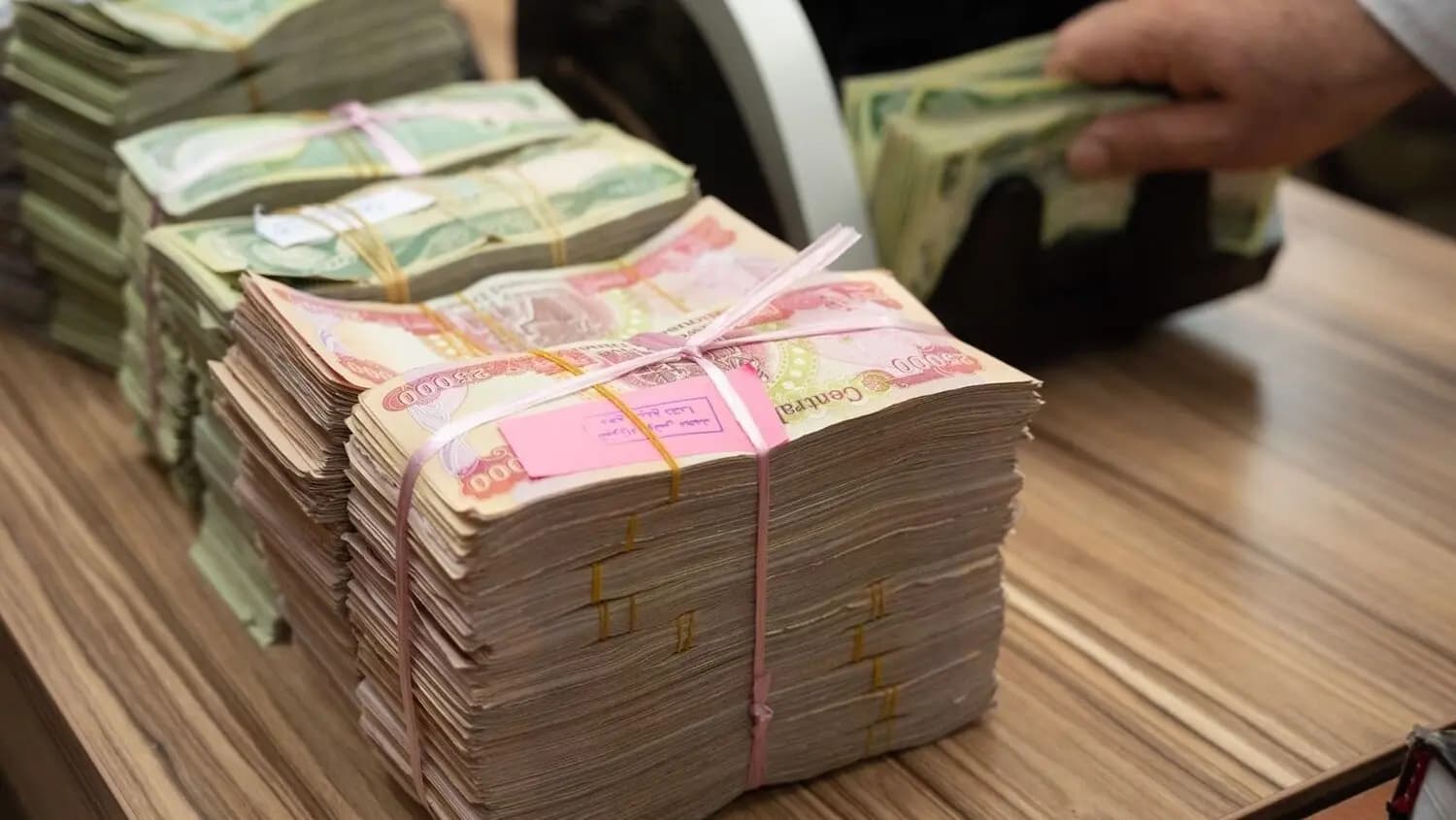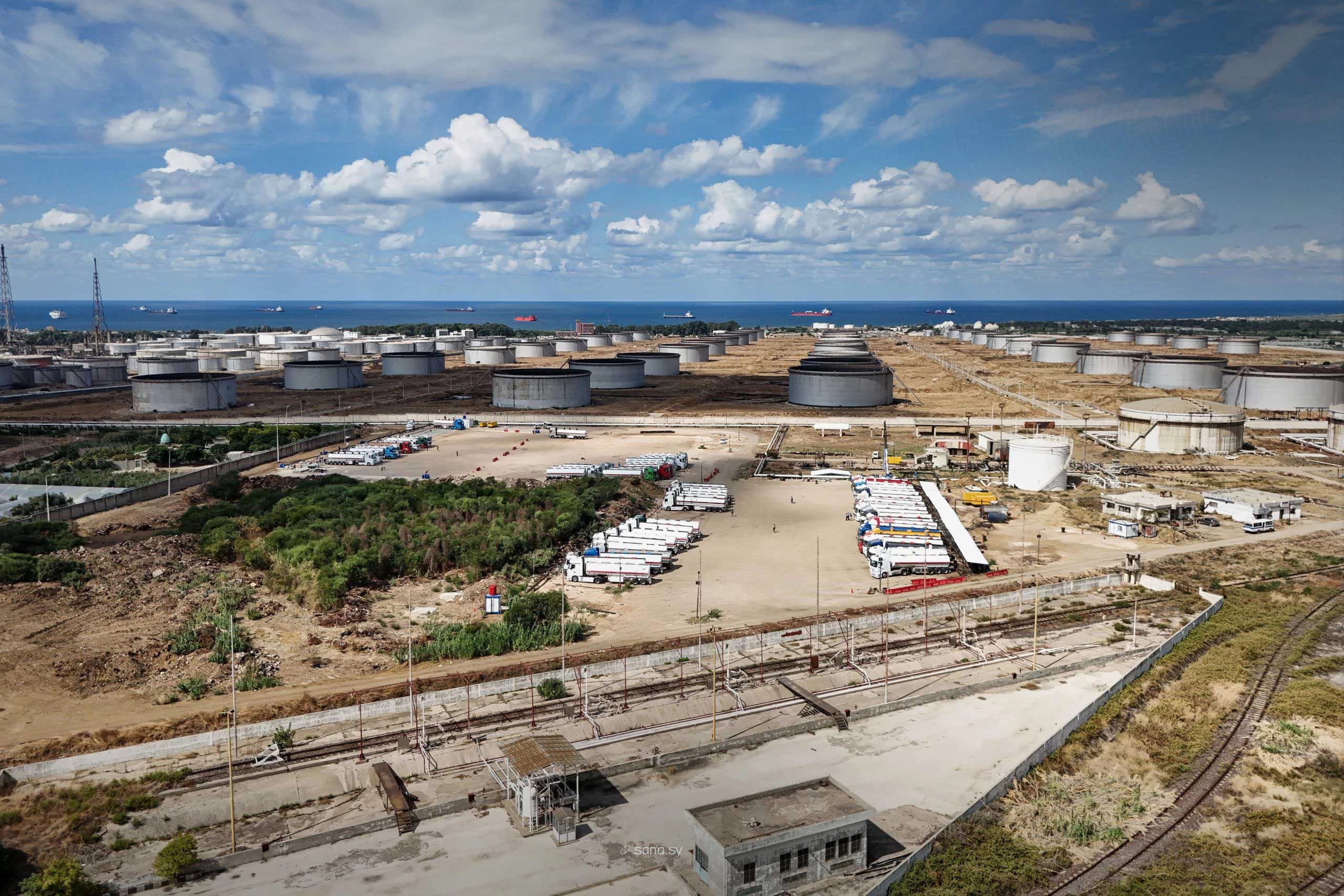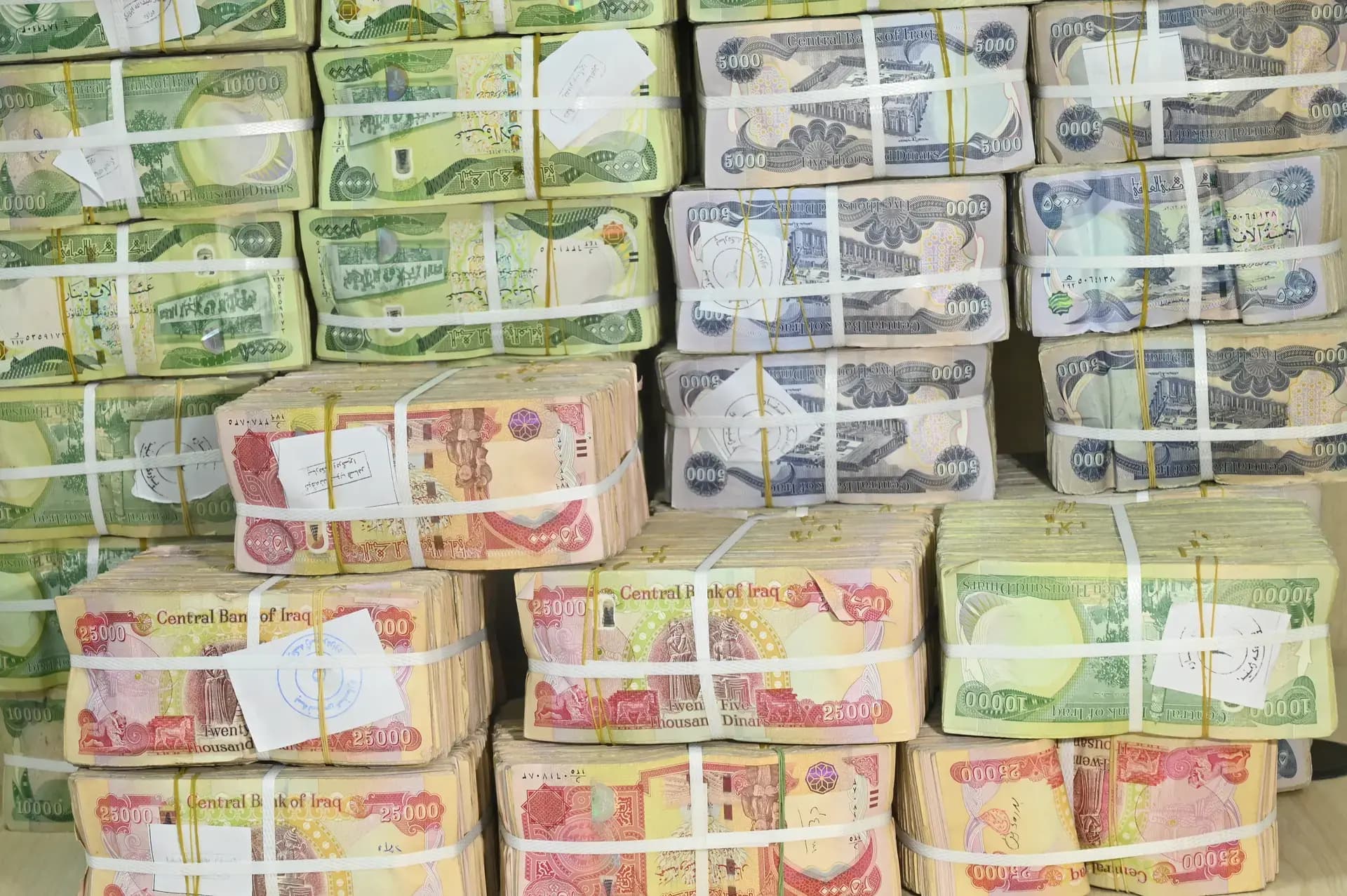

ERBIL, Kurdistan Region - Iraq recorded a gap of more than 29 trillion dinars ($22.4 billion) between government revenue and total spending during the first seven months of 2026, Finance Ministry figures showed Sunday, as disruptions in the Strait of Hormuz sharply reduced oil revenues while government spending remained high.
Government revenue totaled 39.09 trillion dinars ($30.1 billion) through the end of July, while total expenditure reached around 68.26 trillion dinars ($52.5 billion), according to the ministry's latest budget-execution data. Oil supplied 30.35 trillion dinars of revenue and non-oil sources another 8.73 trillion.
The figures show the scale of the fiscal damage Iraq has suffered since the Iran conflict disrupted shipping through the Strait of Hormuz, the route used for most of Iraq's seaborne crude exports. Oil revenue fell by around 53 percent from 64.95 trillion dinars during the same seven months of 2025, while overall state revenue dropped about 46 percent, from roughly 72 trillion dinars.
The deterioration came even as Baghdad sharply cut spending, but almost entirely at the expense of investment. Total expenditure declined from 77.33 trillion dinars in the first seven months of 2025 to 68.26 trillion this year. Investment spending, however, fell by nearly 80 percent, from around 13 trillion dinars to just 2.8 trillion.
By contrast, current expenditure remained largely unchanged, according to the ministry's numbers, and even rose slightly to around 65.42 trillion dinars from approximately 64.33 trillion a year earlier. Despite collapsing oil income, Baghdad has protected salaries, pensions and other obligations while reducing capital investment as part of its adjustment strategy.
One central weakness in Iraq's public finances has been the government's inability to maneuver whatever little room it has to rapidly cut a large wage, pension and welfare bill when oil revenue falls.
Employee compensation alone reached 35.85 trillion dinars through July. Another 15.98 trillion went toward pensions and social protection, while the ministry recorded around six trillion dinars in grants, subsidies and other assistance. These expenditures combined took up the overwhelming majority of state spending.
The fiscal shock intensified after the outbreak of the regional war in late February and subsequent restrictions on shipping through Hormuz. Iraq exported more than 99 million barrels of crude in February, generating $6.81 billion, but shipments collapsed to only 18.6 million barrels in March, generating $1.96 billion, an 80 percent decline in oil export volumes in a single month.
The World Bank subsequently said Iraqi oil production had fallen to around 1.3 million barrels per day during the crisis, less than a third of its earlier level, estimating foregone oil revenue of up to $7 billion in March alone. It described the conflict as producing a “sizable loss in oil revenues” and adding to Iraq's fiscal and external pressures.
The International Energy Agency described the wider Hormuz disruption as the largest supply shock in the history of the global oil market, with flows through the strait falling from about 20 million barrels per day before the conflict to an average of just 2.7 million barrels per day during March, April and May. Iraq, unlike Saudi Arabia and the United Arab Emirates, has limited capacity to bypass the waterway.
The crisis struck an Iraqi fiscal system that international institutions had warned was already vulnerable. Before the current conflict, the International Monetary Fund said Iraq's fiscal break-even oil price had risen to around $84 per barrel in 2024, compared with $54 in 2020, as government spending and the public wage bill expanded. The IMF also warned that financing constraints would likely force Iraq to reduce capital expenditure if it didn’t raise non-oil revenue and contained recurrent costs.
Iraq has operated throughout 2026 without a new federal budget law, relying instead on provisions of the Financial Management Law that allow for monthly spending equivalent to one-twelfth of previous recurrent expenditure. This prioritizes obligations such as wages, pensions, social protection and essential operating expenses, while reducing new investment.
The growing fiscal imbalance comes against the backdrop of increasing pressure on the state's financial buffers. Central Bank data showed Iraq's domestic public debt rising to about 109.5 trillion dinars by the end of July, around 19 trillion dinars higher than at the end of 2025. Foreign reserves, meanwhile, fell from $97.4 billion at the end of last year to about $80.6 billion in July.
The IMF has previously warned Iraq against relying heavily on monetary financing to cover fiscal shortfalls, saying it could increase inflationary pressures, drain foreign-exchange reserves and weaken the Central Bank's balance sheet.
Oil exports have since made a recovery but remain below pre-war levels. Iraq exported around 73.7 million barrels in August, compared with more than 99 million in February, while Basra's production stood at around 2.9 million barrels per day in September, below the 3.2 million to 3.3 million produced before the Hormuz disruptions.
For the Kurdistan Region, federal accounts showed 5.37 trillion dinars in employee compensation through July and another 1.95 trillion dinars in pension and social-protection spending. The Region's non-oil revenues rose from 439 billion dinars in the first seven months of 2025 to 693 billion this year, equivalent to around eight percent of Iraq's total non-oil revenue.
The pressure now hangs over preparations for Iraq's 2027 budget. The Finance Ministry has said the new spending plan will put greater emphasis on non-oil revenue and fiscal discipline, while the government is simultaneously seeking alternative crude-export routes to reduce the country's exposure to another disruption in Hormuz.