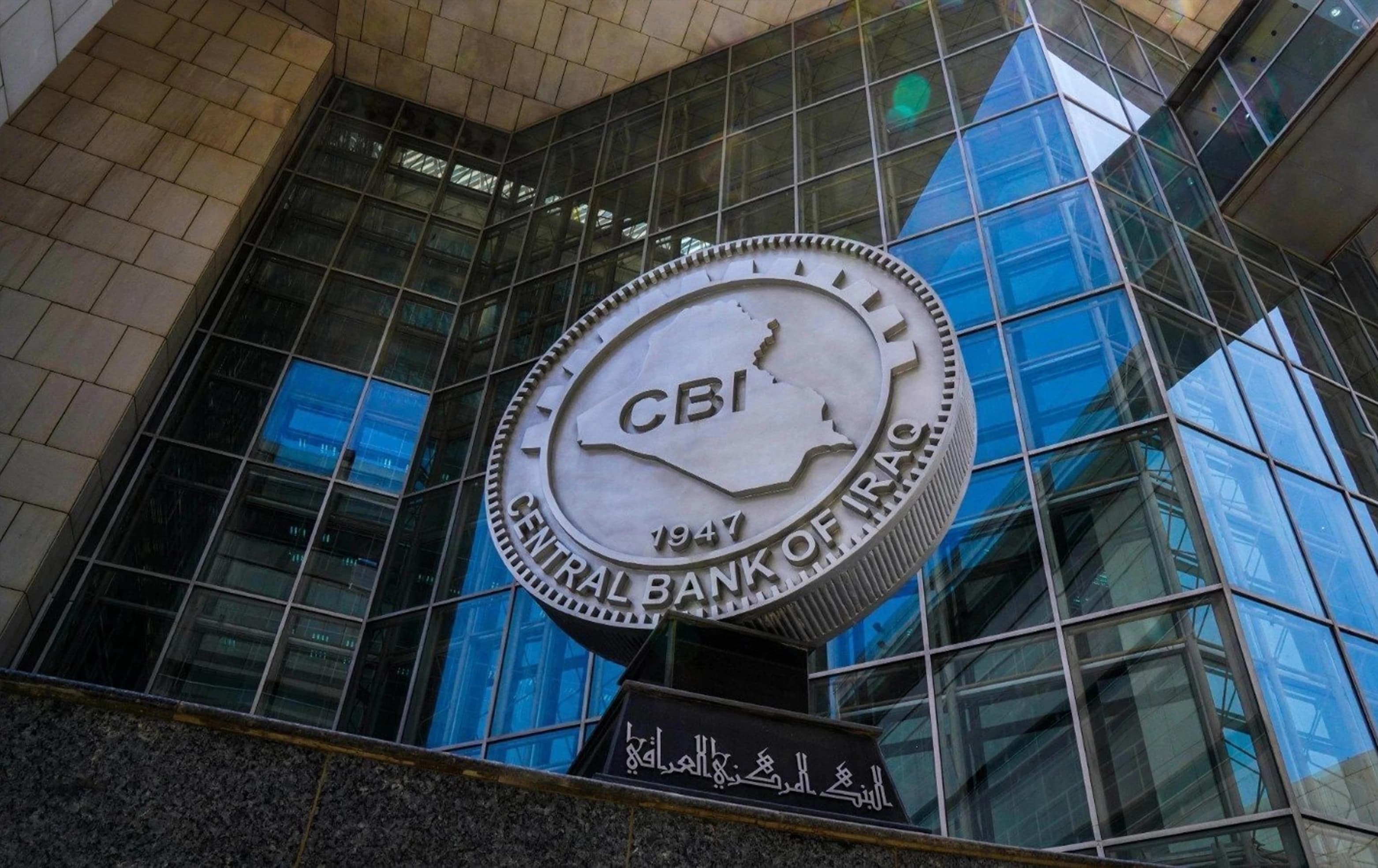

ERBIL, Kurdistan Region - Iraq expects additional shipments of US dollar worth up to $1 billion as part of efforts to stabilize the currency market and strengthen the Iraqi dinar, a Central Bank of Iraq (CBI) adviser said Saturday, weeks after the government devalued the national currency.
Mahmoud Dagher, who serves as the official spokesperson and adviser to the Governor of the CBI, said two shipments of cash dollars had already arrived in Iraq, with each shipment carrying approximately $500 million.
“Another shipment is expected to arrive in Iraq soon, with the possibility of additional shipments totaling up to $1 billion, equivalent to two aircraft shipments, to meet market demand,” Dagher told state-run Al-Iraqiya News in remarks carried by the Iraqi News Agency (INA).
The announcement comes as Baghdad is working to bridge the gap between the official exchange rate and the parallel market, where the dollar traded at around 168,400 dinars per $100 in Baghdad and 168,500 in Erbil on Saturday, compared with the official rate of 152,000 dinars per $100.
The CBI in early October implemented a government decision to devalue the dinar, raising the official selling rate from 1,320 to 1,520 dinars per dollar amid mounting fiscal pressures due disruptions to Iraq's oil revenues caused by the US-Israel war against Iran.
Dagher said increasing the availability of dollar cash would help strengthen the dinar and bring the market exchange rate closer to the official rate.
He explained that Iraq's currency market was particularly "sensitive" to the supply of physical dollars, with exchange rates influenced not only by actual availability but also by expectations of future shipments.
“When companies and individuals expect larger quantities of dollar cash to continue entering the market, demand for dollars outside banks licensed by the Central Bank declines, which positively affects exchange rate stability,” he said.
Dagher said Prime Minister Ali al-Zaidi and the CBI had helped convince the US Federal Reserve to maintain the flow of dollar cash to Iraq, after shipments faced disruptions due to security instability and military operations in the region.
The US suspended some cash dollar shipments to Iraq earlier this year due to tensions with Baghdad over pro-Iran armed groups and concerns about illicit financial flows. Deliveries resumed later following discussions between Iraqi and US officials.
Iraq's oil revenues are held in accounts in the United States, with physical dollar shipments delivered to Baghdad to help meet domestic demand.
Dagher emphasized that most Iraqi imports are financed through bank transfers and letters of credit rather than cash, with physical dollar transactions accounting for "no more than 10 percent" of foreign currency operations.
The cash allocations primarily serve travelers, students studying abroad, scholarship recipients and other approved purposes.
The CBI has also introduced measures to regulate access to foreign currency. Last week, it introduced new rules that allow eligible travelers to obtain up to $2,000 at the official exchange rate once every two months, with a maximum of six allocations annually.
On the same day, the bank announced that the US Treasury Department had lifted restrictions on several Iraqi currency exchange companies, allowing them to resume selling dollars to travelers after meeting regulatory compliance requirements.
Dagher said the CBI was also working to expand the use of electronic payment cards to reduce reliance on cash, although many Iraqis continued to prefer physical currency.
Iraq previously devalued the dinar in December 2020, when falling oil revenues and the economic impact of the COVID-19 pandemic placed government finances under strain. In February 2023, the CBI strengthened the currency by setting its official selling rate to the public at 1,320 dinars per dollar.
The latest devaluation followed renewed economic pressure from the regional war and restrictions on oil exports, which have reduced government revenues and increased pressure on Iraq's public finances.
Dagher said the continued arrival of dollar shipments would depend partly on an easing of regional military and security tensions, but expressed hope that increasing supplies would restore confidence and help stabilize the market.