ERBIL, Kurdistan Region - The governor of Baghdad has invited companies operating in the Kurdistan Region to invest in the Iraqi capital, calling the city "virgin land" for investors in hopes of drawing investors to emulate Erbil’s city planning projects and green spaces back in Baghdad.
"I directed an invitation to all the companies working in the region," said Baghdad governor Atwan al-Atwani in a visit to Erbil. "Baghdad today is virgin land for investment, and it can attract capital and the giant companies to find opportunities for work in Baghdad."
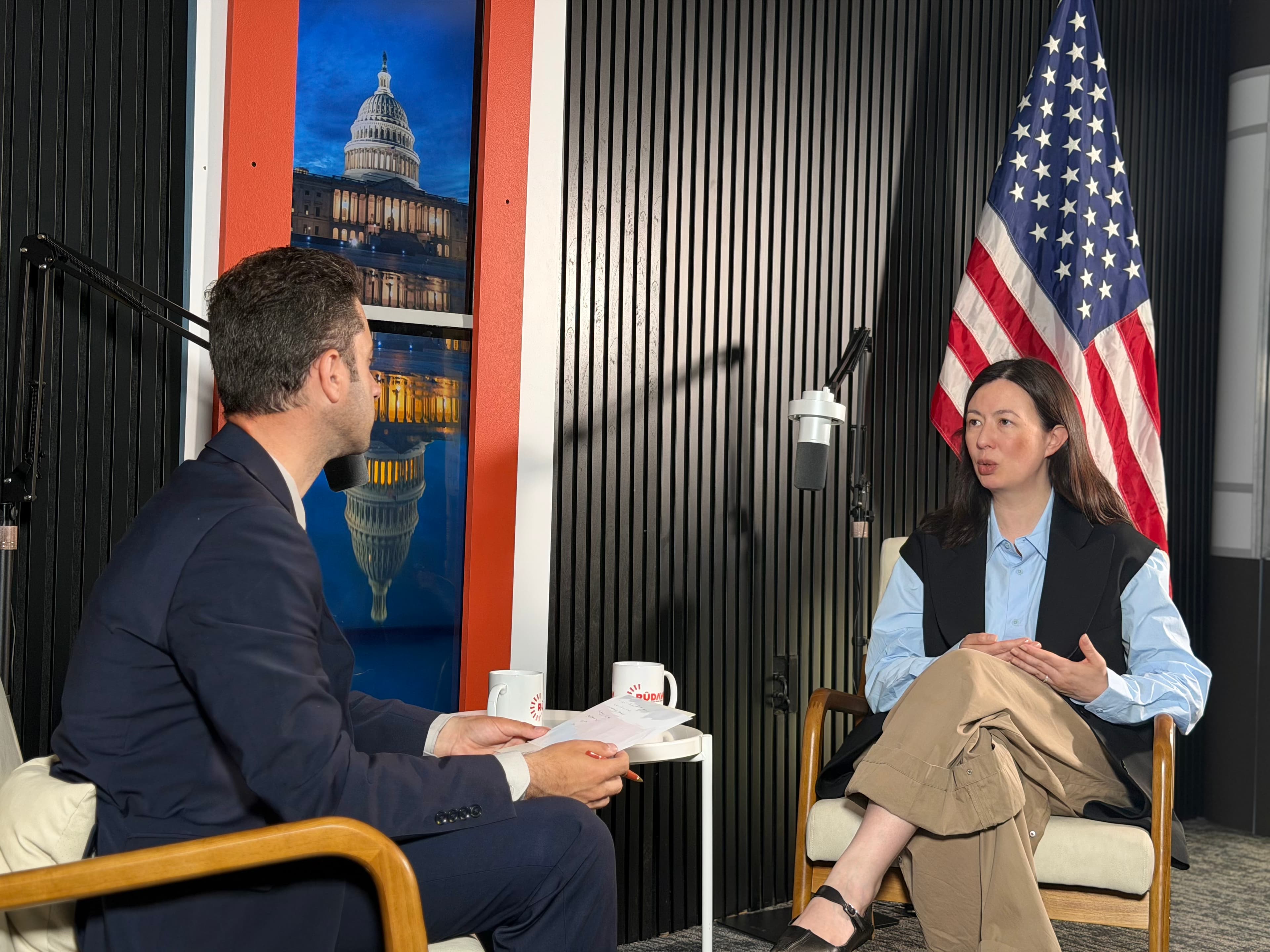
Atwani met with Kurdistan Region President Nechirvan Barzani, the Prime Minister Masrour Barzani and the interior minister. In an interview with Rudaw on June 18, he said he had initiated a joint news conference with the governor of Erbil to open the door to Kurdish businesses.
This comes as Baghdad seeks to diversify investments and develop non-oil revenue, amid concerns that Iraq’s reliance on oil for 90 percent of the country's revenue poses "a danger" for its future.
Atwani argued that improved security had changed the calculus for investors, including foreign firms. "Capital looks for reassurance and security. Where security is absent, you find no investment," he said, adding that whoever invests early "will be the pioneer." He extended the offer across sectors, among them the public health sector, emphasizing that the private sector was an essential partner that public budgets alone could not replace.
When asked about Erbil’s appeal, Atwani singled out the city's ring roads, which he said kept traffic moving even at peak times in a way that set Erbil apart from other provinces, Baghdad included. He credited the city's adherence to its original master plan and praised its parks and the much-discussed green belt as a model for improving the environment and quality of life.
The governor expressed the desire to bring those lessons home through a conference, directed by Prime Minister Barzani, that would gather all of Iraq's provinces in Erbil before a follow-up in Baghdad to showcase successful projects.
Among the practices he hoped to transfer was Erbil's shift from paper-based administration to electronic and automated systems. Bureaucratic routine, he said, was "very harmful," particularly for investment projects, and paper transactions left citizens exposed to extortion and opened the door to corruption.
He also pointed to the Kurdistan Region's investment law as a successful example that Baghdad could study as federal lawmakers reconsider their own legislation.
Baghdad, Atwani described, is a capital of roughly 10 million people still working through projects stalled since 2014 by financial crises, the war against the Islamic State group and falling oil prices. The city received an allocation of about one trillion dinars (over $764 million), he said, though he warned that narrowing revenues could again halt work.
Atwani expressed optimism about the new government, describing Prime Minister Ali al-Zaidi as an economic and financial figure who could focus on sectors beyond oil.