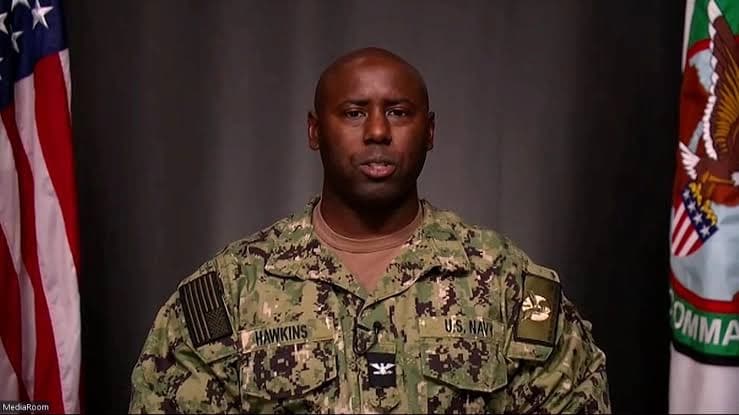
ERBIL, Kurdistan Region - Whereas Iraq can increasingly handle the threat from the Islamic State (ISIS) without US troops, its lack of sophisticated air defenses will leave the Kurdistan Region and other parts of the country vulnerable to Iranian missiles and drones after the US-led coalition completes its withdrawal, former US Ambassador to Iraq Douglas Silliman told Rudaw. “The Iraqi military does not really have good air defense capabilities,” Silliman told Rudaw's Jaafar Mubashirnia on Tuesday, warning that Kurdistan and other parts of Iraq “will remain vulnerable to Iranian ballistic missile or drone attacks” as well as attacks by Iran-backed militias inside Iraq. The US-led coalition is scheduled to complete its withdrawal from Iraq on September 30, ending its military mission against ISIS. Iraqi military spokesperson Sabah al-Numan told Rudaw that coalition forces are already withdrawing from Erbil and that “not a single foreign soldier” will remain anywhere in Iraq after the deadline. Although the withdrawal marks the end of the coalition's current military mission in Iraq, US officials have said Washington will continue supporting Iraqi security forces and the Peshmerga from outside the country. CENTCOM spokesperson Captain Tim Hawkins told Rudaw that the coalition mission will continue from other regional locations and that US forces will remain prepared to respond to emerging threats. Silliman said ISIS poses a limited threat, with Iraqi and Kurdish forces now “much more professional” in countering the group. “There’s a very small possibility of a resurgence of ISIS,” he said, adding that its remaining capabilities can be handled by the counterterrorism services, and the Peshmerga can handle these threats. The more immediate concern, he said, is Iraq’s lack of effective air defenses. “Iraq has not developed a sophisticated air defense capability,” he said, adding that new systems would “not be effective for some time to come.” The concern is particularly relevant for the Kurdistan Region, which has faced Iranian missile and drone attacks in recent years, as well as attacks by Iran-backed Iraqi armed groups. Silliman said the Iraqi government currently lacks the “political influence or the military force” to defend the Kurdistan Region, southern oil fields or neighboring countries from attacks by Iraqi militias. “The departure of American combat forces from Iraq removes from Iran and removes from pro-Iran elements inside Iraq an excuse to maintain their weapons,” he said, cautioning that the withdrawal would not stop the groups from using their missiles and drones, though it “may change the political cost” of doing so. Silliman's remarks come as Baghdad prepares to mark the end of the coalition mission and the restoration of Iraq’s sovereignty on October 1, after the September 30 withdrawal deadline. He also said Washington is expected to continue supporting Iraqi and Kurdish security forces through its embassy in Baghdad and consulate in Erbil, even after American troops leave Iraq. “There will continue to be American support and assistance, just not with troops on the ground,” he said. The United States has said the September 30 withdrawal follows an agreement with Baghdad reached in 2024. A State Department spokesperson told Rudaw earlier this month that Washington remained committed to the timeline for ending coalition military operations in Iraq. For the Kurdistan Region, cooperation between Erbil and Baghdad will be particularly important, he stated, “particularly with Prime Minister Zaidi, to make sure that there is strong political pressure on these groups."