.jpeg&w=3840&q=75)

ERBIL, Kurdistan Region - The head of the United Nations migration agency in Iraq said Saturday that his office is coordinating with Libyan authorities to identify Kurdish and Iraqi migrants reported dead or missing after perilous attempts to cross the Mediterranean Sea.
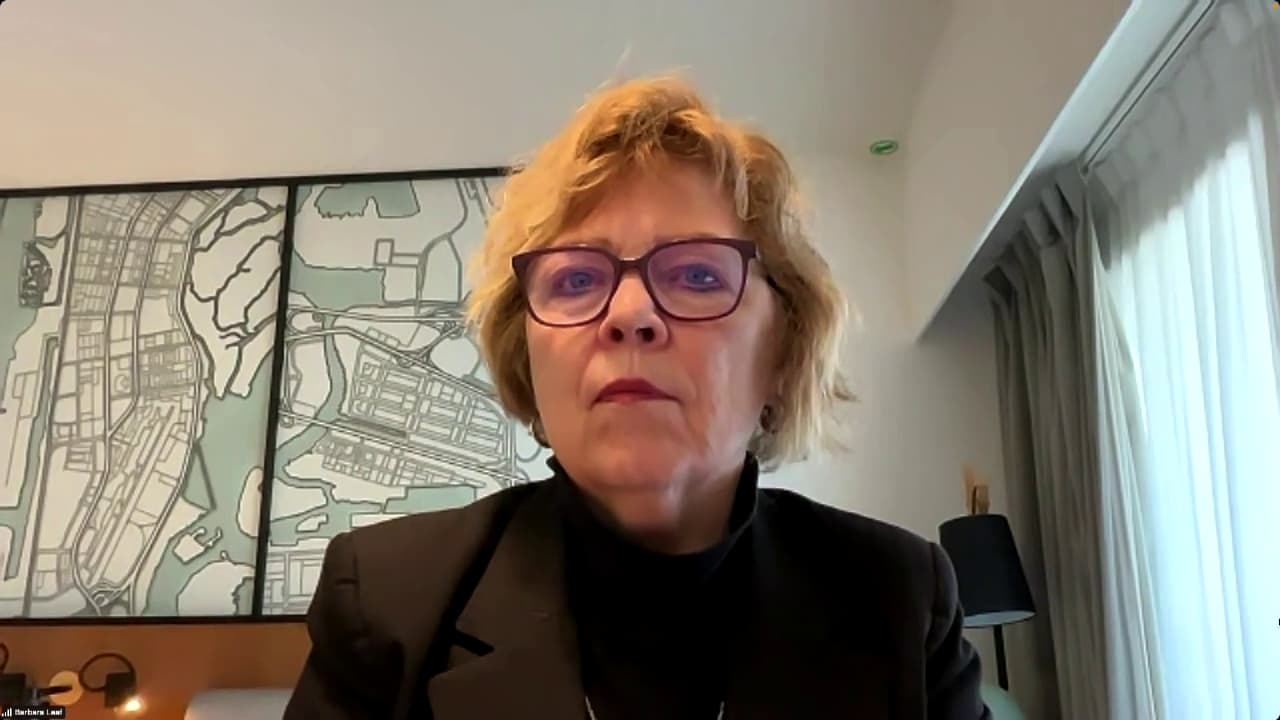
"We are in contact with our colleagues of IOM in Libya... That office is in contact with the Libyan authorities, also with the general prosecutor over there, in order to receive information on who has been found dead in the sea and tentatively also who are the ones who are still missing," Pascal Reyntjens, chief of mission for the International Organization for Migration (IOM) in Iraq told Rudaw’s Nma Nabaz.
"I am aware also that the Iraqi and the Kurdish authorities have also taken action, and basically we are there as IOM to try to make the link amongst all the information received and be ready to support where we can," he added.
The remarks follow recent reports that 10 Kurdish migrants from the Kurdistan Region had drowned while attempting to reach Italy from Libya, though their families rejected the reports last month, stating they received information indicating the youths may still be alive and detained in Libya.
Young people from the Kurdistan Region continue to embark on dangerous journeys to Europe through Libya and across the Mediterranean, primarily driven by unemployment, economic hardship, and the search for better opportunities abroad.
Rudaw previously reported that the 10 individuals were part of a group of 18 people who departed Libya by boat in early August, with the other eight identified by a family representative as Afghan nationals.
Addressing the factors driving illegal migration, Reyntjens stated that "one of the main issues, there's not one factor, but one of the main issues is the feeling that there's an absence of economic opportunities or job opportunities" in the migrants’ home countries.
According to him, for many young people, there is a belief that they will “find more opportunities abroad and amongst other in Europe,” cautioning that these youths are often “surrounded by smugglers and traffickers, who are highlighting these opportunities, even though these opportunities are limited and very dangerous.”
To address the issue of illegal migration from Iraq, including from the Kurdistan Region, Reyntjens highlighted a joint framework established with Kurdish and Iraqi officials, noting that "there's a tool that has been developed together with the Iraqi authorities, as well as the Kurdish authorities, and is being implemented all over the country, which is called the National Referral Mechanism."
He explained that the mechanism allows people “to receive all information needed when it comes to the danger of irregular migration,” adding that it also offers “the opportunity for people to seek what can be their future, mainly in Iraq and Kurdistan, compared to going on dangerous routes and journeys towards Europe.”
Earlier in September, 33 young Kurdish migrants who had been detained in Libya were repatriated to the Kurdistan Region.
According to the Directorate of Migration, Displaced, and Crisis Response in Sulaimani province’s Raparin administration, more than 500 migrants have been repatriated from Libya to the Kurdistan Region since 2015, with the vast majority originating from Raparin.
Beyond migration, Reyntjens noted that internal displacement remains significant across Iraq, where IOM recorded 997,334 internally displaced persons as of late 2025, including 97,000 individuals living across 18 camps in the Kurdistan Region by the end of June 2026.
Between 2018 and 2025, the agency assisted more than 18,000 Iraqis and Kurds returning from Europe, alongside another 18,000 assisted in returning from Syria to rebuild their lives.