کوردیKURDÎENGLISHTÜRKÇEعربي
Rudaw Logo
Live
Kurdistan
Middle East
OpinionsAnalysisWorldECONOMYInterviewCultureMultimedia
Live
Rudaw

Download the Rudaw app

App StoreGoogle Play
Privacy Policy•Terms of Use

© 2026 All rights reserved.

Rudaw

Download the Rudaw app

App StoreGoogle Play
Privacy PolicyTerms of Use

© 2026 All rights reserved.

Matlab Kheybari, a Kurdish resident from Baneh in Iran's Kurdistan province. Photo: Kurdpa

Matlab Kheybari, a Kurdish resident from Baneh in Iran's Kurdistan province. Photo: Kurdpa

Iran

Kurdish man killed by Iranian border guards: Rights agency

RUDAW English

RUDAW English

11-06-2026
Listen
0:00
0:00
Text Size
RUDAW English
RUDAW English11-06-2026

Related Articles

Seven Kurds detained after deadly bus crash sparks protests in western Iran: Rights monitors
Iran18-11-2026

Seven Kurds detained after deadly bus crash sparks protests in western Iran: Rights monitors

Iranian border guard killed, another dies in car crash in Rojhelat
Iran18-11-2026

Iranian border guard killed, another dies in car crash in Rojhelat

Kurdish family in Iran appeals for help to free son held hostage in Africa by al-Qaeda off-shoot
Iran18-11-2026

Kurdish family in Iran appeals for help to free son held hostage in Africa by al-Qaeda off-shoot

ERBIL, Kurdistan Region – A Kurdish man was killed early Thursday after being struck by direct gunfire from government border forces in Baneh, Iran's Kurdistan province, according to the Kurdistan Press Agency (Kurdpa).

The incident took place in the early hours of Thursday, when a Kurdish citizen, identified as Matlab Kheybari, father of two, was killed after being shot by government border forces in the Choman area of Baneh, Kurdpa reported, citing a local informed source.

It also added that the Iranian forces “opened direct fire on this citizen’s head without any prior warning” at the border area.

The source stressed that Kheybari was not involved in smuggling activity at the time, stating that he “was not carrying any smuggled goods” when he was targeted.

Kurdish porters, known as kolbars, frequently cross difficult mountain terrain to transport goods between the Kurdistan Region and Iranian Kurdistan (Rojhelat). 

The work is widely described as dangerous and economically driven, with many families relying on it due to limited job opportunities and rising living costs.

Kolbars typically carry food items, clothing, and cosmetics, and according to Haji Omaran border crossing figures, between 1,000 and 1,500 kolbars cross daily, transporting around 60 tons of goods from the Kurdistan Region to Iran. Many workers hold official kolbar cards permitting movement, though they remain vulnerable to accidents, harsh weather conditions, and sporadic clashes or shootings along the border.

Rights groups and local reports have repeatedly raised concerns over the risks faced by border porters, who often come from impoverished Kurdish border communities where alternative employment is scarce.
Related Articles

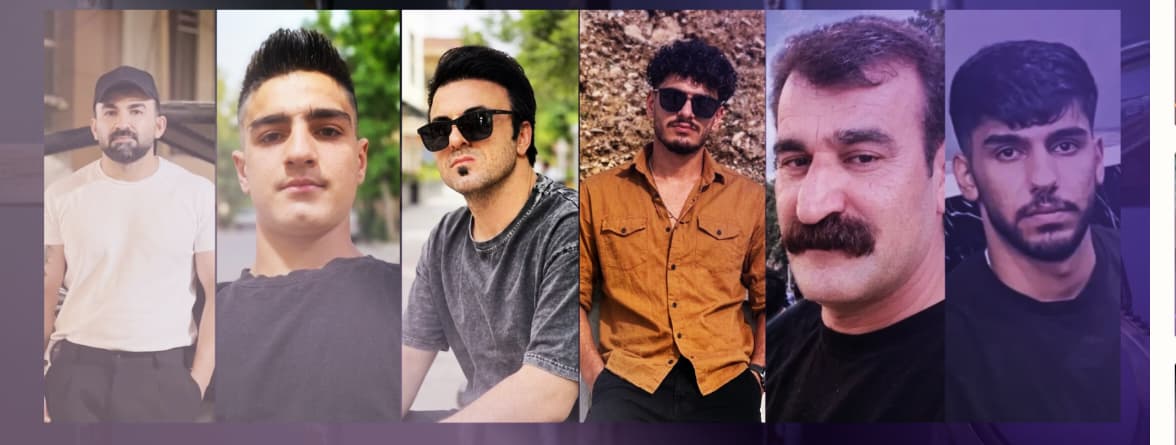
Seven Kurds detained after deadly bus crash sparks protests in western Iran: Rights monitors
Iran18-11-2026

Seven Kurds detained after deadly bus crash sparks protests in western Iran: Rights monitors

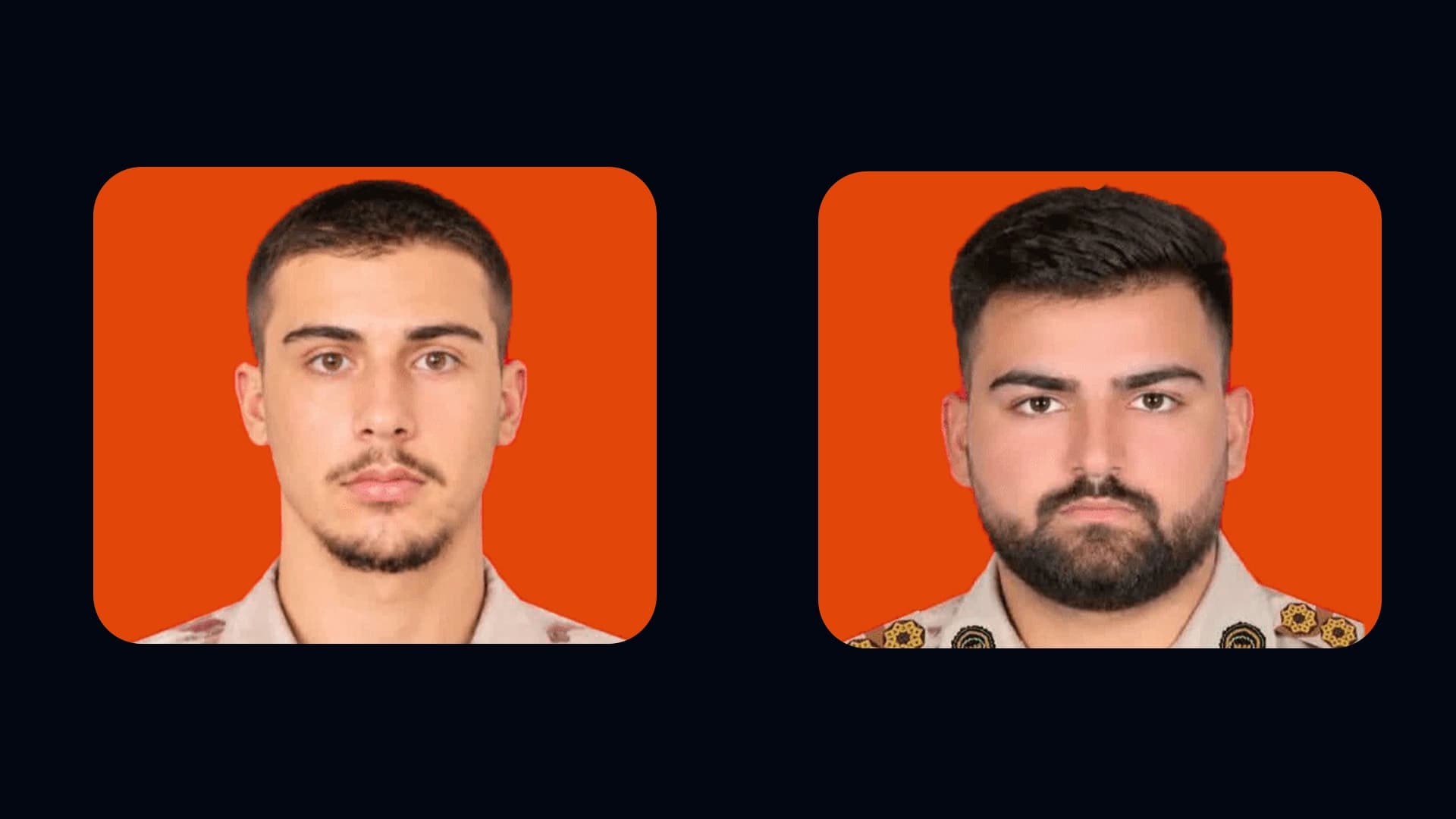
Iranian border guard killed, another dies in car crash in Rojhelat
Iran18-11-2026

Iranian border guard killed, another dies in car crash in Rojhelat

Kurdish family in Iran appeals for help to free son held hostage in Africa by al-Qaeda off-shoot
Iran18-11-2026

Kurdish family in Iran appeals for help to free son held hostage in Africa by al-Qaeda off-shoot

Questions