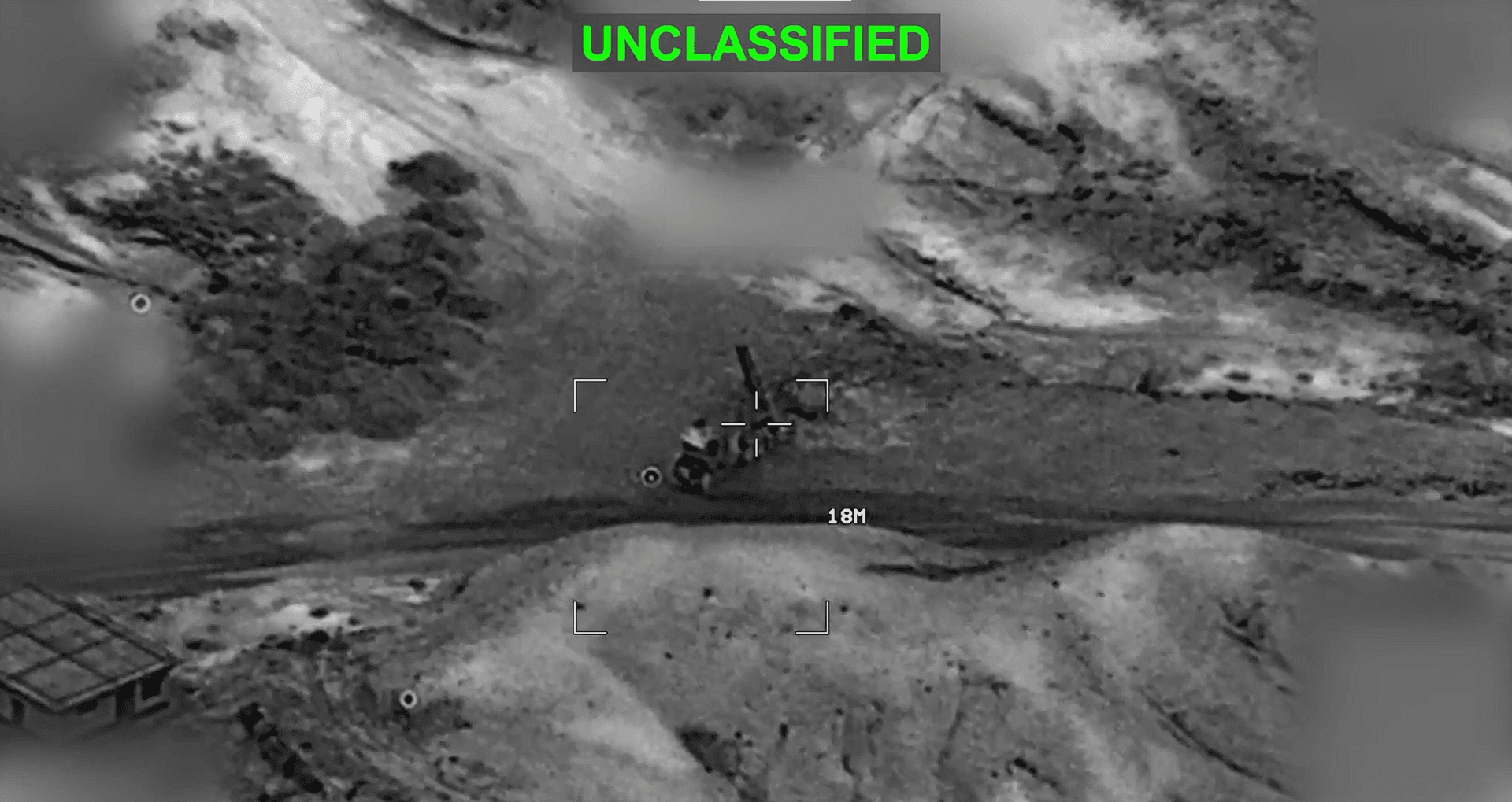
ERBIL, Kurdistan Region - The US Central Command (CENTCOM) said on Sunday that it hit approximately 140 military targets "with precision munition" following Tehran's attack on a commercial ship in the Strait of Hormuz.
CENTCOM said it used fighter jets, drones, and naval vessels in the latest strikes, which the Command described as the third round of strikes against Iran in a week.
"Targets included Iranian missile and drone sites, naval capabilities, ammunition storage facilities, communication networks, and coastal surveillance locations," CENTCOM, which oversees the US forces in the Middle East, said in a statement.
The latest round came hours after Iran's Islamic Revolution Guards Corps (IRGC) attacked a Cyprus-flagged container ship transiting the Strait of Hormuz, according to CENTCOM. The IRGC took responsibility for the attack, saying the vessel "had endangered maritime security by shutting off its systems," adding that it was struck by "warning fire and brought to a stop."
The IRGC also announced the closure of the waterway until further notice, citing "insecurity caused by this illegal foreign interference."
Pete Hegseth, US Secretary of War, reposted the CENTCOM statement on X with the comment: "Iran made a poor choice. Now they pay."
CENTCOM also said that during its three rounds of attacks since last week it had struck over 300 targets "at the direction of the Commander in Chief to degrade Iran's ability to attack civilian mariners and commercial vessels freely transiting the strait. Commercial vessel transits through the vital international maritime corridor continue."
The IRGC said it had struck several targets in the region, including Qatar, Bahrain, and Oman. It also said that it struck the US-operated Prince Hassan Air Base in Jordan with ballistic missiles, destroying a command-and-control centre and hangars housing MQ-9 drones.
The Guards warned that this was an initial attack and further attacks would trigger a harsher response.
The US and Israel launched a large-scale military campaign against Iran on February 28, targeting nuclear facilities, military sites, and senior commanders. In response, Iran carried out thousands of drone and missile strikes across the Middle East, targeting alleged US assets and launching retaliatory attacks against Israel.
The fighting lasted six weeks before a ceasefire took effect on April 8, which was followed by a 60-day memorandum of understanding signed on June 17, under which Washington and Tehran agreed to hold talks on Iran's nuclear program and regional security.
However, the US President Donald Trump said last week that the ceasefire with Iran is over.