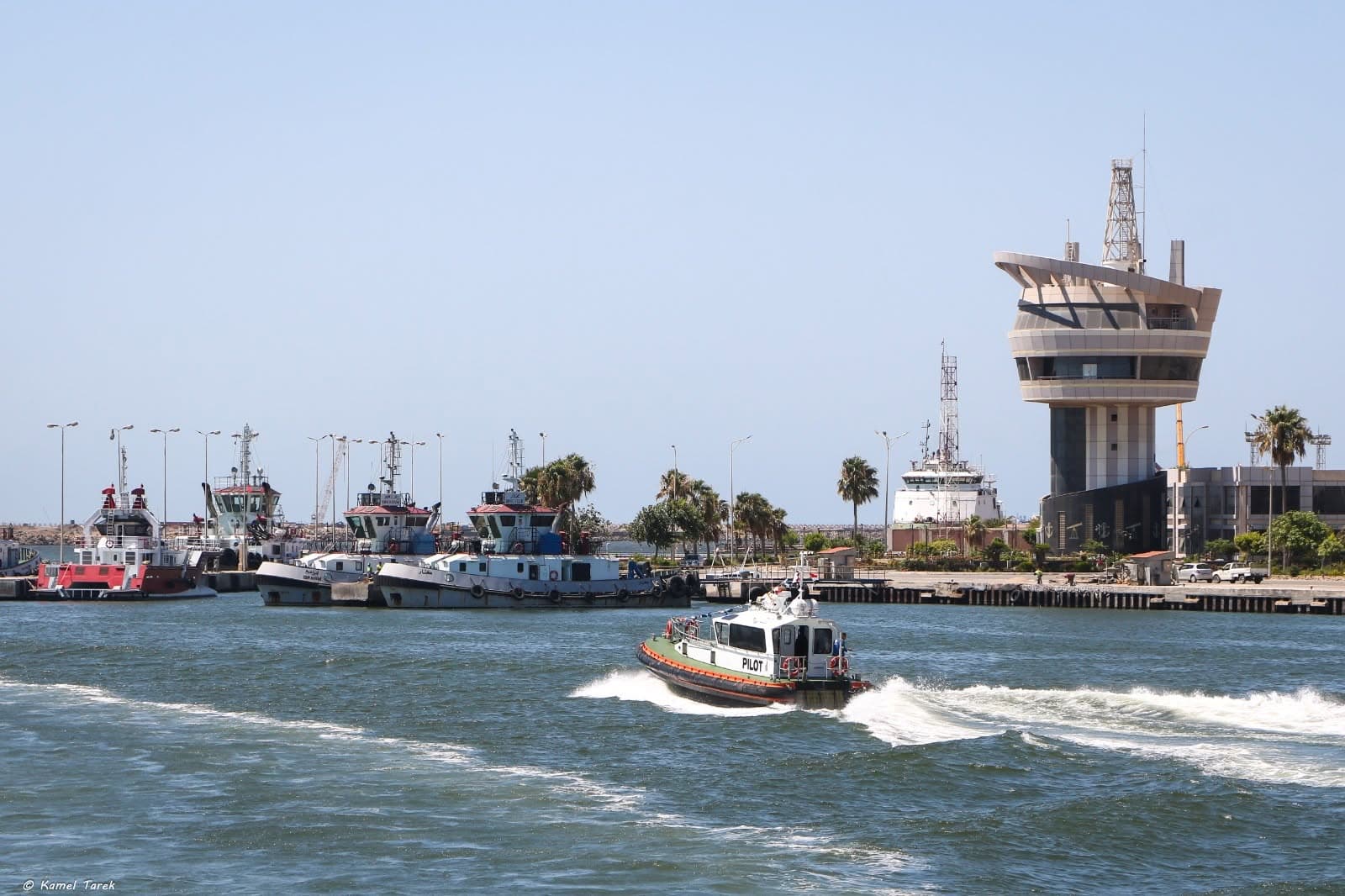
ERBIL, Kurdistan Region - Iran has urged vigilance against what it claimed were Israeli "false-flag operations" aimed at sowing discord among regional countries, while at the same time highlighting Egypt as a key regional "partner." The remarks followed confirmation by Cairo that a drone attack had targeted two vessels off a port city in northern Egypt.
"Egypt is an important friend and partner in the region, and its security is of utmost importance to us," Iranian Foreign Minister Abbas Araghchi said in a post on X late Thursday.
Tehran's chief diplomat added, "We must all be vigilant against Israeli plots and false-flag operations designed to undermine regional peace."
"The threat is clear, mutual, and fearful of Muslim solidarity," Araghchi said.
The Iranian official’s remarks came shortly after Egypt confirmed Thursday that a fire that blazed through two vessels off its Mediterranean port city of Damietta "was caused by a drone."
The Cairo government said in a statement that the investigations are ongoing to "determine the circumstances surrounding the incident and to take the necessary measures to safeguard Egypt's interests and national security," especially as "no party has yet claimed responsibility for the incident."
In the aftermath of the drone incident, Egyptian President Abdel Fattah al-Sisi was quoted by his spokesman as telling Spanish Prime Minister Pedro Sanchez, in a phone call, that the Middle East conflict "was facing a serious escalation," stressing the need for "the international community to work together to halt this escalation."
For his part, Arab League Secretary-General Nabil Fahmy on Thursday "expressed his strongest condemnation of the attack targeting two ships in the port of Damietta," calling it "an unacceptable aggression" and warning of "the consequences of what some parties may commit in desperate, cowardly attempts to expand the scope of the ongoing regional conflict."
In his statement, Fahmy added that "attacks against Arab states are rejected across the board."
A day earlier, the Arab League chief on Wednesday had deplored the "repeated targeting of oil facilities" in Saudi Arabia's Eastern Province, as well as "the drone attacks on the Hashemite Kingdom of Jordan," calling it "a dangerous escalation that threatens the security and stability of the region and undermines efforts aimed at establishing security and stability."
The US and Israel launched a large-scale aerial campaign against Iran in late February, striking thousands of targets across the country over six weeks of hostilities.
In response, Tehran carried out thousands of drone and missile strikes across the Middle East - particularly in Gulf Arab states - targeting alleged US assets in the region, while also launching retaliatory attacks against Israel.
Iran's response also involved armed groups aligned with the Tehran-led ‘Axis of Resistance,’ with several factions claiming responsibility for attacks across the region.
Iran and the US agreed to a Pakistan-mediated ceasefire on April 8, halting hostilities to create space for diplomatic negotiations, and in mid-June signed the Islamabad Memorandum of Understanding, which established a ceasefire on all fronts and reopened the Strait of Hormuz to commercial shipping.
However, despite the agreement, the two sides have since July 8 been engaged in a new round of on-and-off escalation, with the US carrying out nearly a dozen waves of strikes against Iran and Tehran launching drone and missile attacks against alleged American targets in the region, chiefly in Bahrain, Jordan, and Kuwait.
.jpg&w=3840&q=75)