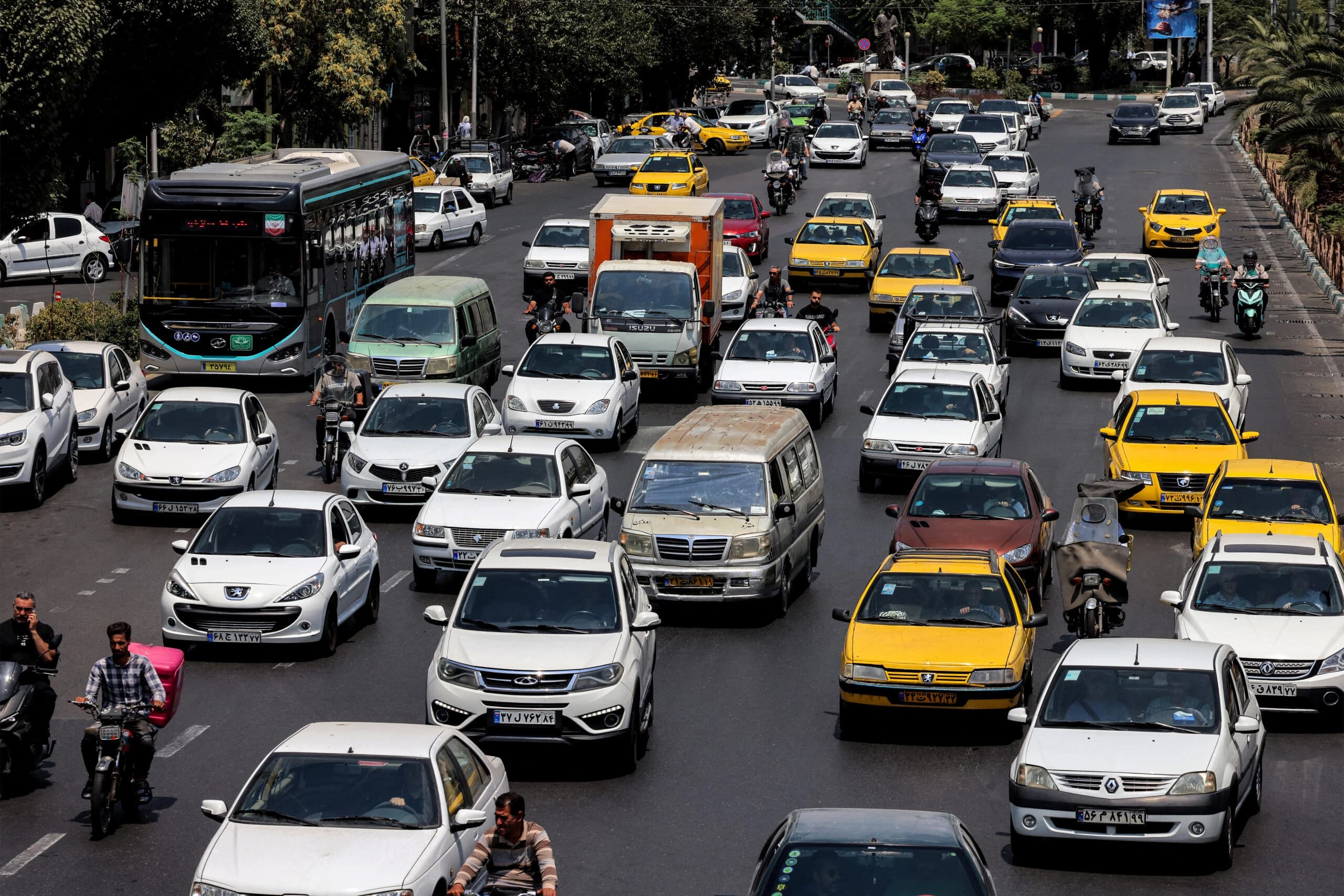

ERBIL, Kurdistan Region - Iran faces severe gasoline shortages as domestic production falls short of daily and monthly demand, with the country's top police official warning of a so-called enemy plot to stir “riots” over the gasoline shortages and other issues.
The gasoline shortage “has now confronted us with a difficult situation,” Mohsen Haji-Mirzaei, chief of staff at the Iranian presidency, was cited by Iranian news outlet Entekhab as saying.
“The gap between the supply price in Iran and the regional price is very wide, and the domestic production of gasoline is also less than our daily and monthly requirements," he added.
Haji-Mirzaei warned that navigating the crisis is “difficult and requires policymaking. Any form of policymaking requires a secure, stable, and calm environment; however, due to the 'neither war nor peace' conditions, adopting such policies becomes more complex and involves taking numerous considerations into account.”
Meanwhile, Commander Ahmad Reza Radan, the country’s chief of police, warned on Monday about a plot to cause unrest in the country.
“The third war is not over yet, and the enemy has not given up on us. We must remain fully prepared and not lose sight of the enemy,” Radan said, referring to the six-week war. “The enemy is trying to create unrest in the country, and there are many potential pretexts, including livelihood issues, petrol, the economy and unemployment.”
Iran’s energy infrastructure suffered significant damage during its war with the US that began in late February, when the US and Israel carried out major airstrikes against Iranian oil and energy facilities.
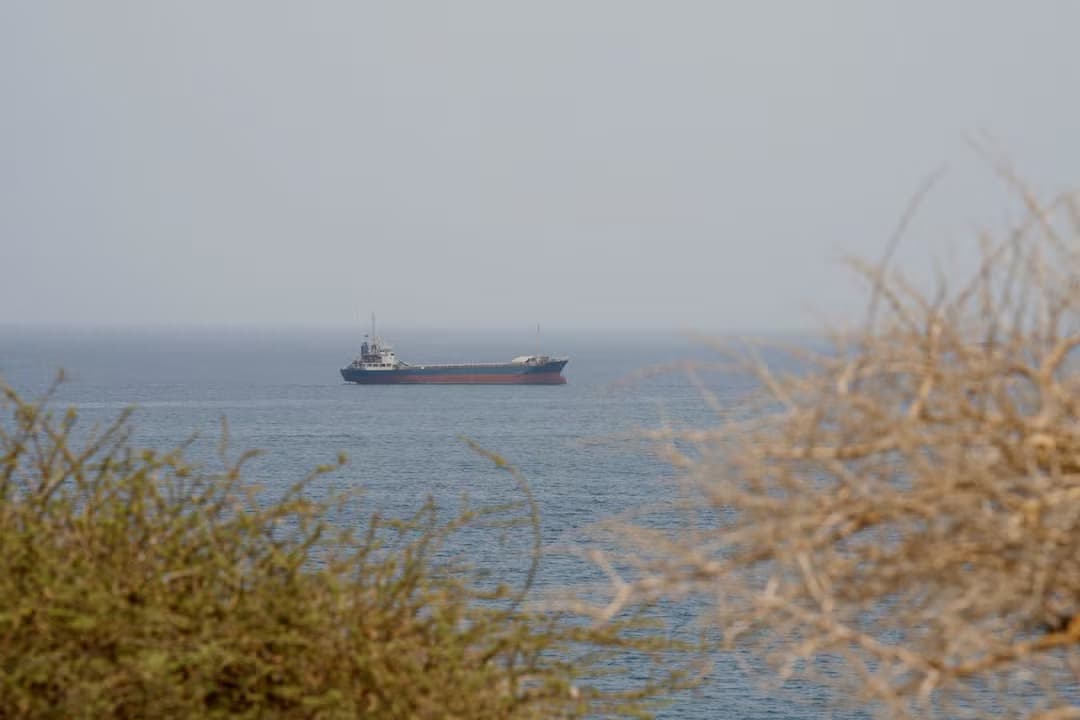
The US resumed its naval blockade of Iran in mid-July. The blockade targets vessels entering or leaving Iranian ports while allowing commercial navigation through the Strait of Hormuz for vessels bound for non-Iranian destinations. “As of Aug. 23, U.S. forces have redirected 70 commercial vessels, disabled 3 and boarded 2 to ensure compliance,” CENTCOM said Sunday.
Iran has repeatedly condemned the blockade as illegal and accused Washington of undermining diplomatic efforts. Tehran has also warned that continued military pressure could jeopardize negotiations over a longer-term truce.
At a cabinet meeting on Sunday, Iranian President Masoud Pezeshkian said the government would “strive to increase production, and at the same time, we will distribute [fuel] in accordance with the level of production.”
“The dear people, like in the past, will cooperate with a correct understanding of the situation, but the principle of austerity must start with us in the government and state institutions," he said. "Plan for how government vehicles and the consumption of state agencies can be reduced and how to lower the frequency of vehicle traffic."
The gasoline shortage comes as Washington intensifies economic pressure on Tehran. US Treasury Secretary Scott Bessent said on Thursday that Washington would impose “the toughest sanctions in history” on Iran.
Bessent wrote on X on Monday that the United States was entering what he called “the endgame” and that Washington’s objective was to “sever every economic lifeline that sustains the tyrannical regime until Tehran stands alone.”
"At dawn begins an economic D-Day – the single greatest financial offensive ever marshaled against an adversary," he wrote.