
ERBIL, Kurdistan Region - Iranian Authorities administered the floggings of two female activists from the Kurdish region of Iran (Rojhelat) before transferring them to the central prison of Sanandaj, a human rights group reported on Tuesday.
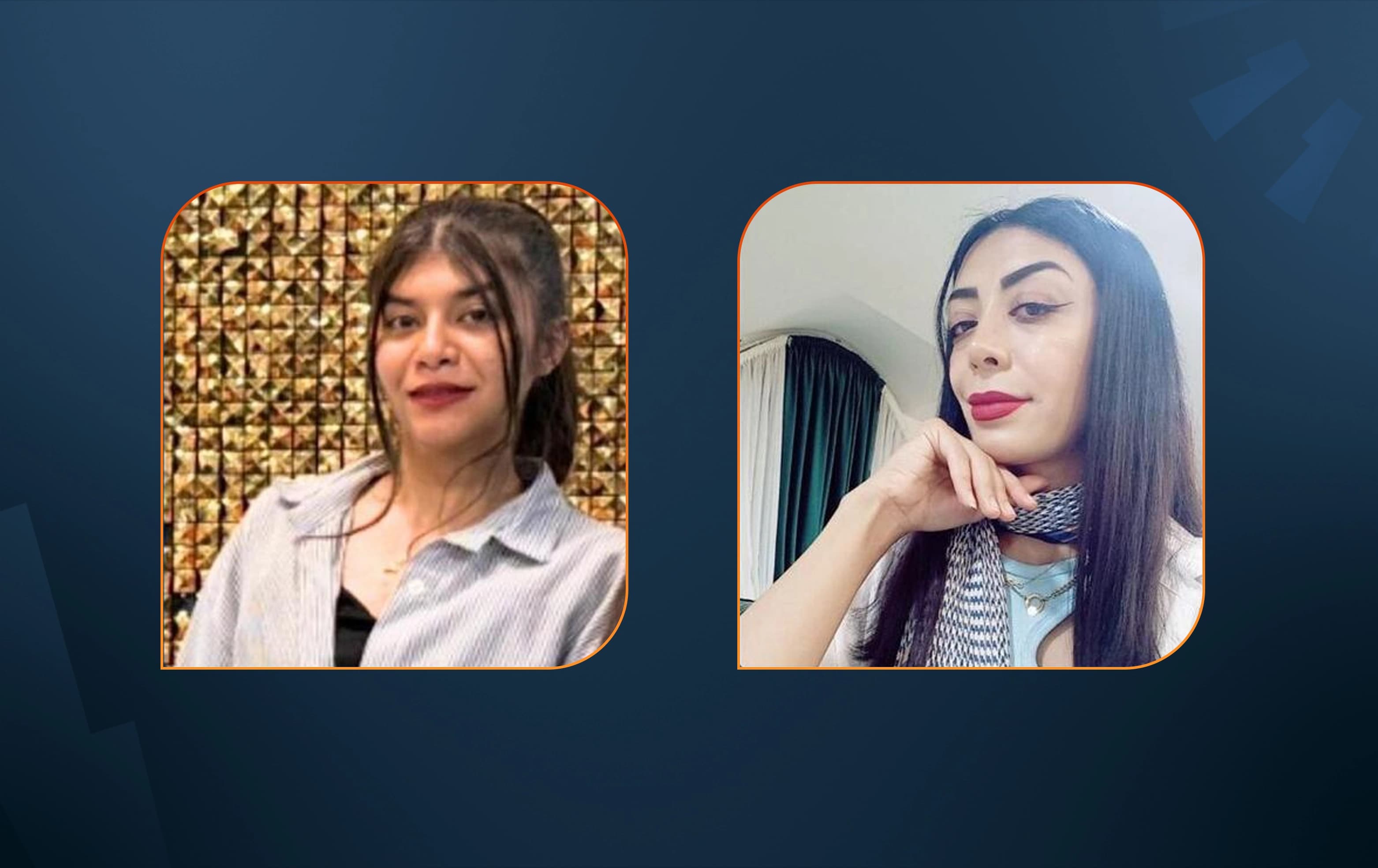
During the nationwide protests of January 2026 in which Iranian authorities cracked down on thousands of protestors, dissidents and activists, Neda Dadejani and Setayesh (Behnoush) Sarabi, both from Qorveh in the Kurdistan province, were detained and later released on bail.
Qorveh Criminal Court charged them with “disrupting public order and tranquility,” for taking part in the January anti-government protests and sentenced each woman to one year in prison, 31 lashes and two years of exile to Nikshahr County in Iran’s southern Sistan and Baluchestan Province, more than 1800 kilometers away.
Both women on Saturday were summoned to the Qorveh court, where they each received 31 lashes each, and were subsequently transferred to the women's ward of Sanandaj Central Prison to serve their sentences, according to the rights group.
The Revolutionary Court also sentenced each to two years in prison on the charge of “assembly and collusion to commit a crime against internal security.”
Dadejani is an artist, puppeteer, costume designer and theater make up artist, as well as a recipient of an award for puppetry and puppet design at the eighth regional theater festival for persons with disabilities, according to information obtained by Hengaw.
In recent months, Iranian authorities have carried out sweeping arrests and arbitrary detentions which have seen an uptick since the launch of the US and Israel’s aerial campaign against Iran on February 28.
In June, Iranian authorities arrested the Iranian singer, Parastoo Ahmadi, and eight members of a production team,to 74 lashes for performing in a concert livestreamed on Ahmadi’s YouTube channel in 2024.
The criminal court of Qom province sentenced the artists to flogging, a two-year ban on leaving the country and a two-year ban on engaging in artistic activities on charges that include offending public decency through the production and publication of “vulgar and immoral content” online, according to court documents.
Amnesty International records more than 100 “offenses” punishable by flogging under Iranian law covering a wide range of acts, ranging from theft, singing in public, assault, vandalism, defamation and notes young people under the age of 35 arrested for activities such as publicly eating during Ramadan, having relationships outside of marriage and attending mixed-gender parties, comprising the majority of those flogged.