
ERBIL, Kurdistan Region - The United States did not convey any threatening message to Iran through Pakistan’s Army Chief Field Marshal Asim Munir, a key backchannel figure in the ongoing war-end talks between Washington and Tehran, semi-official Iranian media reported Tuesday, adding that the primary purpose of Munir's Monday visit to Tehran was to restart stalled negotiations and relay Iran's conditions to Washington.
Tasnim News Agency, an outlet affiliated with Iran's Islamic Revolutionary Guard Corps (IRGC), cited a “source close to the Iranian negotiating team” as saying that Munir “was not carrying a threatening message or any such message from the United States,” and was instead “seeking to open up space for negotiations and to convey Iran's conditions and positions to the American side.”
The source added that during Munir's day-long visit to Tehran, “Iran's positions were clearly communicated to the Pakistani side," including Tehran's “conditions regarding the Strait of Hormuz,” Tasnim said.
Tehran reportedly demanded that Washington return to the Islamabad Memorandum of Understanding signed between the two sides in mid-June and implement its provisions, including Article 5, which pertains to Iranian arrangements for “the safe passage of commercial vessels” via Hormuz.
The Pakistani intermediary is now “set to convey those conditions to Washington,” the outlet concluded.
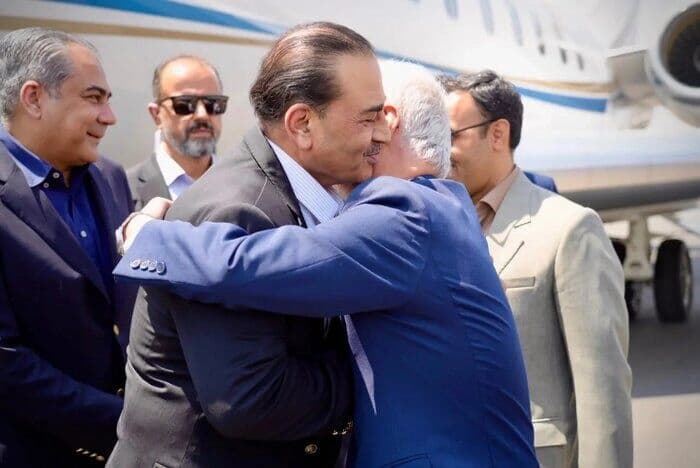
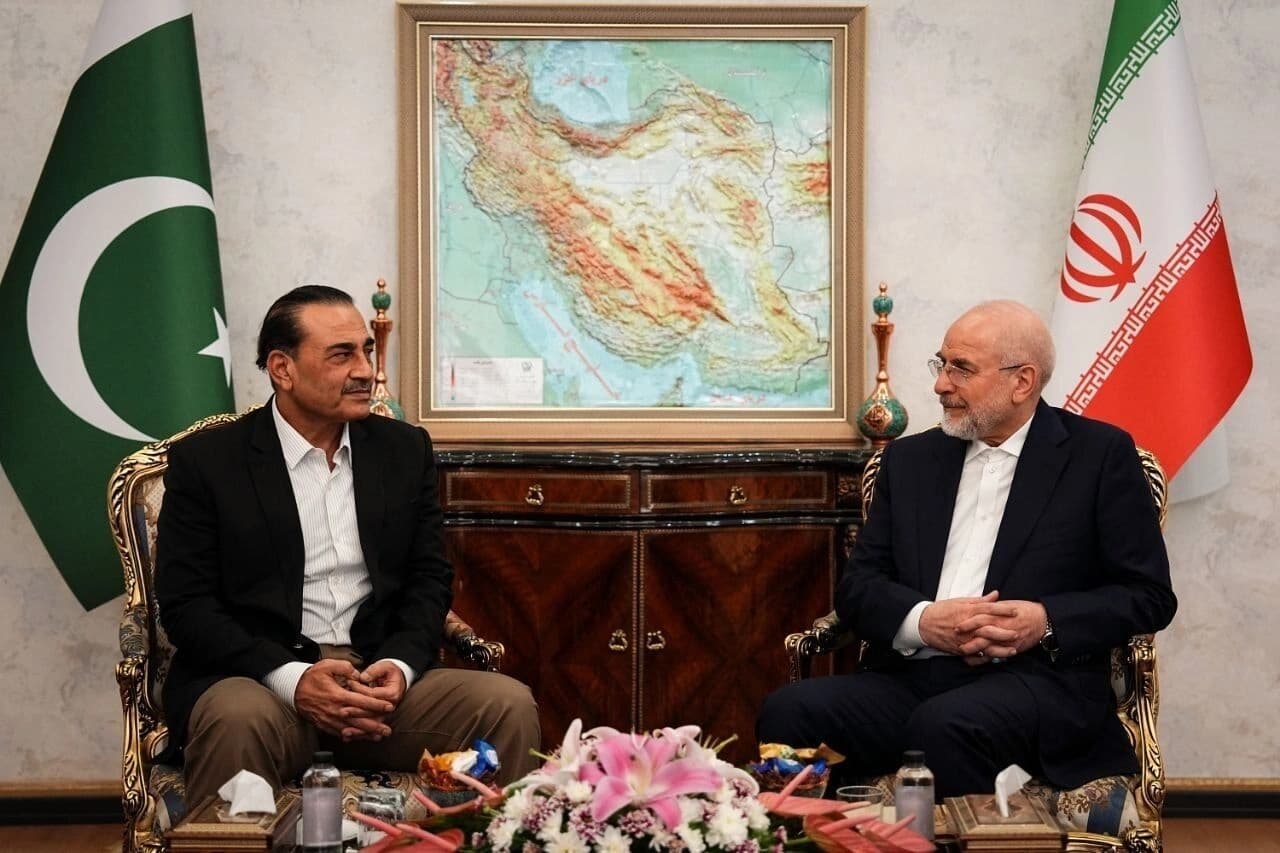
Munir traveled to the Iranian capital on Monday, where he met with President Masoud Pezeshkian, Parliament Speaker and chief negotiator in the war-end talks with Washington, Mohammad Bagher Ghalibaf, and Mohsen Rezaei, secretary of Iran's Supreme National Security Council (SNSC).
The Pakistani army chief’s visit to Tehran is the first since the signing and subsequent unraveling of the Islamabad MoU.
The US and Israel launched a joint aerial campaign in late February, striking thousands of targets across Iran over six weeks.
Tehran responded with thousands of drone and missile strikes across the Middle East, targeting alleged US assets - particularly in Gulf Arab states - while also launching retaliatory strikes against Israel.
The two sides reached a preliminary ceasefire in early April, brokered by Pakistan, followed by the Islamabad Memorandum of Understanding in mid-June. The MoU established a truce on all fronts and set a 60-day window for negotiating a final agreement, extendable only by mutual consent.
Since the MoU, Iran and the US have traded several rounds of strikes and counterstrikes, the latest of which escalated on July 8 before subsiding in late July. A mild de-escalation has since taken hold, though a US naval blockade on Iranian ports remains in effect as Iran continues to claim sovereignty over the Strait of Hormuz, disrupting commercial shipping and forcing vessels to seek authorization for passage.
Munir's visit also coincides with the expiry of the MoU's 60-day negotiating window, which lapsed early last week - the same day Washington enacted a sweeping sanctions package dubbed Operation Economic Outcast, designed to aggressively curtail Iran's military capabilities and primary revenue streams.
US Secretary of War Pete Hegseth as well signalled potential military escalation as well, telling reported on Monday, “If we need to use kinetic strikes, we’ll use them. If Iran is foolish enough to overplay their hand or mess with the American military, we’ll do what we need to do… but economic pressure, we know, hurts them the most right now.”
Despite the complications, Mahdi Tabatabai, a spokesman for the Iranian presidency, said in a post on X that the visit "was highly fruitful and yielded very valuable diplomatic achievements, the results of which will become apparent soon."