ERBIL, Kurdistan Region - Iran is preparing to train and organize several hundred thousand loyalists into rapidly deployable “national resistance” battalions, as the Islamic Republic braces for the possibility of renewed internal unrest while facing mounting military and economic pressure, state media reported on Sunday.
Mehr news agency reported that authorities are beginning the training and organization of 1,000 “Jan-Fada” national resistance battalions, a structure that appears designed to create a large pool of loyalist forces that can be mobilized at short notice. Each battalion could include between 300 and 1,000 individuals.
The move comes as Tehran has increasingly focused on internal security since the outbreak of war on February 28. Pro-government supporters have repeatedly been mobilized in public squares and other prominent locations across the country, occupying spaces that might otherwise provide focal points for anti-government demonstrations.
Tens of thousands of people have been arrested since anti-government protests broke out across the country in January, with further arrests carried out following the 40-day war that began in late February.
Iranian authorities have repeatedly accused protesters and detainees of colluding with Israel and the US and have executed dozens of people since January.
Nighttime gatherings by government loyalists also serve a practical security purpose, placing regime supporters and organized forces in public spaces to deter potential protests.
The authorities are now moving to further fortify their defenses by organizing more regime loyalists who could be deployed to the streets at short notice.
The model closely resembles the Basij, the Islamic Revolutionary Guard Corps (IRGC)-controlled paramilitary force that has long been used to crack down on protesters. Iranian authorities deployed the Basij, IRGC units, police and plainclothes security forces during nationwide protests in January 2026.
Since the February war began, the government has also fortified border regions and stepped up checkpoints, arrests and patrols amid fears that deepening economic hardship could again spill into the streets. Reuters reported earlier this year that the IRGC and Basij were expanding patrols and organizing pro-government rallies in an effort to prevent protests from gaining momentum.
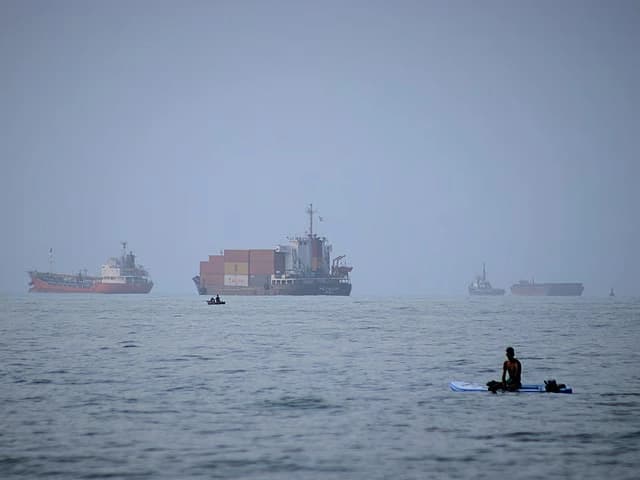
Those fears have intensified as Iran’s economy deteriorates under the combined weight of years of mismanagement, sanctions, the US-led naval blockade and continuing military confrontation. The rial has suffered sharp losses, imports have been disrupted and prices have soared, increasing the risk of another wave of economically driven unrest.
Iran has relied on such loyalist forces throughout the Islamic Republic’s history. The Basij was established after the 1979 revolution and has repeatedly been deployed alongside security forces during periods of unrest.
During the 2022 Woman, Life, Freedom uprising, authorities deployed the IRGC, Basij, riot police and plainclothes agents against demonstrators, including through the use of lethal force, according to Amnesty International.
The same security apparatus was mobilized on a much larger scale in January 2026, when protests triggered by Iran’s collapsing currency developed into widespread demands for an end to clerical rule.
The creation of 1,000 new resistance battalions therefore suggests Tehran is seeking to institutionalize an additional layer of loyalist manpower - forces that could be mobilized rapidly to fill streets, protect government buildings and confront protesters should another uprising erupt.