
ERBIL, Kurdistan Region - Iranian authorities said late Monday that a US drone strike targeted two fishing boats in the waters of Hormozgan province, leaving a number of fishermen missing, as US President Donald Trump signaled a conciliatory message about further negotiations.
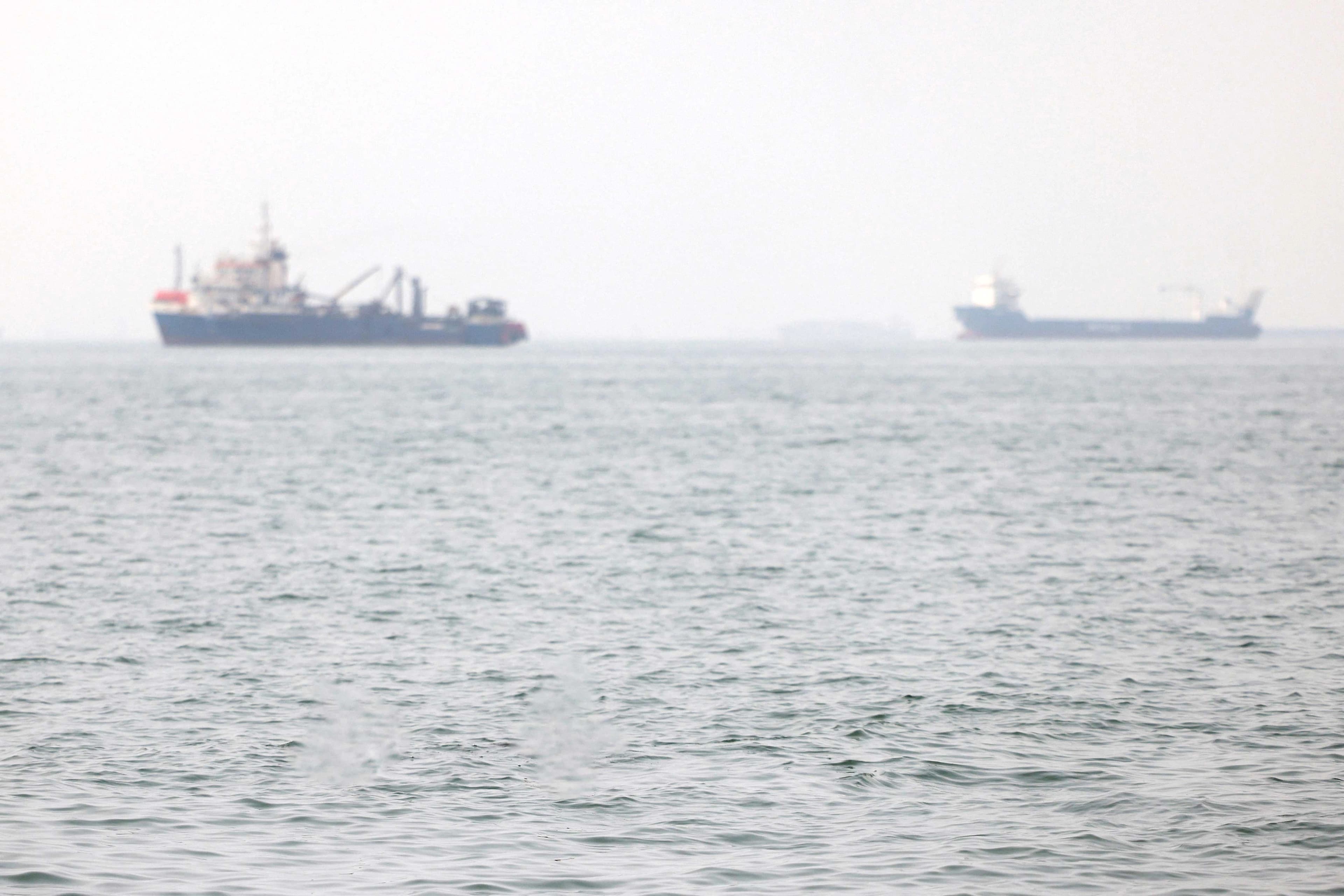
The IRGC-affiliated Tasnim news agency, citing deputy governor of Hormozgan province, reported that the boats were targeted Monday evening near the port of Kargan in the Persian Gulf.
“Following this attack, a number of fishermen aboard these two boats went missing, and search and rescue operations have been launched to locate them,” Tasnim cited the official as saying. The official blamed “criminal American enemy” for the strikes.
President Trump on Monday, while calling Iran a failing nation, said that he was open to further negotiation with Tehran.
"The failing Nation of Iran wants to make a deal, quickly and badly. I will determine whether or not the U.S.A. will choose to engage — The concept of which we are open to,” Trump posted on his SocialTruth.
The secretary of Iran’s Supreme National Security Council Mohsen Rezaei rejected any negotiation until Iran's demands are met by Washington.
The US Central Command (CENTCOM) on Monday rejected an earlier Iranian account concerning the Panama-flagged oil tanker El Gaia, saying the vessel had been struck by Iranian weapons rather than a naval mine.
“CLAIM: Iran's Islamic Revolutionary Guard Corps (IRGC) claims a Panama-flagged oil tanker recently struck a naval mine in the Strait of Hormuz. This is FALSE,” CENTCOM said Monday.
According to CENTCOM, El Gaia was struck by an Iranian missile last month and rendered inoperable before being hit again by an Iranian drone over the weekend while it was off the coast of Oman. The tanker is now being towed by a regional partner, it said.
“The IRGC's false claim is yet another example of their lies and intimidation attempts while they try to impede commercial vessels in the strait,” CENTCOM said.
Despite the intensifying military confrontation, commercial maritime traffic has continued through the wider Gulf region.
TankerTrackers - an independent online service that tracks crude oil and petroleum-product shipments by sea - said on Tuesday its satellite imagery analysis showed continued two-way movement of very large crude carriers (VLCCs) through the Strait of Hormuz during daylight hours.
The latest developments came as a planned summit in Oman between Iran and six Arab states on the maritime arrangements at the Strait of Hormuz was postponed as Muscat and Tehran sought broader regional consensus.
Oman has played a key mediating role between Iran and the United States since the conflict erupted on February 28, when US and Israeli forces launched a military campaign against Iran. Despite a ceasefire brokered in April and extended through an Islamabad memorandum of understanding in June, the two sides have continued to experience repeated escalations.
The Strait of Hormuz, through which a major share of Middle Eastern oil and gas passes, has remained a central flashpoint. Tehran has asserted control over the waterway and linked its restoration to the United States fulfilling commitments under the Islamabad MoU, including an end to hostilities, the release of frozen Iranian funds and the lifting of a maritime blockade on southern Iranian ports.