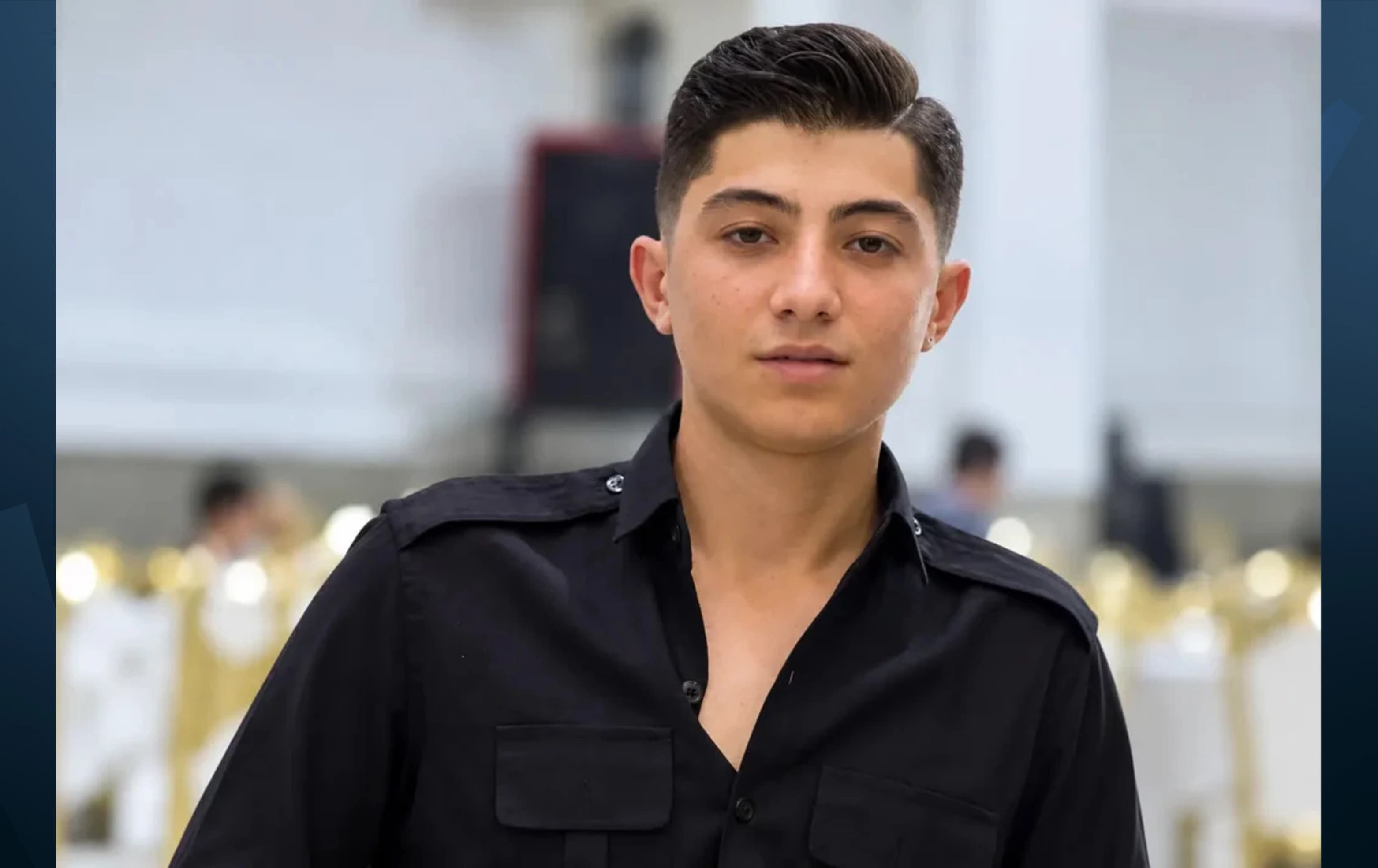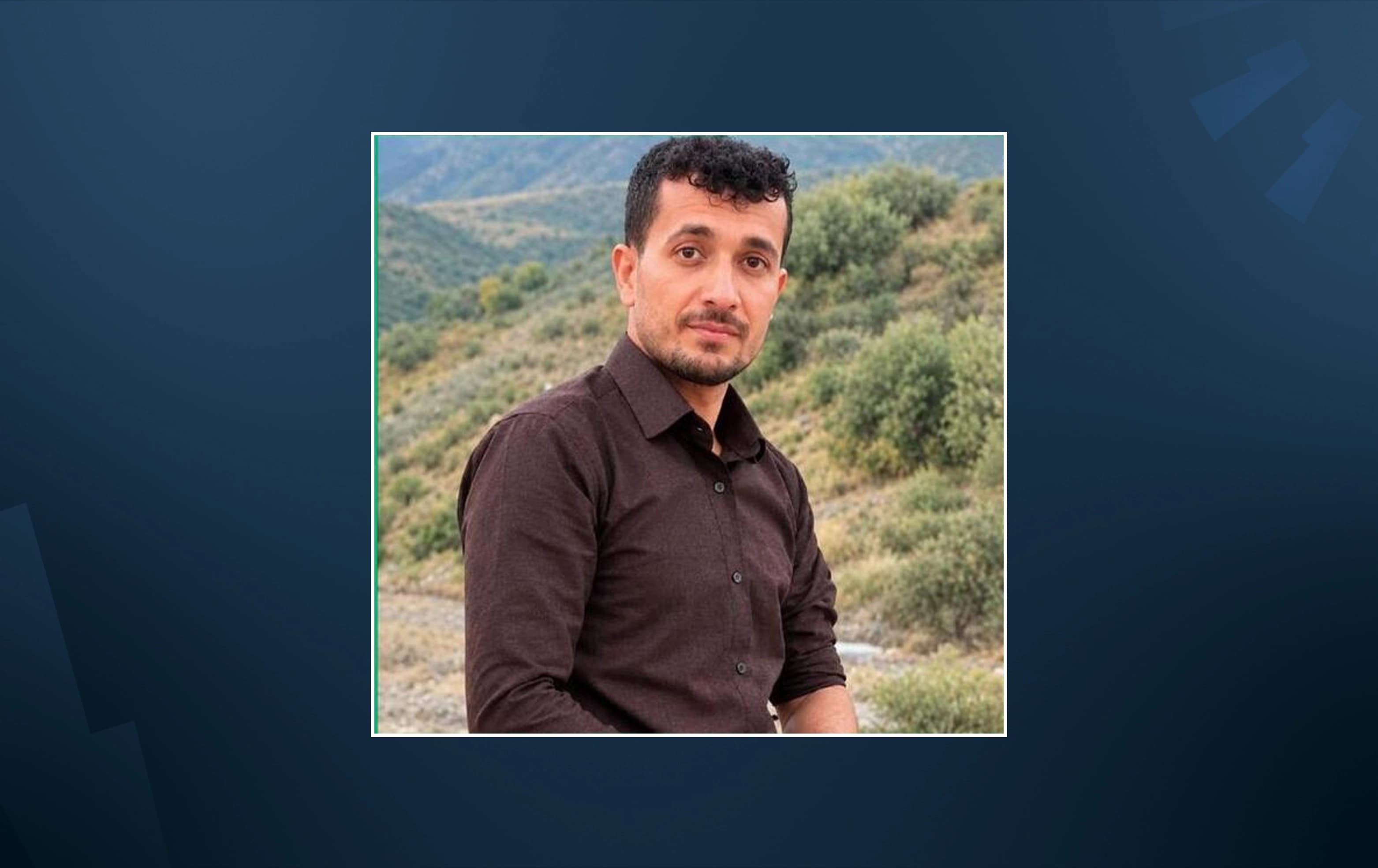

ERBIL, Kurdistan Region - Iranian border guards shot and killed a Kurdish border porter, known in Kurdish as a Kolbar, in Salas-e Babajani County in western Iran's Kermanshah province on Wednesday, a rights group said.
Mohammad Sediq Avali was shot at close range without prior warning in the Sheikh Saleh border area early Wednesday, according to the Hengaw Organization for Human Rights.
The 28-year-old was married and the father of two young children, Hengaw said. He was from Anjirbus village in Salas-e Babajani County.
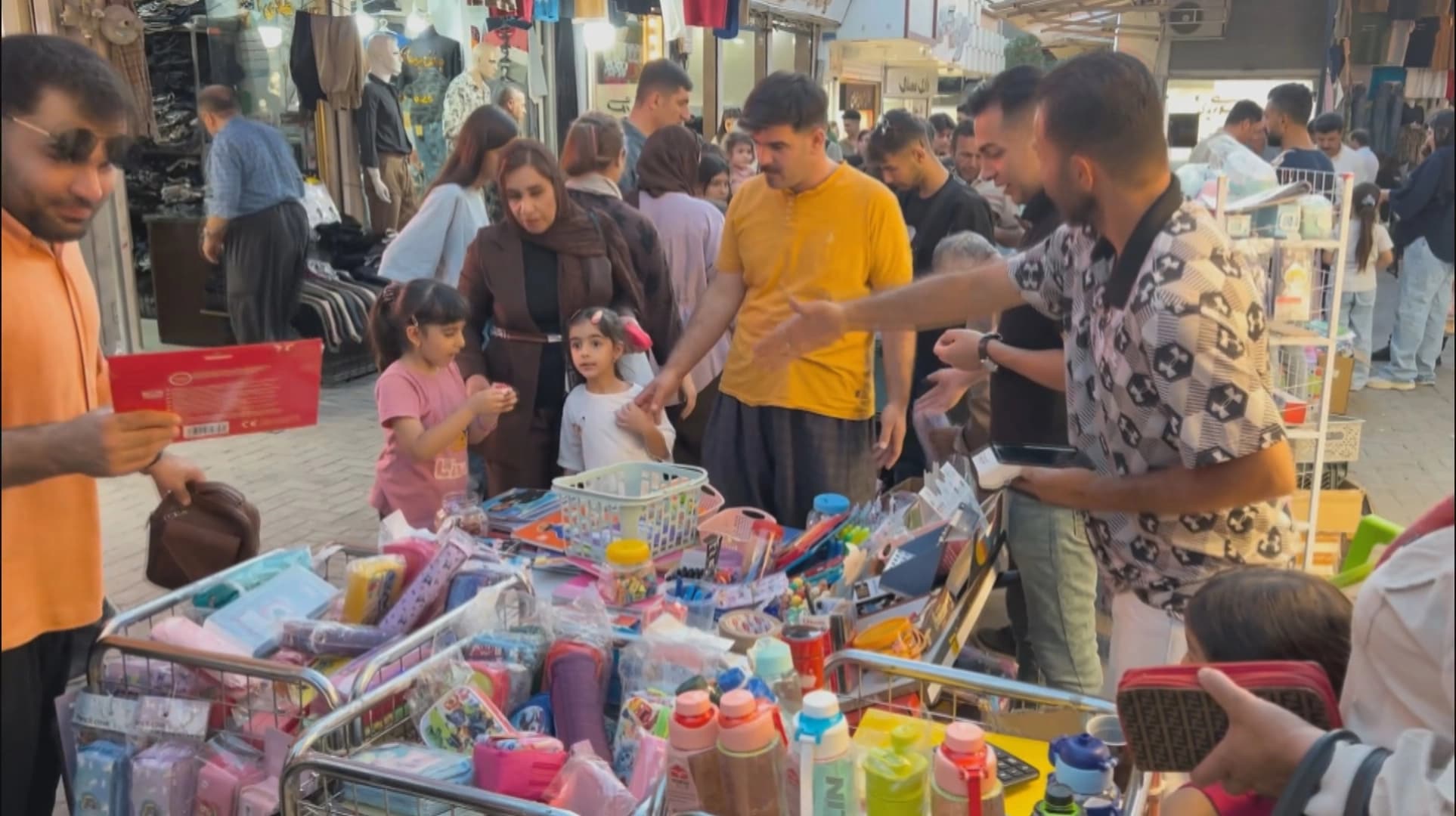
Kolbars are Kurdish border porters who carry goods across the mountainous frontier between Iran and the Kurdistan Region and Turkey. Many Kurds turn to it because of unemployment, rising living costs and limited economic opportunities in Iran’s Kurdish-majority areas.
Kolbars commonly transport goods such as food, clothing and cosmetics into Iran from the Kurdistan Region.
The work is physically taxing and dangerous, with porters traveling long distances through rugged and heavily militarized terrain for relatively low wages.
In a recent case, a 20-year-old Kurdish kolbar from Saqqez was seriously wounded after Iranian Border Regiment forces opened fire on him in the Hangeh Zhal border area of Baneh, according to Hengaw. The shooting occurred on September 14 .
Since the start of 2026, Iranian forces have fired on at least 21 Kolbars, 13 of whom died, while the remaining have sustained various injuries, per a recent Hengaw report.
Trade by the Kolbar through Iran’s Kurdish border areas has surged dramatically as the country’s conventional maritime and land routes face growing disruption due to the US embargo.
The head of customs in Iran’s West Azerbaijan province said Kolbars contributed to 140,713 tons of goods worth $208 million entering the country during the first five months of the current Iranian year (March to August).
In the same period last year, only 870 tons of goods worth around $3 million had entered the country through Kolbars, an increase of roughly 69 times in value and more than 160 times in volume, according to figures published by the state-run IRNA.
While Iran promotes the formal Kolbari systems, Iranian border guards and the Islamic Revolutionary Guard Corps (IRGC) regularly target the border couriers operating in unofficial crossings.