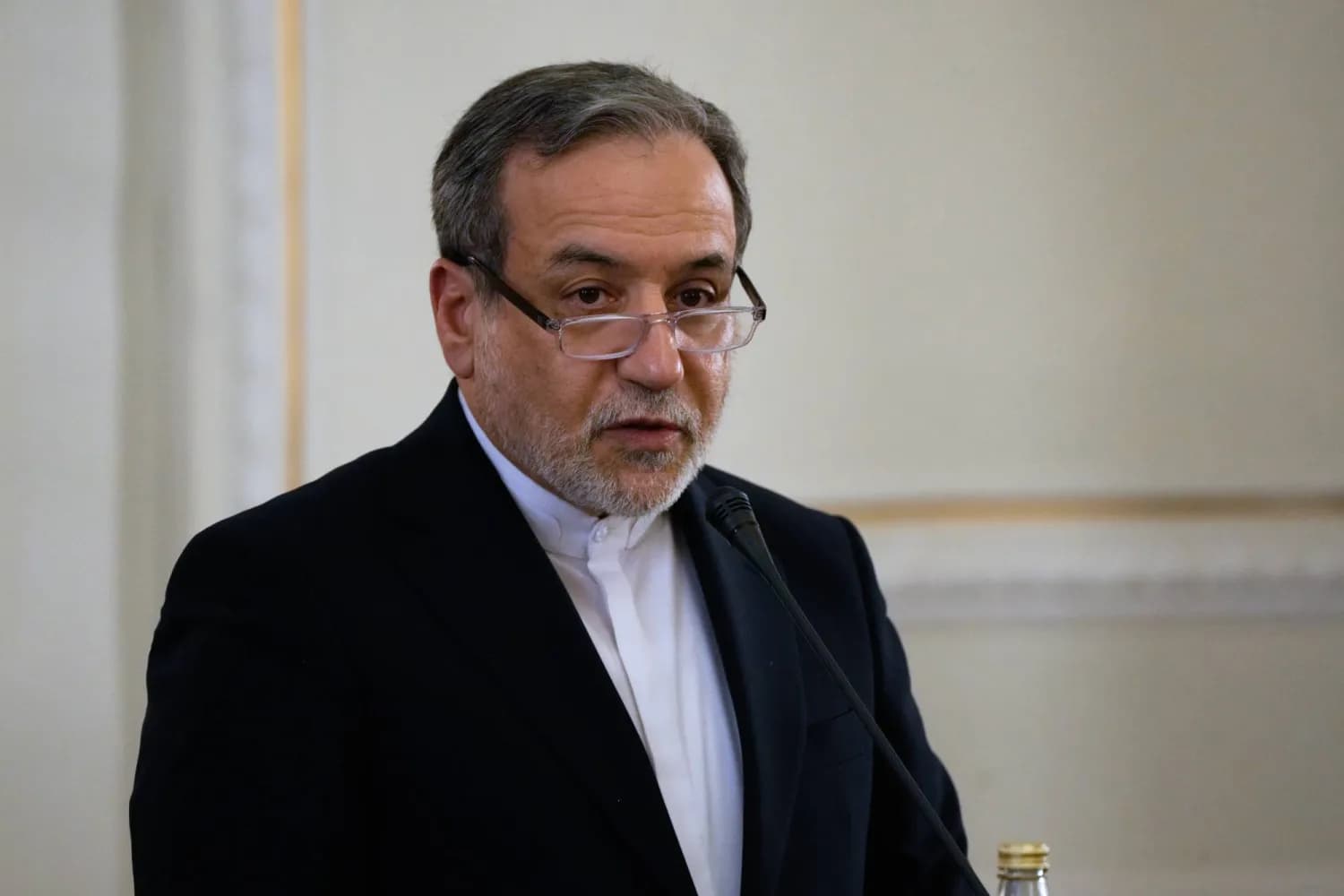

ERBIL, Kurdistan Region - Iranian hardliners criticized Foreign Minister Abbas Araghchi over contacts with US officials in New York, questioning whether he had authorization to engage Washington, prompting a senior security official to publicly clarify that the foreign minister had been authorized to convey Tehran’s terms.
Ebrahim Rezaei, a hardline member of parliament, said on Wednesday in a statement on X that the foreign ministry was an “executor, not a policymaker” and demanded that Araghchi explain “on the basis of which authorization and policy” he had engaged with representatives of what he called the “aggressor enemy.”
Hardline commentator Ehsan Salehi went further, saying negotiations conducted “without authorization” should not go without consequences and calling on parliament to impeach Araghchi.
The reaction from the hardliners came after US President Donald Trump announced yesterday that his team had met with the Iranians through meditators and have had constructive dialogue.
"Will a deal be made with Iran that lets them rebuild and create a far greater country than it ever was before?" President Trump mused in his speech to world leaders at the 81st United Nations General Assembly (UNGA), “or do I annihilate the Islamic Republic and do it quickly, never giving them a chance to kill and destroy people and countries again? Do I drive them into hell?"
Steve Witkoff, US Special Envoy to Donald Trump, said that he finished the first round of meeting with the Iranians - the first meeting since June - and hopes that they will prove to be “constructive and promising.”
Mohsen Rezaei, secretary of Iran’s Supreme National Security Council, sought to address the controversy in an interview on state television on Wednesday, saying Araghchi had been authorized to communicate Iran’s seven conditions to intermediaries travelling between Iranian and US officials.
Rezaei was quoted saying Araghchi had permission to convey the message to Washington, according to Tasnim news agency, affiliated with Iran's Islamic Revolutionary Guard Corps (IRGC).
“It was decided that Mr. Araghchi would convey Iran’s seven conditions to intermediaries who travel between our officials and the Americans,” Rezaei said.
He stressed that the contact did not represent a change in Tehran’s position. “Until these conditions are implemented, neither will the Strait reopen nor will there be negotiations. Nothing has changed; we have only communicated our conditions.”
Rezaei said Iran would not return to its previous negotiating framework and that Washington must first take practical steps to rebuild trust. He has said Tehran’s seven conditions have been put in writing and conveyed through mediators, including Pakistan and Qatar.
The dispute comes amid renewed diplomatic activity around the UN General Assembly in New York. Trump said on Tuesday that talks with Iran were continuing and that he believed a settlement could eventually be reached, while maintaining that Washington would not allow Tehran to obtain a nuclear weapon.
The public intervention by Rezaei appears aimed at drawing a distinction between authorized transmission of Iran’s conditions and the broader negotiations that hardliners fear may be taking place, as divisions within Tehran over engagement with Washington spill into the open.