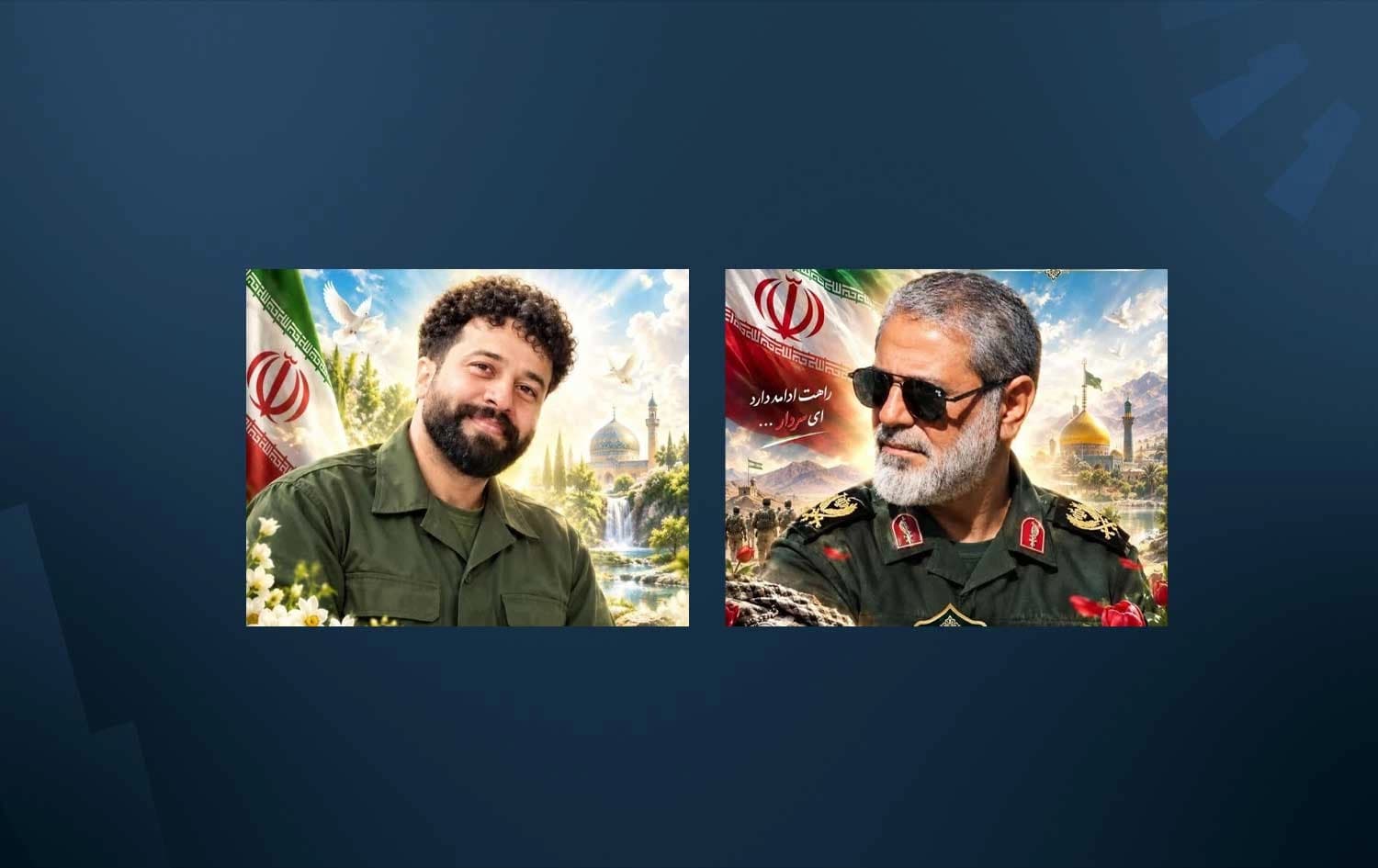

ERBIL, Kurdistan Region - Iran’s Revolutionary Guard Corps (IRGC) is preparing to mobilize 40,000 motorcyclists through Tehran on Friday under its expanding “Janfada-ye Iran” campaign, the latest large-scale show of force by the Islamic Republic as authorities seek to project unity abroad and maintain control at home at a time of great economic hardship.
Hassan Hassanzadeh, commander of the IRGC’s Greater Tehran Corps, announced that the “40,000 Motorcyclists of Janfada-ye Iran” exercise would be held during Iran’s Sacred Defense Week which commemorates the 1980-1988 war against Iraq, according to Iran's state-run Islamic Republic News Agency (IRNA).
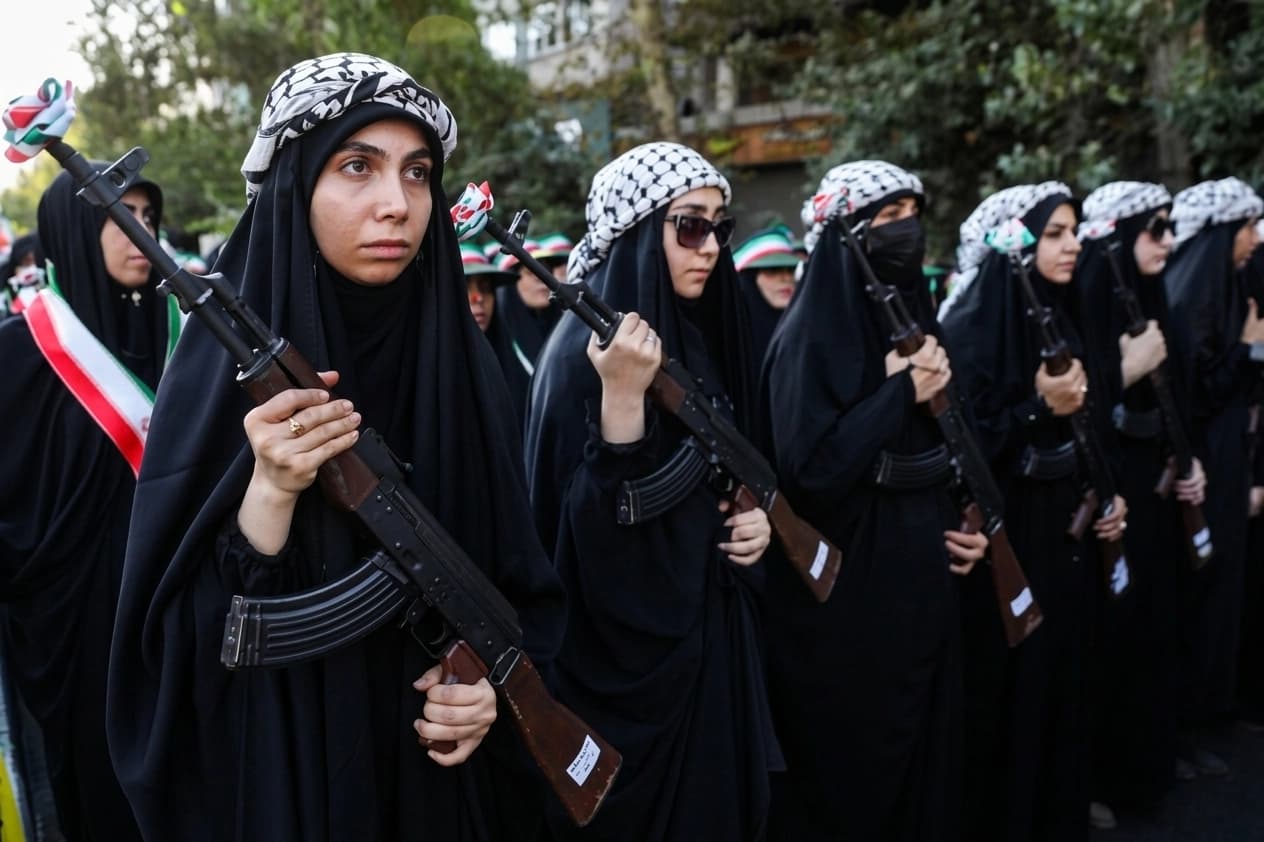
The event follows last week’s IRGC-organized Janfada mobilization in Tehran, which authorities described as a march of 313,000 people. Participants included Basij members and other government supporters, some carrying weapons, marched through the streets of Tehran intended to send a strong message to those who may contemplate challenging the state’s authority. Pictures of a large number of children carrying guns were published by IRGC affiliated channels.
Janfada - roughly translated as “those who sacrifice their lives” - has developed into a major mobilization project of the Basij, the volunteer arm of the IRGC that acts as an intelligence, security and military arm of the state. It is now headed by Hossein Taeb, appointed Basij commander in August after previously running the IRGC Intelligence Organization from 2009 to 2022.
Taeb is a notorious figure who is closely associated with the new supreme leader Mojataba Khamenei and is sanctioned by the US, the EU and the United Kingdom for serious human rights violations during his tenure as the head of the IRGC Intelligence.
The campaign has an internal-security dimension as well as its stated role in national defense. Since March, armed Basij members, police and other security forces have maintained checkpoints and a visible presence in squares and neighborhoods across the country.
Government supporters have also held repeated nighttime gatherings and motorcades since March. Iranian officials say the deployments are intended to maintain security during the war; residents and rights groups have described them as an effort to deter renewed anti-government protests.
That concern is rooted in the January uprising, when security forces spearheaded by the IRGC and Basij used lethal force against nationwide demonstrations.
Norway-based Iran Human Rights says it has documented more than 4,200 deaths from the protests, with at least 3,356 people killed on January 8 and 9 alone. The organization said evidence it reviewed showed widespread use of direct fire by government forces.
The mobilization is taking place as Tehran simultaneously explores renewed diplomacy with Washington.
Iranian officials have used the UN General Assembly in New York to communicate conditions for reopening negotiations, while Supreme National Security Council secretary Mohsen Rezaei has said Iran will not reopen the Strait of Hormuz or enter talks unless its demands are met.
The diplomatic outreach comes under mounting economic pressure.
A US naval blockade since mid-July has constrained Iranian trade, while new American measures threaten companies providing fuel and ground services to sanctioned Iranian airlines.
Flights have already been disrupted in several neighboring countries, although Iranian carriers continue to receive services in some destinations, including Russia, China and parts of the Gulf.