
ERBIL, Kurdistan Region - Fish farmers in Iran’s Kurdistan province are struggling with weak demand and rising production costs as lower purchasing power makes it harder to sell their products.
“Our production has reached approximately 144 tons, including 10 tons of warm-water fish at Golbolagh Dam,” Vahid Sharifian, head of the Bijar Agriculture Department, told Rudaw’s Hana Mohammad.
Farmers say the weak market and higher costs have made it increasingly difficult to sell their fish.
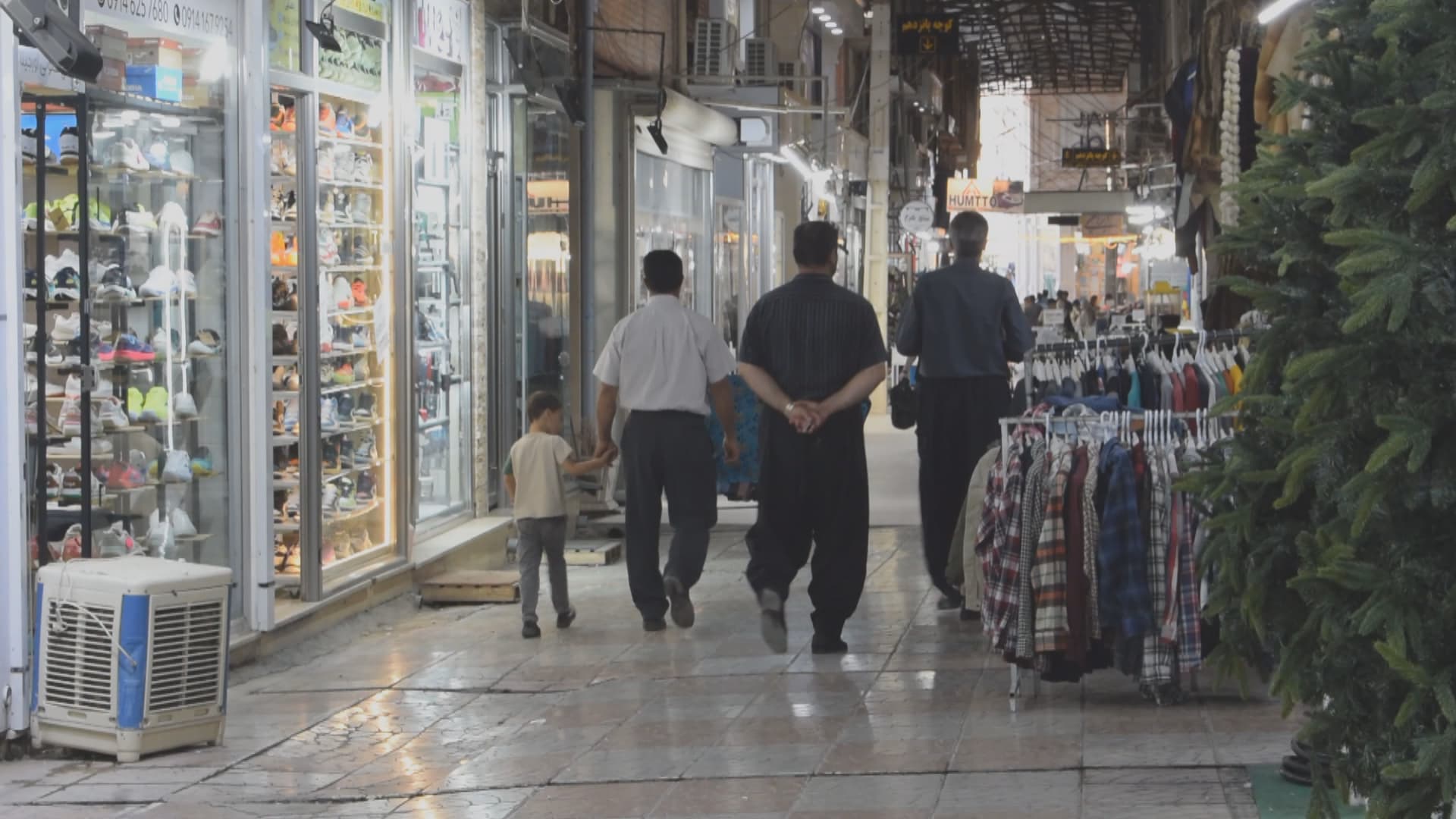
“Unfortunately, the market for selling our fish is very weak, and people’s purchasing power is low. Most of our products are exported to neighboring provinces such as Tehran and Zanjan. Fish feed has also become much more expensive compared with last year, and our costs have increased as well,” said Ali Mohammadian, a fish-farm owner.
Kurdistan province has 332 fish-farming units, according to local agricultural officials. The farms also provide jobs for hundreds of people, while their production is sold both within the province and in neighboring markets.
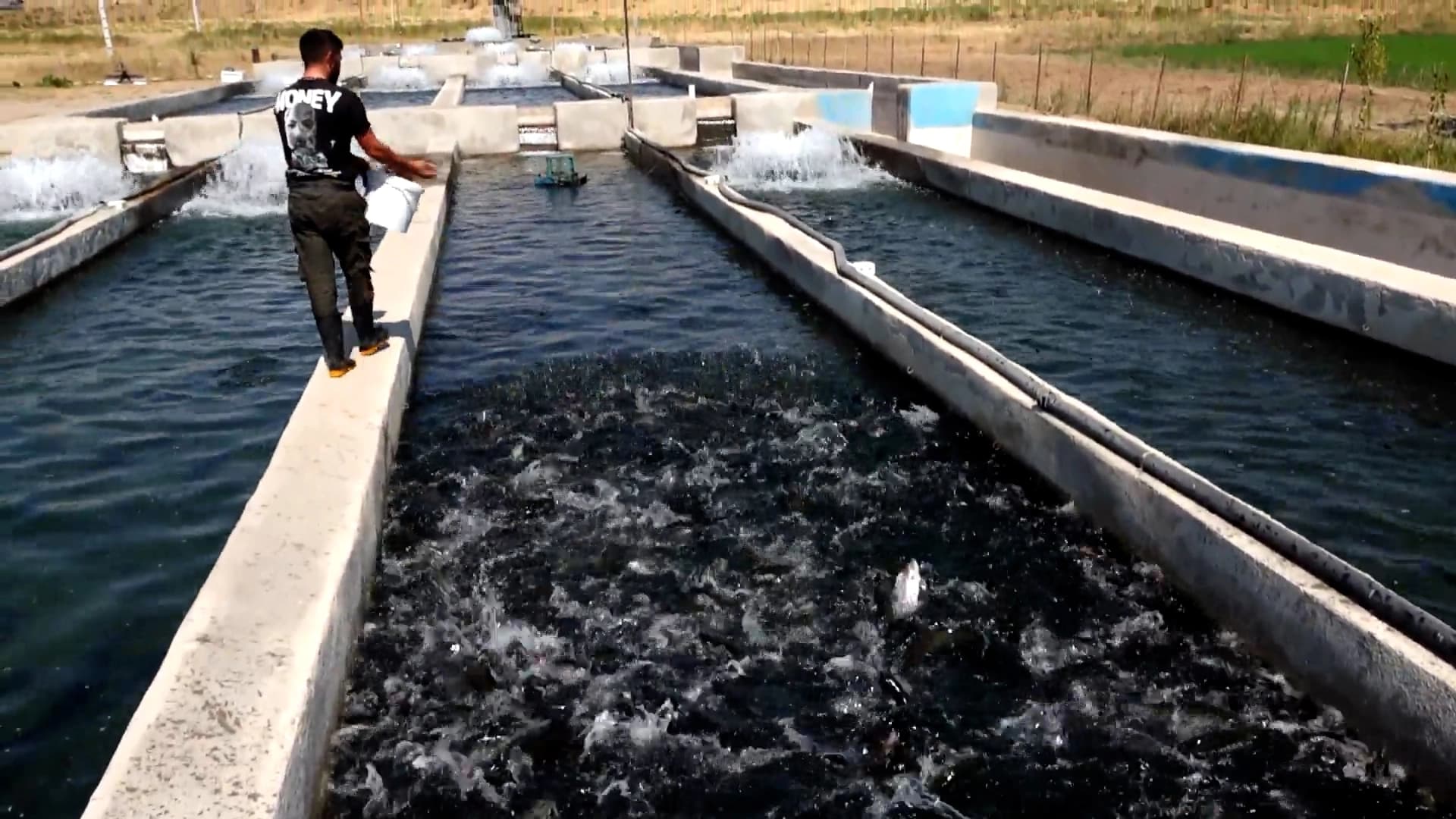
The farms use raceway-style rectangular ponds, a design that allows farmers to raise more fish in a limited area and increase their weight, according to Mohammad Rezaei, a fisheries engineer at the Sina Agriculture Department.
“One of the defining features of these fish ponds is their design, which is common across the province. They are built in a raceway-style, rectangular shape. This design allows them to accommodate a larger number of fish, while also helping increase their weight,” Rezaei said.
The difficulties facing fish farmers come as economic pressure in Iran continues to weigh on consumers and businesses. The country has experienced high inflation and declining purchasing power, while disruptions to trade and imports have increased costs.