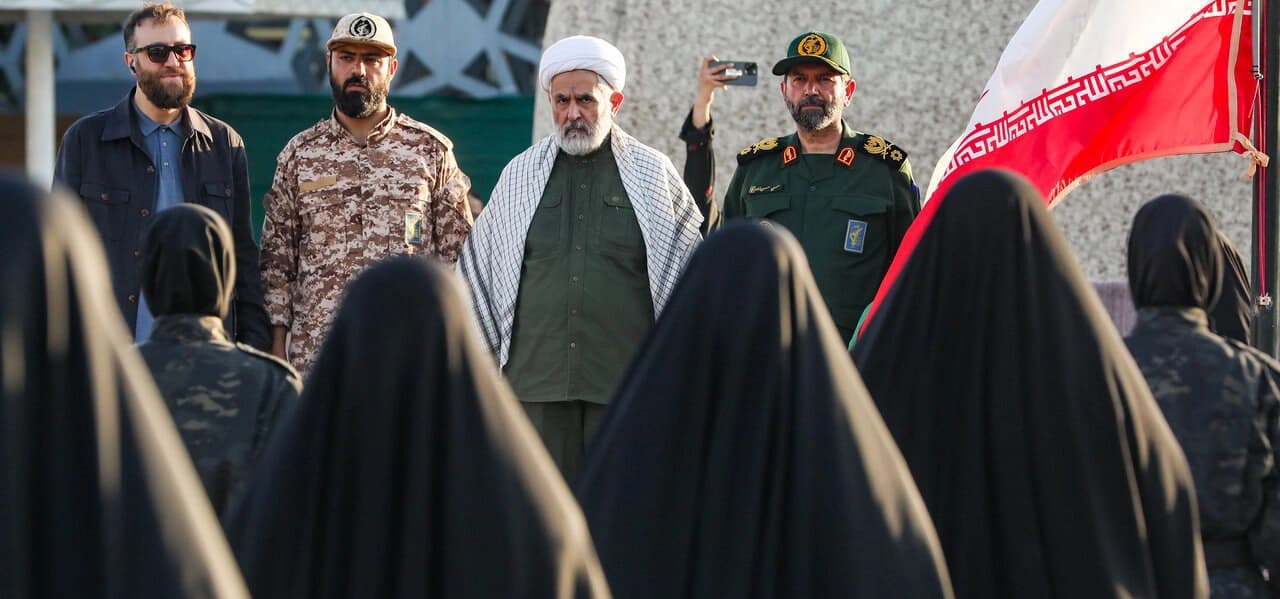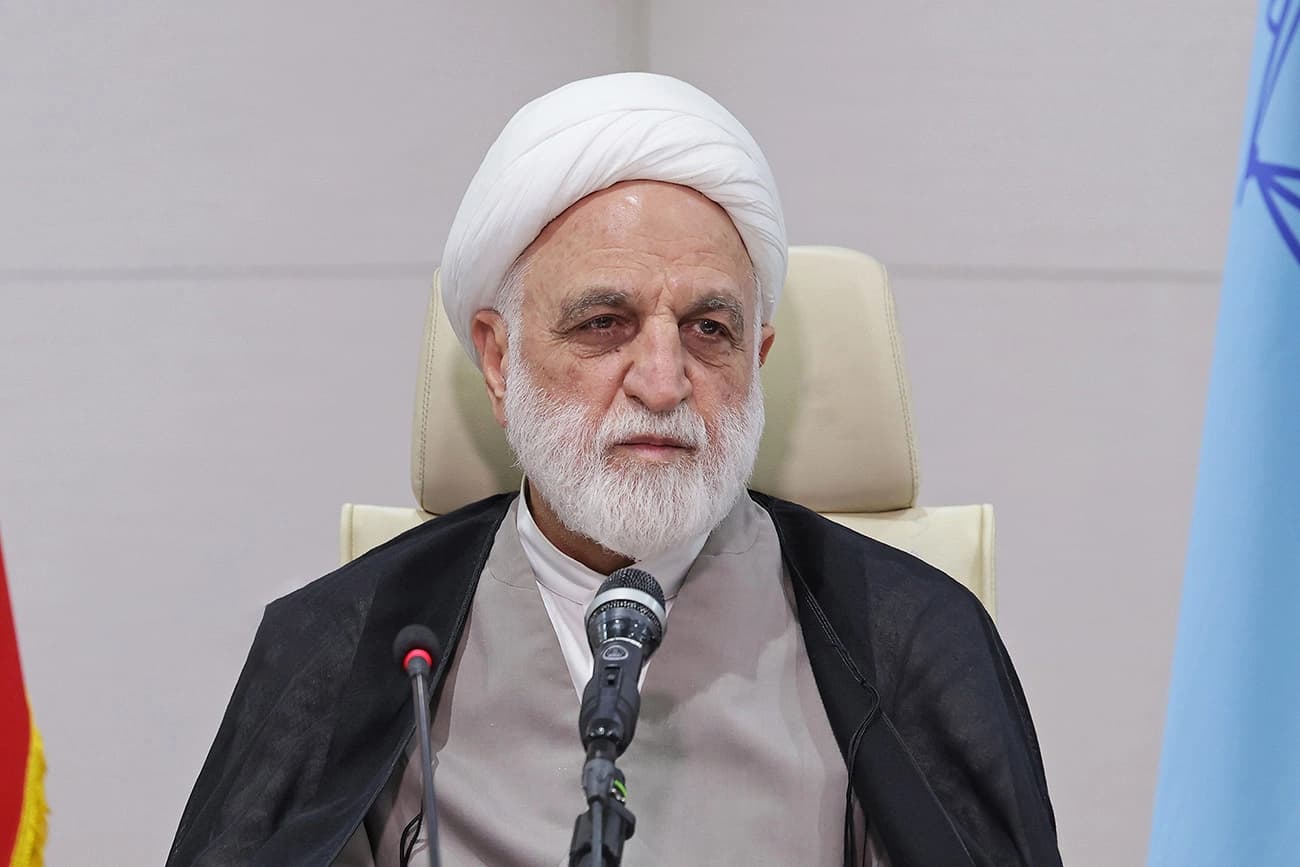

ERBIL, Kurdistan Region - Iran’s powerful judiciary chief Gholamhossein Mohseni Ejei has ordered prosecutors as well as security and intelligence bodies to confront what he called “social abnormalities,” including public unveiling, in what appears to signal a renewed push to enforce the country’s compulsory hijab rules at a particularly sensitive moment for the Islamic Republic when the economy is on the verge of collapse.
Ejei instructed the prosecutor general to work with police, intelligence agencies and government bodies to act “decisively” against what he described as “indecency and nudity,” while insisting that any measures remain strictly within the law. He said the issue required “prudence, wisdom and planning” and claimed that President Masoud Pezeshkian and parliament supported the approach.
“The important thing is to put an end to this situation of social abnormalities and nudity, but with prudence and wisdom,” Ejei said, according to the statement published by the state-run IRNA. “The president and parliament also agree on this matter.”
Videos of towns and cities and public events show that the overwhelming majority of women have given up on covering their heads and see that as a fact of life. This is while the authorities have tried to ban businesses and prosecute singers, actors and members of the public over hijab.
The renewed focus on compulsory hijab comes as Iranian courts continue to punish women who publicly defy the dress code. Singer Parastoo Ahmadi and eight musicians have had sentences of 74 lashes, a two-year travel ban and a two-year ban on artistic activity upheld over a livestreamed concert in Qom province. Ahmadi performed without the mandatory headscarf, and the video drew millions of views online. The court said the performance had “offended public decency” through the production and publication of “obscene and immoral content” online, underscoring how hijab enforcement remains tied to broader restrictions on women’s public expression and cultural activity.
The remarks are significant because enforcement of compulsory veiling has become politically explosive since the September 2022 death in custody of 22-year-old Kurdish woman Zhina (Mahsa) Amini after her arrest by the morality police. Her death triggered the nationwide Woman, Life, Freedom uprising.
Authorities subsequently eased some visible forms of enforcement, although compulsory hijab laws remained in force and pressure on women continued through arrests, surveillance, business closures and other measures. A tougher hijab law was later delayed amid concern over the political consequences of renewed confrontation over the issue.
A comprehensive Amnesty International report released earlier this month concluded that Iranian authorities committed crimes against humanity while suppressing the 2022 uprising, unlawfully killing hundreds of protesters and bystanders and subjecting thousands to arbitrary detention, enforced disappearance and torture.
Any renewed hijab crackdown would come as Tehran faces acute economic and political pressure. Official figures show Iran’s economy contracted 10.1 percent year-on-year between March and June, with oil and gas activity falling 26.4 percent.
The rial has also fallen sharply, with one dollar trading at a whopping 240,000 tomans on Monday, compared with around 80,000 tomans when Donald Trump took office as US president in January 2025.
The pressure has intensified under the US naval blockade. Washington and Tehran are now discussing a possible phased arrangement under which Iran would reopen the Strait of Hormuz and the US would ease its blockade, according to Reuters. US Central Command said that 122 commercial vessels had been redirected as of Friday.
Against that backdrop, Ejei’s intervention risks reopening one of the most divisive domestic issues in Iran. Pezeshkian has repeatedly emphasised social cohesion since taking office, while the leadership has also stressed unity as it confronts Washington abroad and mounting economic discontent at home.
Ejei, however, made clear that he viewed enforcement as necessary despite the potential backlash, saying authorities should not be intimidated by “noise and uproar” surrounding the issue.