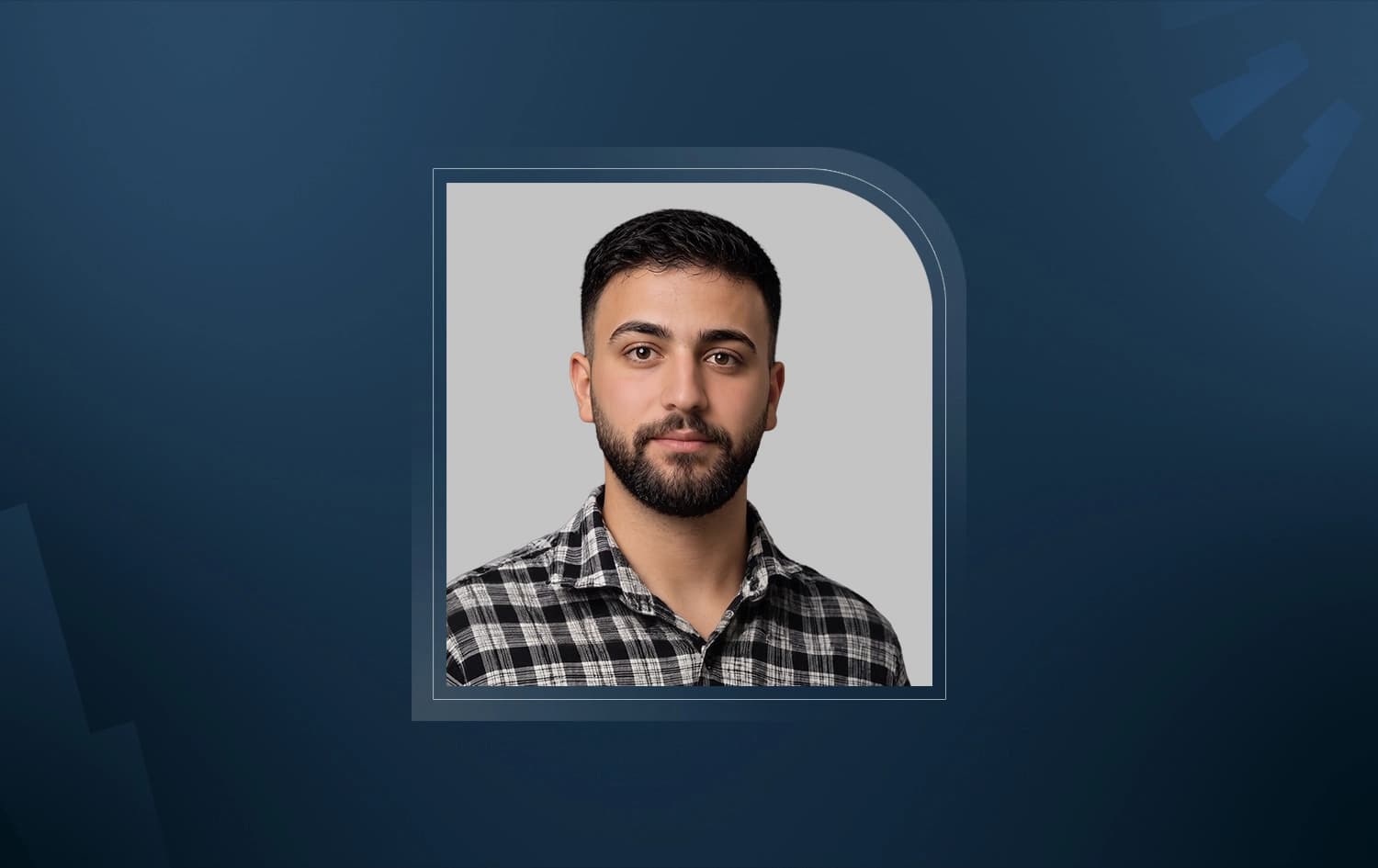

ERBIL, Kurdistan Region – Iranian authorities executed 25-year-old protester Alireza Sepahi on Monday morning, a day after he was transferred to solitary confinement, despite suffering from a heart condition that had previously halted an attempt to hang him, his lawyer said on Instagram.
Sepahi was arrested at his home in Isfahan on January 10, during the nationwide anti-government protests in which thousands of protesters were killed by the Islamic Revolutionary Guard Corps (IRGC) and other security forces. Iran Human Rights said he was shot in the leg while trying to escape during his arrest and that his mother was also detained.
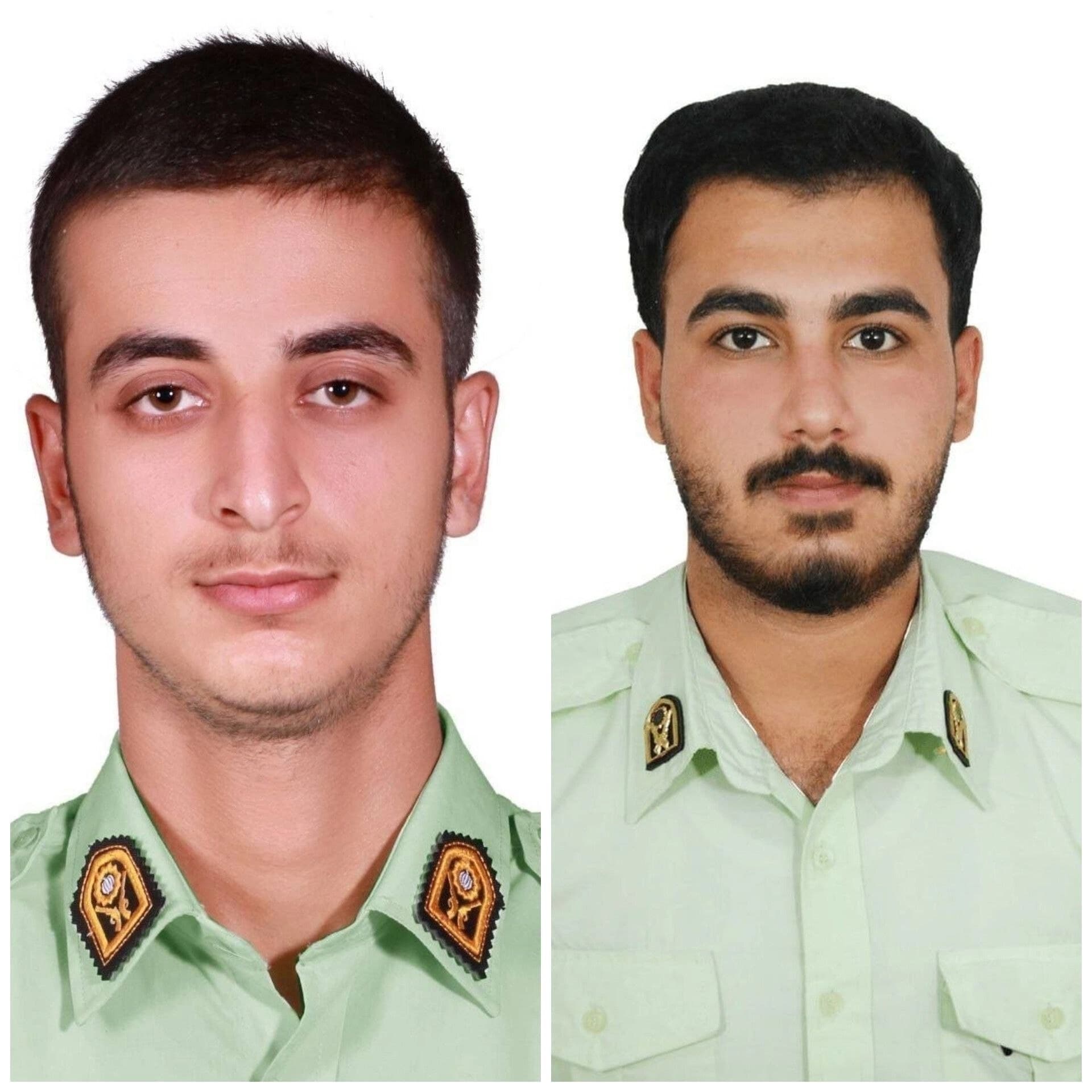
He was one of at least a dozen defendants in what became known as the “Alikhani Square” case, stemming from clashes in Isfahan on January 8 in which authorities said four members of the security forces were killed. Iran Human Rights has raised concerns over torture, forced confessions and violations of due process in the case.
Just a day before his execution, Sepahi married his fiancée, Mahshad Kashani, in a telephone ceremony from prison conducted by prominent human rights lawyer Amir Salar Davoudi. The couple had been engaged before they were arrested during the January protests. Kashani remains imprisoned and has been sentenced to five years in prison.
Five of Sepahi’s co-defendants had already been executed before Monday. Erfan Esfandiari and Gol Mohammad Mohammadi were hanged in Isfahan Central Prison on July 19, while Sepahi’s cousin, Abolfazl Sepahi, and Amirhossein Safari were publicly hanged in Alikhani Square on July 28. Ghaem Hosseini was executed on August 20.
Alireza Sepahi was also due to be publicly hanged in Alikhani Square on July 28, but suffered a heart attack shortly before the execution and was rushed to hospital. He was later returned to prison.
On Saturday, Norway-based Iran Human Rights said Sepahi’s family had been summoned to Isfahan Central Prison for what was expected to be a final visit after he was transferred to solitary confinement, a move that often signals an imminent execution.
His lawyer, Shahrzad Shahbazi, wrote on Instagram: “My client, Alireza Sepahi, is breathing today; perhaps not tomorrow.”
Iran Human Rights says at least 100 protesters arrested during the January uprising are currently at risk of execution, while hundreds of others face possible death sentences. Five of those identified were under 18 at the time of their alleged offenses and five are women.
Before Sepahi’s execution, at least 32 people had been hanged in connection with the December 2025-January 2026 protests since March 19, according to Iran Human Rights.