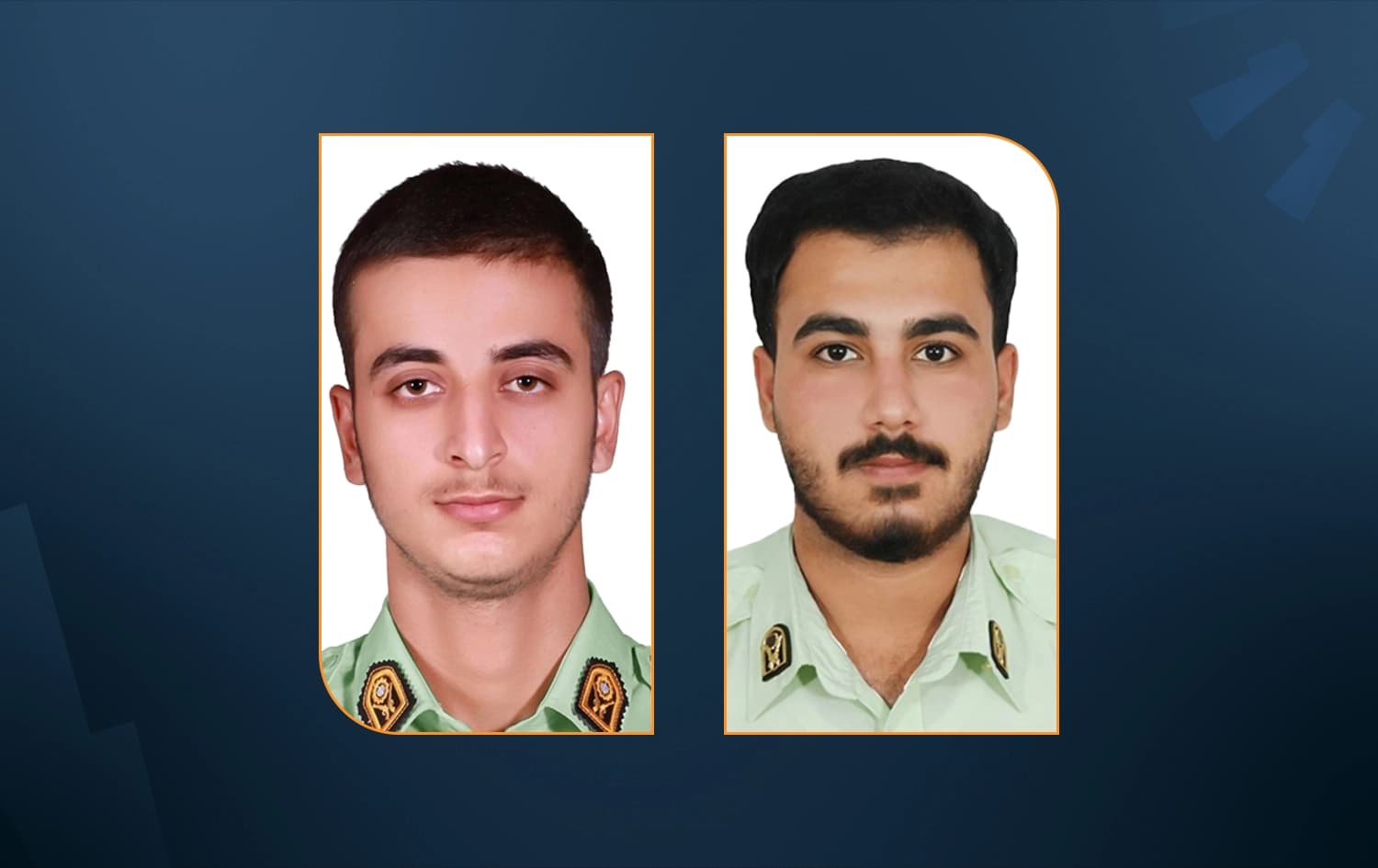
ERBIL, Kurdistan Region - Iranian authorities on Monday executed two men convicted on charges related to the nationwide anti-government protests in January, a rights monitor reported, adding that they were the latest of seven people executed over a single incident that Tehran says killed several security officers, in a case rights groups say was marred by judicial violations, including “reports of torture.”
Alireza Raeisi, 21, and Alireza Sepahi, 25, were executed at a prison in central Iran's Isfahan province, Norway-based Iran Human Rights (IHR) said, adding that they were the latest of "seven individuals, including two Afghan nationals," executed in connection with what is known as the Alikhani Square case.
The case centers around widespread protests that took place in Isfahan in early January, when violent clashes erupted between protesters and security forces at Isfahan’s Alikhani Square. Iranian state media then reported that four members of the government security personnel were killed during these confrontations.
"This case has been marred by violations of due process and reports of torture," IHR said Monday, noting that since mid-March “at least 36 protesters - 34 in connection with the January protests and two with the Jin, Jiyan, Azadi [Woman, Life, Freedom] protests, as well as 13 political prisoners affiliated with exiled opposition groups - have been executed.”
"The weekly execution of protesters continues, while hundreds of others have been sentenced to death or face charges carrying the death penalty," IHR Director Mahmood Amiry-Moghaddam was cited as saying. He further warned that "this trend is a continuation of the mass killing of January protesters" and called for “an immediate halt” to all executions.
Earlier on Monday, the Iranian judiciary's official news agency Mizan Online said Raeisi and Sepahi were among the key protesters in the anti-government movement in Isfahan, adding that they had been sentenced to death on charges of armed rebellion, enmity against God, and corruption on earth.
Of note, the latter three charges are routinely invoked by the Iranian judiciary against protesters, dissidents, and individuals accused of anti-establishment activities.
In a comprehensive report it published in mid-September, IHR said it documented and cross-verified 4,219 individual deaths with full names, noting that over 3,356 of those victims were killed during the 48-hour climax on January 8 and 9 across all provinces.
At least 29 people had been executed in connection with the January protests by the report's publication date, with over a hundred others facing imminent death sentences following torture-tainted trials, the monitor added.
A United Nations fact-finding mission around the same time accused Iranian authorities of using lethal force on an “unprecedented” scale to suppress the January demonstrations, describing the crackdown as “beyond a simple continuation of familiar patterns.”