
ERBIL, Kurdistan Region – Heavy clashes erupted in southeast Iran early Monday after gunmen attacked a police station in the restive Sistan and Baluchestan province, as weeks of escalating violence have prompted an IRGC-linked news agency to accuse Pakistan of failing to prevent cross-border militant attacks.
“Armed men attacked the Mortan police post in the Parud district of Rask county. Local sources said heavy clashes broke out between the assailants and forces stationed at the post, with both sides exchanging fire,” Haalvsh, a human rights organisation monitoring developments in the Baloch region, reported.
There were no immediate reports of casualties from Monday’s attack, and no group had claimed responsibility. The state media did not report the attack.
The latest confrontation comes amid a wave of attacks against Iranian security forces in the southeastern province, which borders Pakistan and Afghanistan.
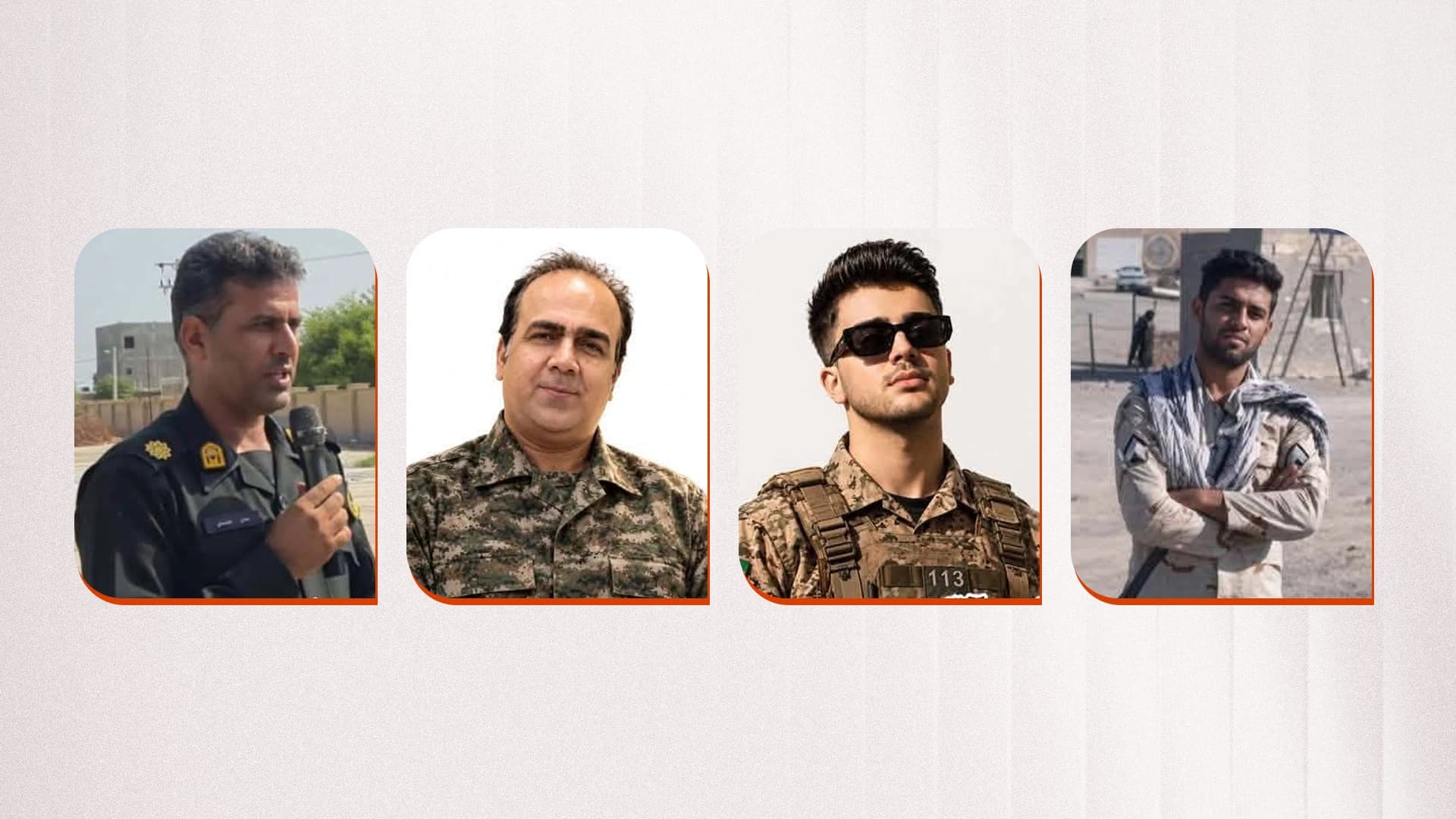
More than a dozen Iranian military and police personnel were killed or wounded in four attacks over a 24-hour period last week, according to Haalvsh.
The deteriorating security situation comes as Tehran faces mounting military and economic pressure from Washington, with renewed attacks on commercial shipping in the Strait of Hormuz raising fears of further escalation.
“At least 17 attacks against tankers in the Strait of Hormuz and surrounding waterways since Sept 28, and at least two confirmed hailing incidents all linked to Iran,” Noam Raydan, a senior fellow at The Washington Institute for Near East Policy which tracks attacks in the Strait of Hormuz, reported on Sunday.
US forces have also carried out repeated strikes against Iranian military installations, including targets in the southeastern coastal cities of Chabahar and Konarak in July, according to US Central Command.
Monday's attack followed the killing on Friday of Lieutenant Colonel Nosrat Eftekhari Poudineh, deputy for cultural and social affairs at the Sistan and Baluchestan provincial police command.
Eftekhari was killed when a roadside bomb exploded near a police vehicle travelling through the Cheshmeh Ziarat area outside Zahedan, the provincial capital.
Her killing prompted condemnation from senior Iranian officials, including President Masoud Pezeshkian, who called on security forces to swiftly identify and punish those responsible.
On Sunday, Tasnim, a news agency linked to the Islamic Revolutionary Guard Corps (IRGC), published an editorial accusing Pakistan of failing to take effective measures against armed groups operating along the border.
“The main issue in assessing Pakistan’s performance is not the number of official meetings or joint statements, but the results of its security measures,” the Tasnim news agency stated.
It questioned whether Islamabad had prevented militant groups from using Pakistani territory to launch attacks against Iran and whether security cooperation had resulted in a lasting reduction in violence.
The agency argued that repeated promises and security agreements were insufficient without tangible results on the ground, including dismantling militant networks, eliminating safe havens and disrupting logistical support.
Relations between Iran and Pakistan have long been strained by armed groups operating along their roughly 900-kilometre border.
Tensions escalated dramatically in January 2024 when Iran launched missiles and drones into Pakistan on January 16, targeting what Tehran described as bases belonging to Jaish al-Adl, a Sunni Baloch militant organization.
Pakistan retaliated on January 18, carrying out airstrikes against suspected Baloch separatist hideouts inside Iran. At least nine people were killed in the Pakistani strikes, according to the Associated Press.
Both countries subsequently moved to restore diplomatic relations and strengthen border security cooperation and even Pakistan have played as a main mediator in brokering talks between the US and Iran following the six week war which began on February 28.
The latest violence has also claimed the lives of senior IRGC and intelligence officials.
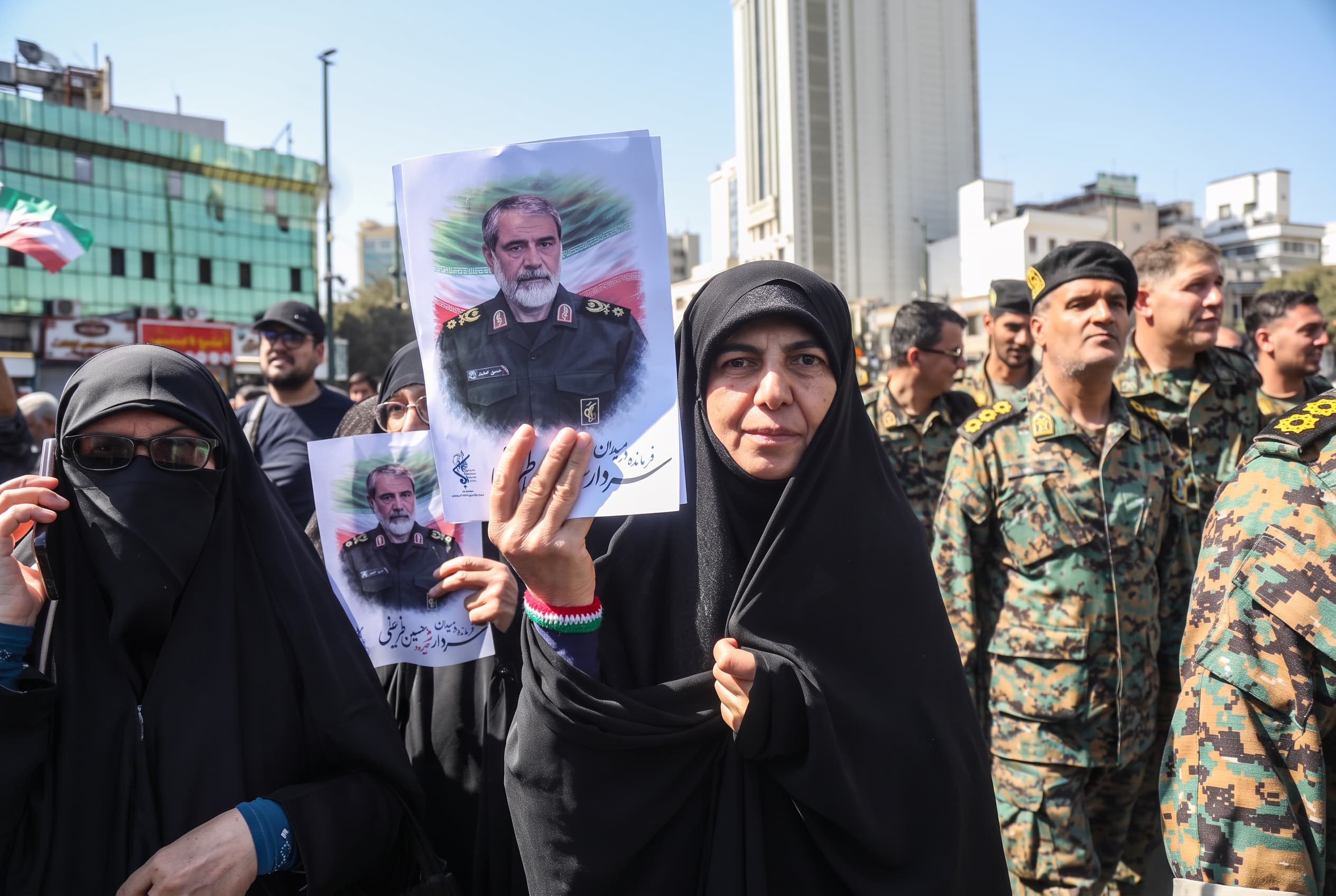
On September 23, Baloch militants killed IRGC Brigadier General Hossein Zarifi, commander of the Shahid Sajjad Operational Base in Saravan, and Ahmad Herati Zera'ati, the base's intelligence chief, during heavy fighting in the area.
Responsibility for several recent attacks has been claimed by the People's Fighters Front, a coalition of Baloch armed and political groups formed on December 10, 2025, to coordinate their struggle against the Islamic Republic.
The coalition brings together Jaish al-Adl, the PADA Baloch Movement, the Nasr Movement of Baluchestan, the Mohammad Rasulullah group and other Baloch fighters.
In its founding document, the coalition called for unity among opponents of Iran's clerical establishment and outlined its opposition to the political system based on velayat-e faqih, or guardianship of the Islamic jurist.
“We all know that the despotic rule of the velayat-e faqih is a problem for all the people of Iran … for this reason, all the people of Iran need unity of action against the despotic and anti-democratic structure of the velayat-e faqih in order to free themselves from it,” the coalition declared in a statement.
Jaish al-Adl, the coalition's most prominent armed component, emerged around 2012 following the weakening of Jundullah, a Sunni Baloch militant organisation that had carried out deadly attacks against Iranian security forces and civilians since 2003.
Jundullah's leader, Abdulmalek Rigi, was captured by Iranian intelligence in February 2010 and executed four months later. Jaish al-Adl subsequently emerged as a successor organization, continuing armed operations in the predominantly Sunni Baloch areas of southeast Iran.
The United States designated Jundullah a foreign terrorist organization in 2010 and formally included Jaish al-Adl under the designation in 2019.
Iranian authorities regard Jaish al-Adl and the broader Baloch coalition as serious national security threats and have repeatedly accused Washington and Israel of supporting armed groups seeking to destabilise the country.
In its Sunday's editorial, Tasnim described Jaish al-Adl, which it calls Jaish al-Zolm, or the Army of Injustice, as an illegitimate creation of the US and Israel. The article did not provide verifiable evidence of direct US or Israeli support for the group.
Sistan and Baluchestan is among Iran's poorest and most marginalised provinces, where longstanding grievances over economic deprivation, discrimination and the treatment of the predominantly Sunni Baloch population have fuelled resentment towards Tehran.
The province was also the scene of one of the deadliest crackdowns during Iran's nationwide protests in 2022. On September 30 that year, Iranian security forces opened fire on protesters and worshippers in Zahedan in what became known as Bloody Friday. Amnesty International documented at least 66 people killed that day, with more deaths recorded in the aftermath.
The continued attacks, despite repeated security operations and the killing of several militant commanders in recent years, highlight the persistent security challenges facing Tehran in the border region and the growing importance of cooperation with Pakistan to prevent further cross-border violence.