
ERBIL, Kurdistan Region - Iran has threatened to target undersea internet cables in the Strait of Hormuz and US military bases beyond the Middle East if its infrastructure comes under attack, while an Iranian security source warned Wednesday that Tehran was prepared for an all-out war in the event of renewed US-Israeli strikes.
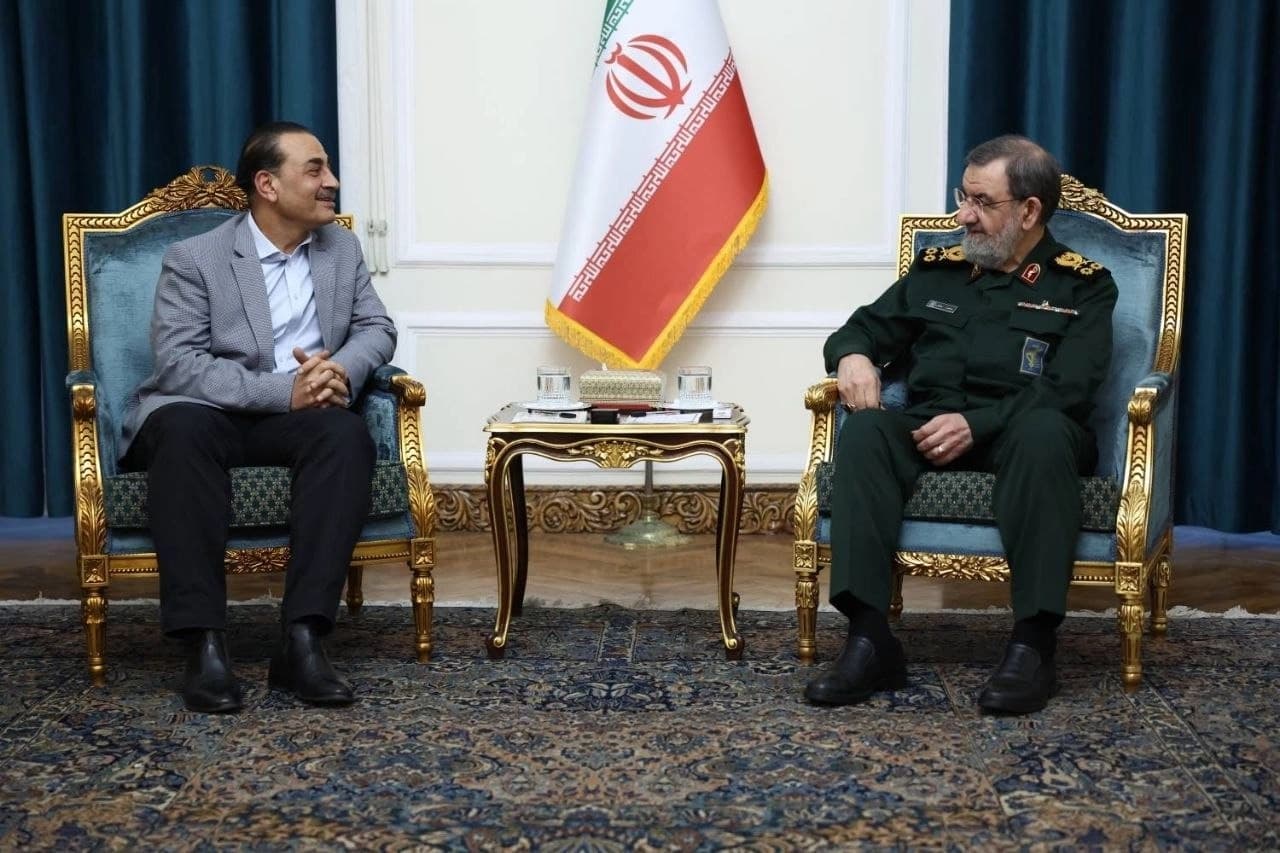
Brigadier General Yadollah Javani, deputy commander of Iran's Islamic Revolutionary Guard Corps (IRGC) for political affairs, warned in an interview with Iranian state-run Al-Alam television that vital internet cables passing beneath the Strait of Hormuz would not be safe if Iranian infrastructure was targeted.
Javani also claimed Iran possessed the technology and military capabilities to strike US bases beyond the region, saying Tehran would adopt more assertive measures to deter Washington from launching further attacks.
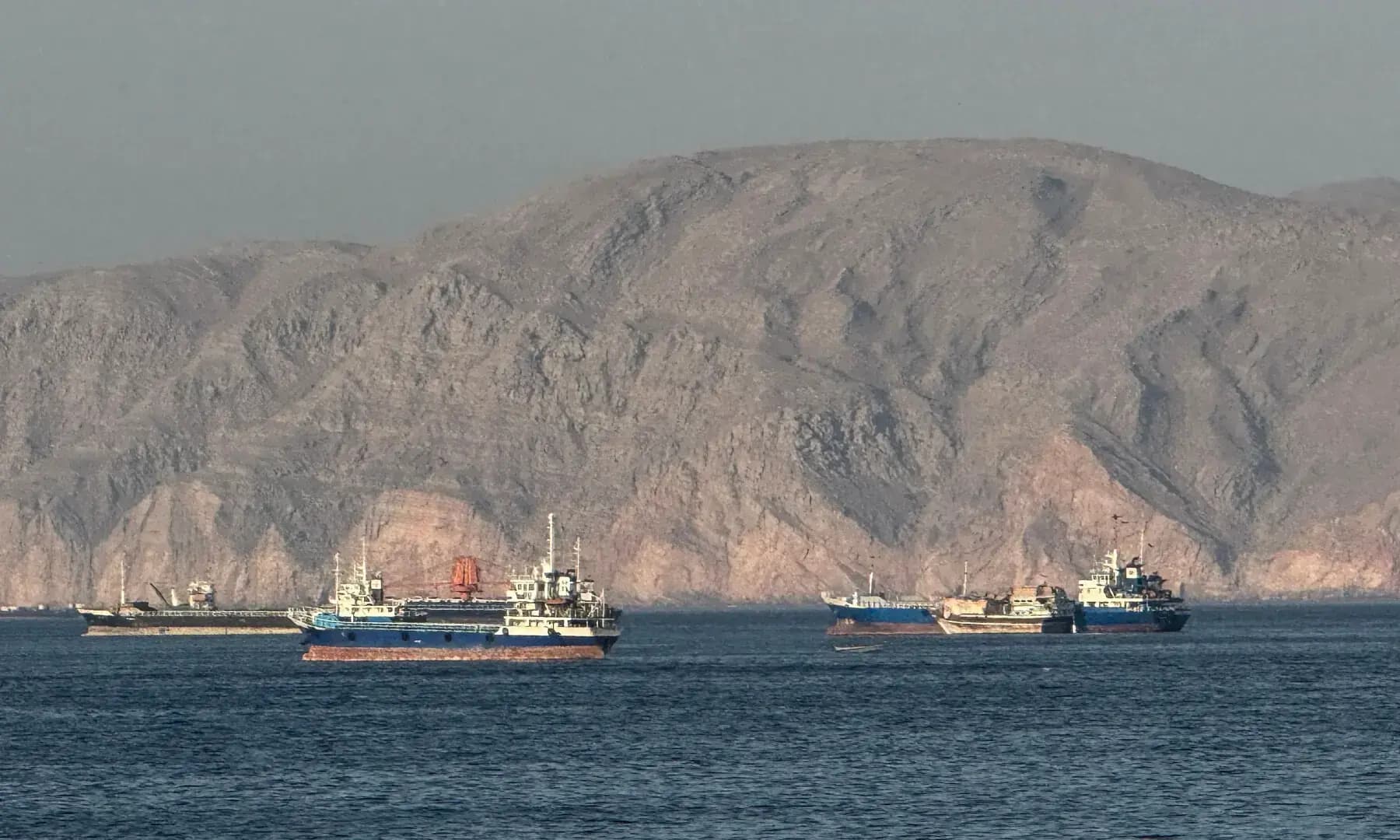
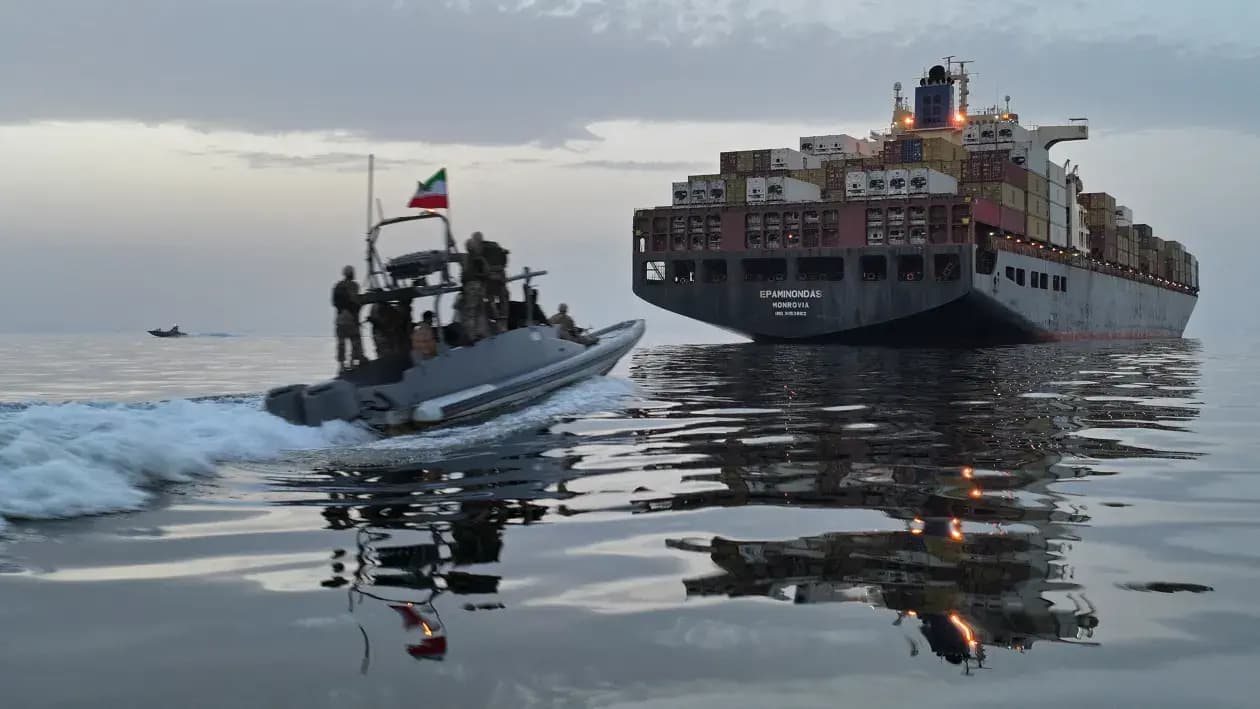
The warnings come as fears of renewed fighting have mounted, with the latest threats raising the prospect of fighting going beyond conventional military targets to critical communications infrastructure,resulting in disruptions to internet connectivity in Gulf countries already facing attacks on commercial shipping and energy facilities.
Speaking to Al-Alam, Javani said that if the United States and its allies attempted to damage Iranian infrastructure. “Internet cables will not be safe if our infrastructure is attacked,” he said.
In a separate video report, Al-Alam highlighted the importance of undersea cables to telecommunications, digital services and commercial activity, warning that another escalation could place critical digital infrastructure at risk. Al-Alam claimed that seven major cables passed beneath the waterway and could be destroyed.
Separately, an unnamed senior Iranian security official told state-owned English-language Press TV on Wednesday that Tehran had prepared for an "all-out, multi-layered, and comprehensive war" if the United States or Israel launched further attacks.
The source claimed Iran had made a definitive decision to respond to any new military attack, including killings and assassinations, "without any limits or restraint."
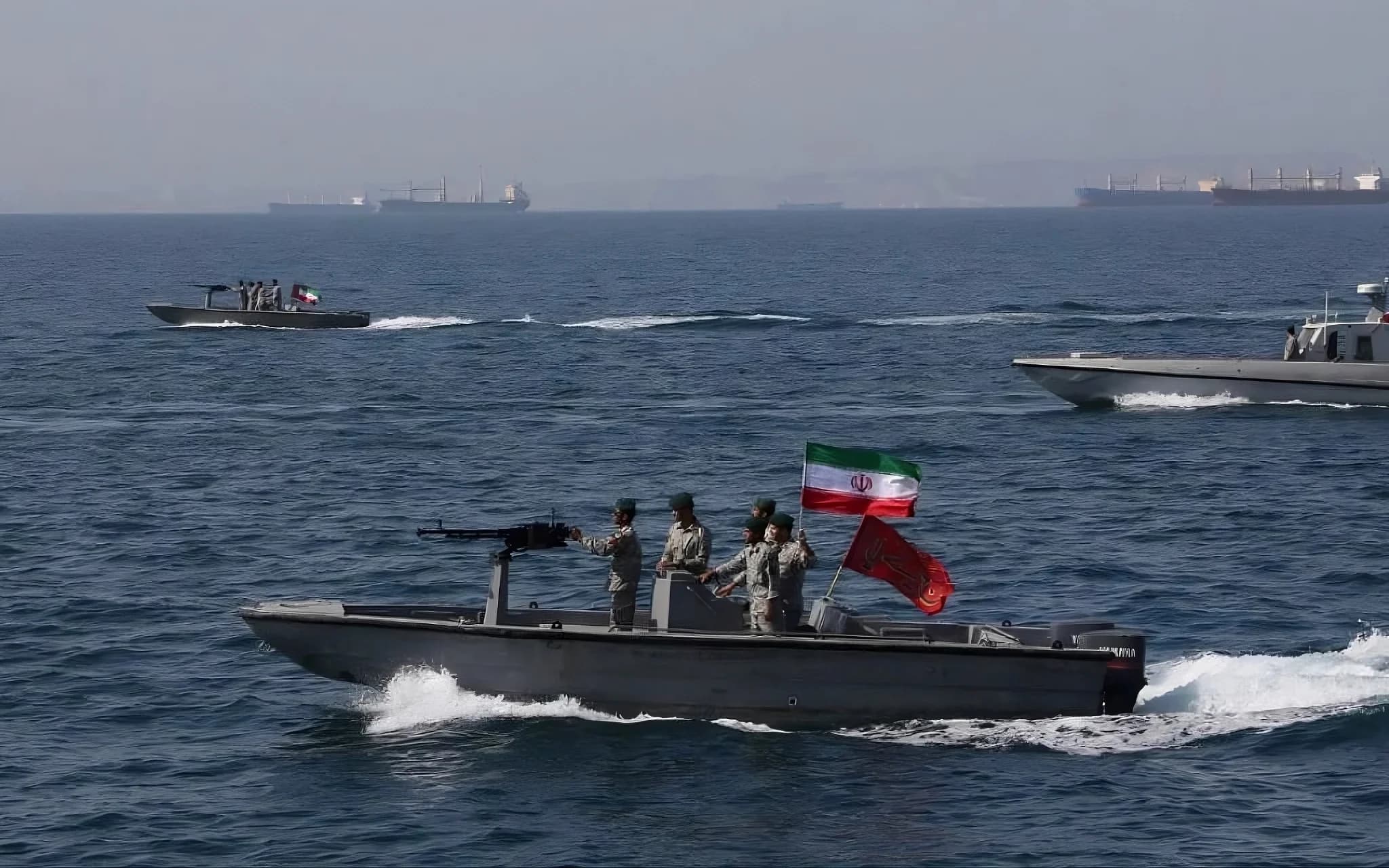
The official said Iranian forces were prepared to strike the interests and facilities of countries involved in an attack or supporting it throughout the region. The source also argued that Washington and Israel were effectively operating together and that Tehran would not distinguish between them in a renewed confrontation.
The threats follow earlier warnings from Iranian military officials that renewed US attacks would provoke a broader response involving weapons and targets not previously used in the conflict.
On Monday, IRGC spokesperson Hossein Mohebi also floated the idea of targeting undersea communications infrastructure, claiming that seven major cables passed beneath the Strait of Hormuz.
Qatar warned Tuesday that attacks on the cables would harm the region's own populations, including Iranians. Ibrahim bin Sultan Al Hashmi, director of the media and communication department at Qatar's foreign ministry, said Gulf countries would bear the greatest consequences of any damage, calling for an end to attacks in the waterway.
"If there is someone from the Iranian side, we would like them to ask themselves honestly and review their calculations... Who stands to lose the most if internet cables are severed?" al-Hashmi said during a press conference.
However, in a "frequently asked questions" for media, the International Cable Protection Committee (ICPC) states that five active submarine cable-system segments pass through the Strait of Hormuz alongside additional systems under development. Citing telecommunications research firm TeleGeography, the committee said the passage accounts for less than one percent of international bandwidth worldwide.
The committee said damage to cables in the strait would mainly damage regional rather than global connectivity, although disruptions could affect Gulf countries and require rerouting internet traffic through alternative undersea and land-based networks.