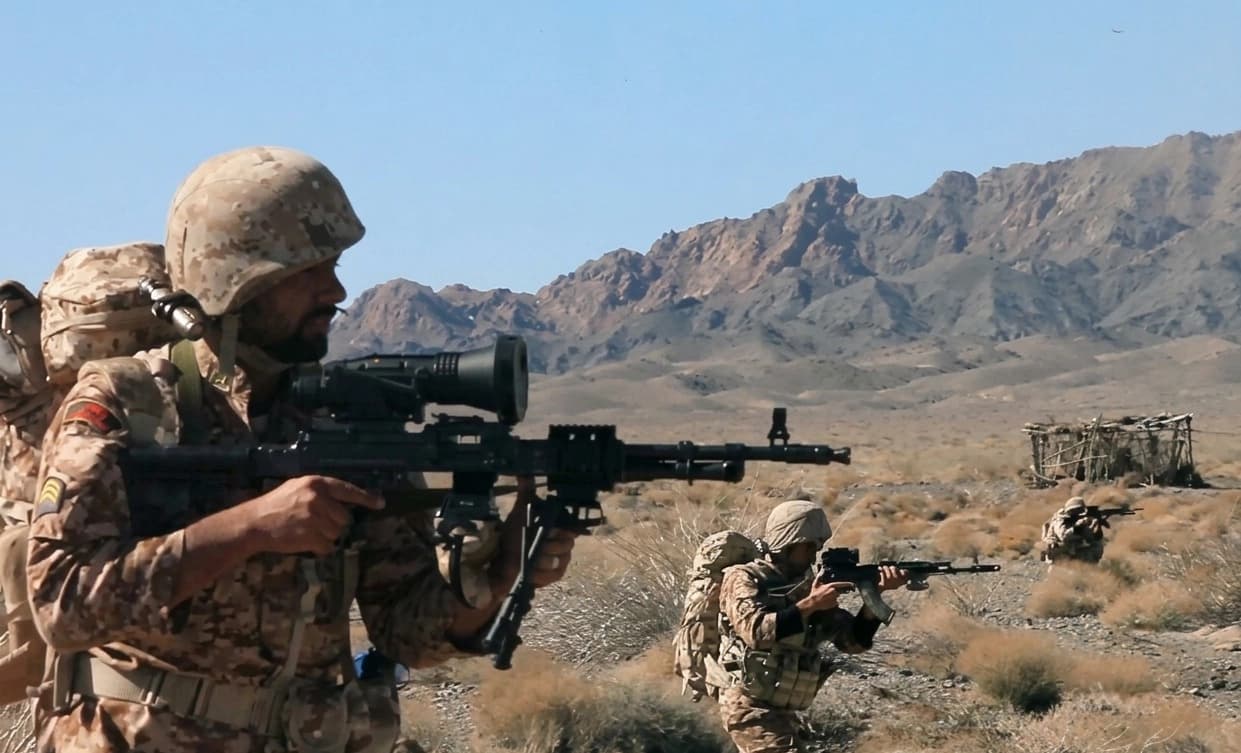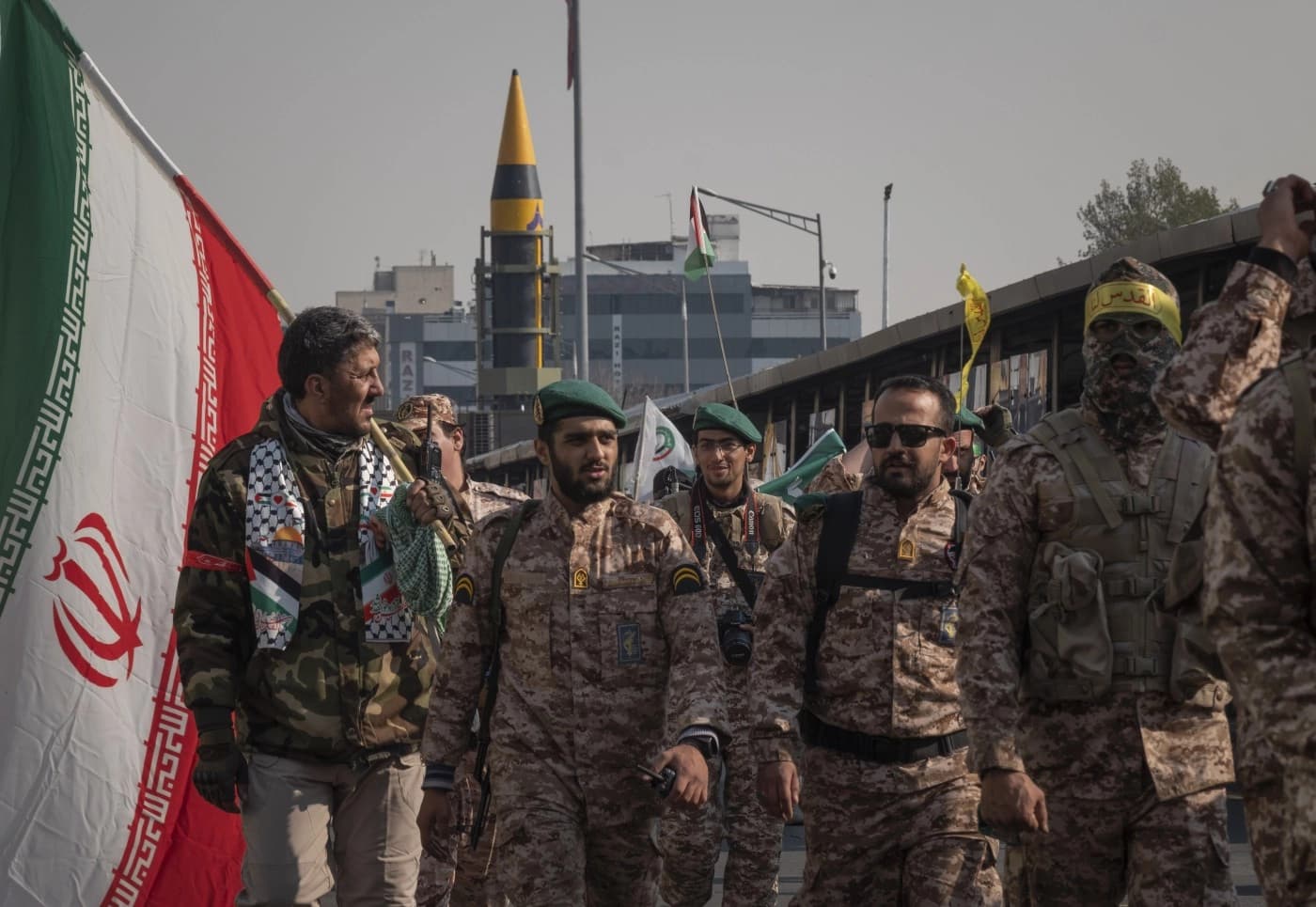

ERBIL, Kurdistan Region - Iran has deployed artillery and heavy weaponry to Kurdish areas in the west of the country as fears of a wider conflict grow in Israel and the United States, with the Islamic Revolutionary Guard Corps (IRGC) intensifying operations against armed opposition groups along the country's western and southeastern frontiers.
The Kurdistan Human Rights Network (KHRN) reported late Wednesday that IRGC forces and military convoys carrying heavy and semi-heavy weapons had been deployed from other provinces to several cities in Iran's Kurdish region, including Sanandaj, Kamyaran, Sarvabad, Marivan and Baneh.
An informed source in Kamyaran told the rights network that “hundreds of IRGC special forces, believed to be members of the entity's Saberin Unit, have been dispatched over the past few weeks in military convoys to areas surrounding villages on the slopes of Mount Shaho in Kamyaran County. “
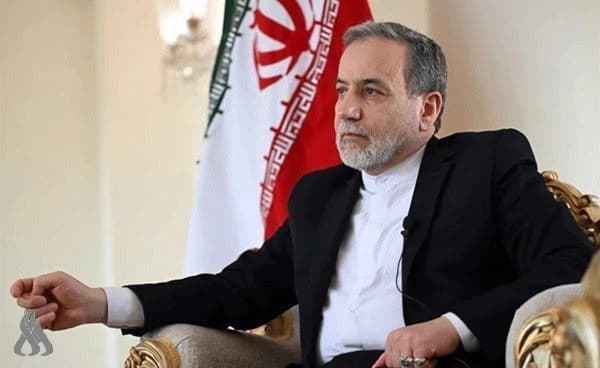
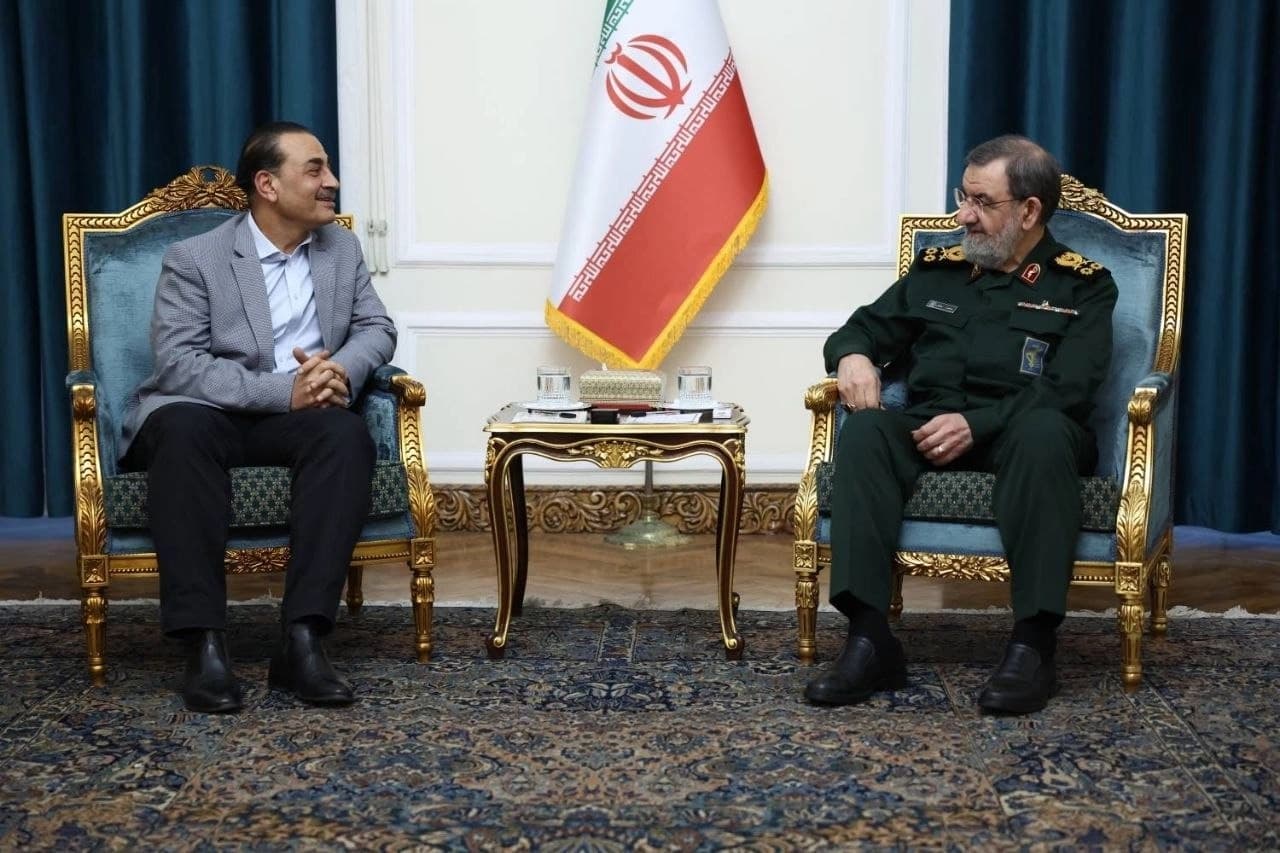
The military buildup comes as Tehran faces mounting geopolitical pressure amid its confrontation with Washington over the Strait of Hormuz and the nuclear issue. The US-imposed blockade, in place since mid-July, has severely strained Iran's economy and brought its oil exports to zero, while rhetoric about a potential wider war has intensified in Washington and Israel.
Meanwhile, the IRGC has mobilized thousands of Kurdish fighters aligned with the Iranian regime in Kurdish areas to counter potential attacks by Kurdish opposition groups. Tehran has also increased pressure on Iraq and the Kurdistan Regional Government (KRG) to restrict the groups' activities and disarm them.
The deployments coincide with escalating armed tensions on two fronts, with Kurdish opposition groups operating in western Iran and Baluch armed groups active in the southeast.
In western Iran, the Kurdistan Free Life Party (PJAK), an Iranian Kurdish opposition group with an armed presence in the region, said Monday that the IRGC had targeted mountainous and forested areas of Marivan the previous day “with two suicide drones, followed by more than 30 mortar shells and heavy weapons on Sunday.”
The group reported no casualties or injuries. On Saturday, it warned the IRGC that it would exercise its “right to self-defense” if attacks on its positions continued.
The clashes coincide with several drone strikes on the bases of Kurdish opposition groups inside the Kurdistan Region. On Wednesday, the IRGC fired two Hadid-110 drones at the bases of the Kurdistan Freedom Party near Mount Harir, 70km northeast of Erbil, with no casualties reported.
In southeastern Iran's Sistan-Baluchestan province, meanwhile, violence has also intensified as security forces clash with armed groups.
Baluch rights watchdog Haalvsh reported Wednesday that Iranian security forces shot and killed a Baluch man during a vehicle pursuit in Khash county early that morning, alleging that officers opened fire without warning. The IRGC-affiliated Tasnim News Agency offered a different account, saying police had come under fire after becoming suspicious of two vehicles near a gas station.
On Monday, two people were killed and several security personnel injured in another incident in the province, according to Haalvsh. Tasnim disputed reports of clashes in the area.
The parallel unrest in Iran's western and southeastern frontier regions underscores the security challenges facing Tehran as it confronts armed opposition groups at home and mounting external pressure abroad.