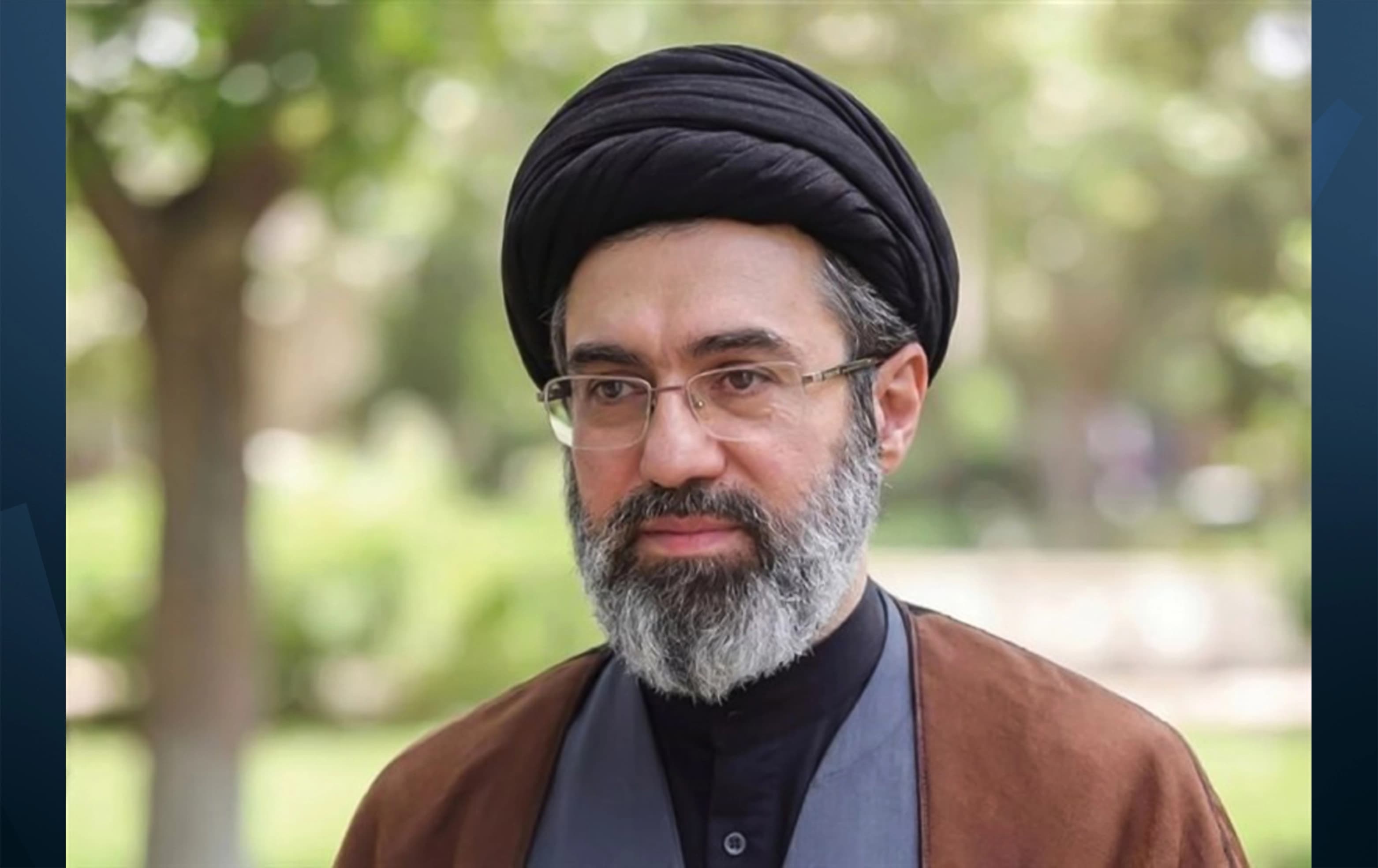

ERBIL, Kurdistan Region - Iran’s supreme leader Mojtaba Khamenei on Wednesday dismissed hopes that the outcome of the US midterm elections could shift Washington's policy toward Tehran. Those who believe concessions could persuade the United States to abandon its hostility toward the Iranian people are "seriously mistaken," he said, as other Iranian officials sounded more hopeful.
Senior Iranian officials have weighed in on the results of US midterms which carry potential implications for US foreign policy toward Iran. Democrats secured control of both the Congress and the House and flipped at least seven Senate seats in traditionally Republican states.
“If there are still those who harbor even the slightest hope for a change in behavior or shifts in partisan and factional alignments within the oppressive system, or who believe that by offering concessions to America they can dissuade it from enmity toward the Iranian nation, they are gravely mistaken,” Khamanei said in a statement carried by semi-official Fars News Agency.
Other Iranian officials offered a more positive assessment, saying the results showed that Americans had rejected the war that started in late February.
“Conscience or the cost of living, Americans said NO TO WAR, and we endorse this message,” Iranian parliament speaker Mohammed Bagher Ghalibaf said in a post on X.
The head of Iran’s Judiciary, Gholamhossein Mohseni Ejei, assessed that the elections marked one of several defeats. "Trump was defeated both in war and in politics. We will certainly inflict further defeats on him; this is only the beginning of what is yet to come."
Trump also partly blamed the electoral defeat on the Iran war but maintained that he had acted against Tehran. “Iran was a piece of it,” Trump told Wall Street Journal in a phone interview.
“I don’t think about it. I did the right thing. I would have done it again,” he said
The US and Israel launched an aerial campaign against Iran in late February against military targets in addition to senior leadership, including former Supreme Leader Ayatollah Khamanei, who was killed on the first day of the war. Iran responded by launching drones and rockets at US assets in the region. Iran subsequently retaliated by imposing an embargo on the Strait of Hormuz, a strategic waterway through which a quarter of the world’s energy supplies transited prior to the conflict.
A surge in gas prices are thought to have contributed to the unpopularity of the Republican Party among American voters, who have expressed broad dissatisfaction with US foreign policy on Iran throughout the war.
However, Trump indicated he was satisfied with the status quo of pressure and limited military engagement with Iran in an interview with the Financial Times on Tuesday.
“We seem to be getting everything we want,” Trump said in a telephone interview.
Trump’s comments come amid fears of a resumption in hostilities, after the President hinted at potential strikes on Iran's Pickaxe mountain, believed to be housing a nuclear installation.
Iran’s Foreign Ministry Spokesperson, Esmail Baghaei said in a post on X that American voters had sent Trump “a clear message” and that renewed hostilities would be a “grave miscalculation that will extend far beyond what they have already witnessed.”
Reuters reported that American forces struck Iranian targets on Qeshm Island on Monday, citing US officials who described the attacks as limited defensive measures targeting Iranian forces using surface-to-air missiles against American assets.
Iran state media likewise confirmed several explosions on Monday night in Qeshm as Trump confirmed on Tuesday that Washington had targeted an anti-aircraft facility in a “minor attack.”
“They built an anti-aircraft facility. It took them about two months; we watched it get built and as soon as it was completed, we hit it last night very nicely,” said Trump in a phone call with FOX News.