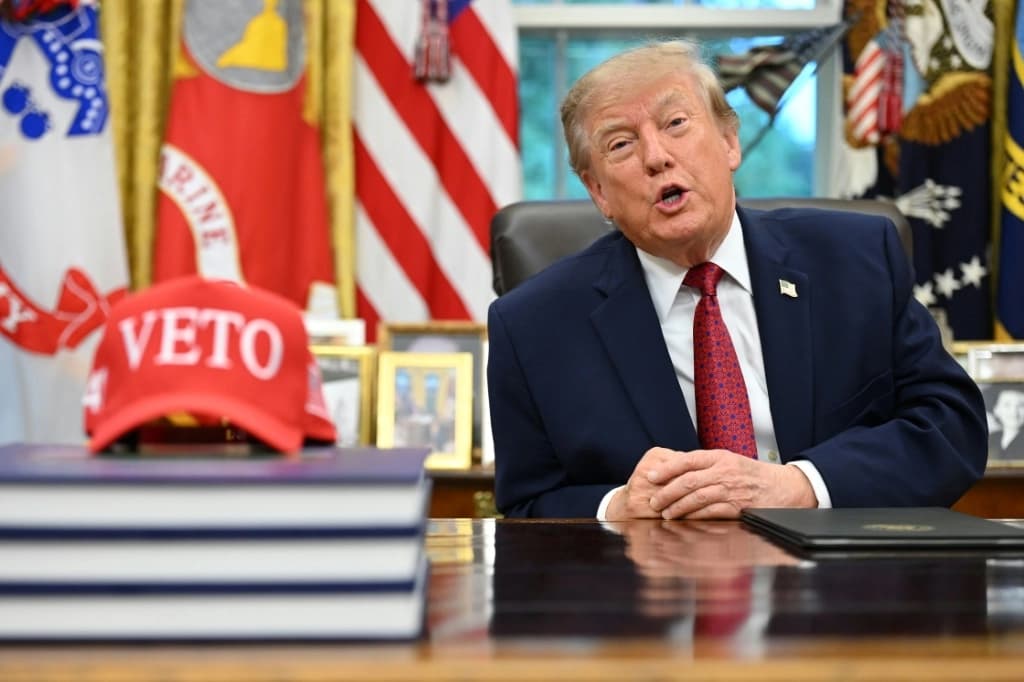

ERBIL, Kurdistan Region - An Islamic Revolutionary Guard Corps (IRGC) militiaman was killed on Friday night as US President Donald Trump confirmed that American forces had carried out a second strike on Iran in a week, saying they conduct “minor strikes” targeting anti-aircraft systems.
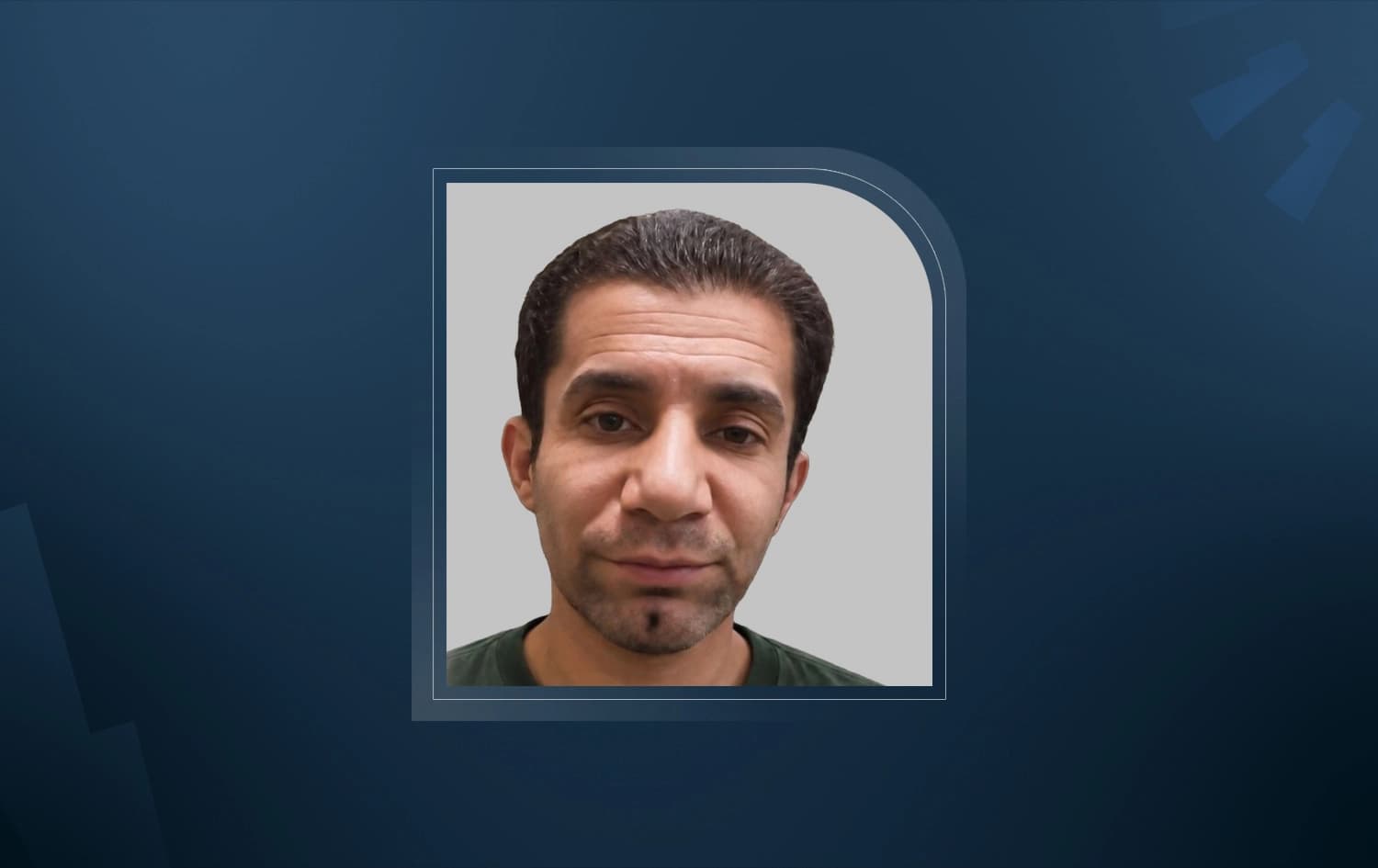
“Mehdi Mohammadzadeh, a Basij member serving with the Imam Hussein Battalion in Sari County, died late today [late Friday] while carrying out an assigned mission in an operational area in southern Iran,” Iran’s state-run IRIB news agency reported Saturday, citing a statement issued by the IRGC’s Karbala Corps in Mazandaran province.
The latest strikes mark the second US attack in a week on Iran’s Qeshm Island, in the Strait of Hormuz off Hormuzgan province. Trump has confirmed both attacks, saying US forces carry out “minor strikes.”
“They built a little bit of an anti-aircraft device, and we knocked it out in about 15 minutes, maybe five,” Trump told reporters on Saturday when asked whether the US had carried out strikes on Iran’s Qeshm Island.
According to the IRGC, the militiaman was killed while members of the 25th Karbala Special Division and other forces from Mazandaran province were “protecting Iran’s security along the strategic coastlines of the Strait of Hormuz.”
Citing an unnamed source, IRIB reported “two explosions were heard in the area of Suza, Qeshm Island of Hormuzgan province.”
Following that report in another statement Iran’s Army said “an MQ-9 drone belonging to the US was struck and destroyed in the skies over Qeshm by the fire of advanced systems operated by the Army’s Air Defense Force, under the country’s integrated air defense network,” reported IRIB.
“Over the past week or two, we have brought seven MQM-170 reconnaissance drones down safely and intact. This is nothing short of our technological superiority over the enemy,” said the IRGC spokesperson on Saturday.
The latest strikes come amid continuing tensions between Washington and Tehran following the war launched by the United States and Israel against Iran on February 28, which killed Iranian Supreme Leader Ali Khamenei and targeted the country's military and nuclear facilities. Iran retaliated by attacking Israel, US military bases and targets in neighbouring countries, while restricting shipping through the strategic Strait of Hormuz.
The Strait of Hormuz, through which around a fifth of global oil supplies passed before the war, has become a major flashpoint in the conflict, with Iranian attacks on commercial shipping prompting repeated US military responses.
The latest escalation also comes amid renewed diplomatic efforts to end the conflict, with Qatar mediating between Washington and Tehran. However, major differences remain over Iran's nuclear programme, sanctions relief and the reopening of the strategic waterway.
The US Treasury Department on Friday announced sanctions against eight Canada-based money services businesses accused of helping Iran and entities linked to the IRGC evade American sanctions. The Treasury said the companies facilitated the conversion of Iranian rials and other currencies into digital assets, including transactions involving sanctioned Iranian cryptocurrency exchanges and digital wallets associated with the IRGC.
The sanctions are part of Washington's Operation Economic Outcast, launched in August to disrupt financial networks supporting Tehran and the IRGC.