
ERBIL, Kurdistan Region - An Iranian analyst specializing in Israeli affairs has questioned whether faulty intelligence and Israeli deception influenced the Islamic Revolutionary Guard Corps' (IRGC) deadly January 2024 missile strike on Erbil, suggesting that parts of Iran's security establishment may have been manipulated into acting on false information. Former senior Iranian officials have repeatedly warned of deep Israeli penetration of the Islamic Republic.
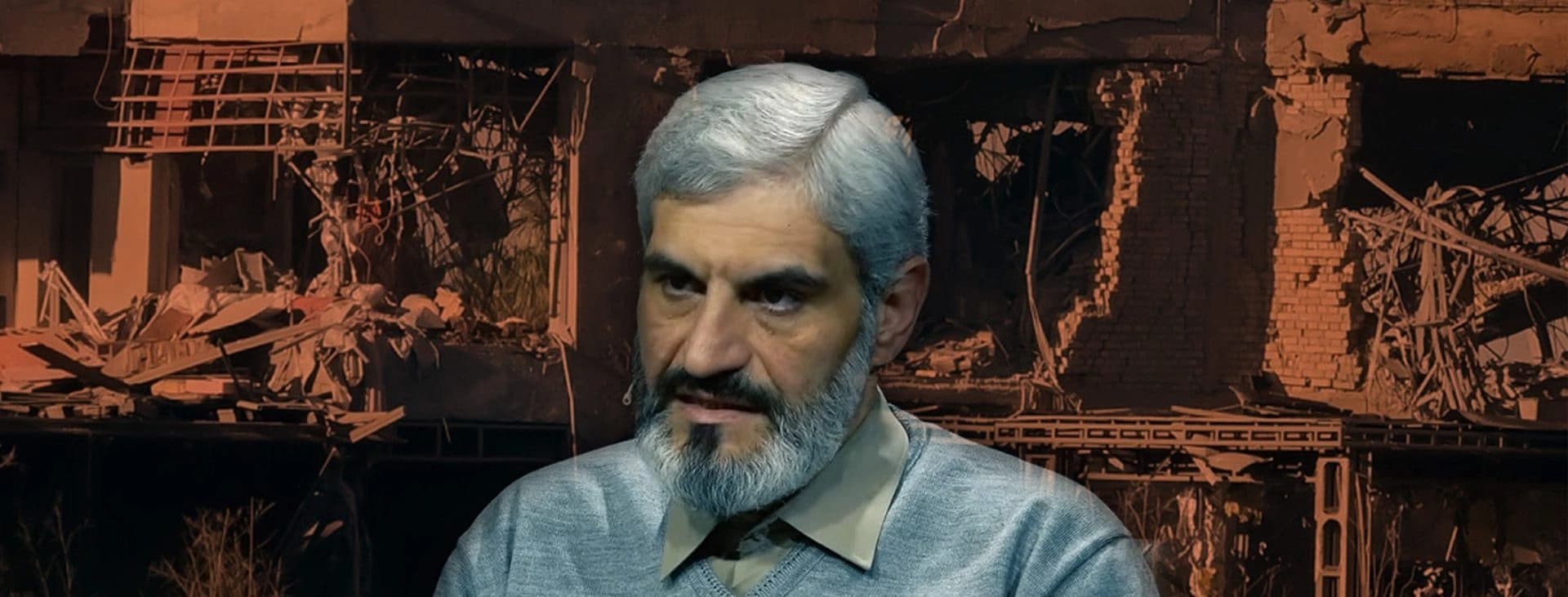
“This is going to be costly for me to say this, but unfortunately a considerable part of our security and military system perished in the puzzle [deceptive operation] that was designed by the enemy,” Ali Abdi, an analyst with close ties to the IRGC, said.
Abdi questioned intelligence reports alleging that senior operatives of Israel's Mossad intelligence agency had been killed in Erbil, including claims surrounding the January 15, 2024 attack that destroyed the residence of Kurdish businessman Peshraw Dizayee, killing him, his 11-month-old daughter and two other civilians.
The remarks raise questions about the intelligence underpinning an attack that Iranian authorities portrayed as a successful operation against an Israeli espionage center. Iraqi and Kurdish officials rejected Tehran's allegations, while a subsequent Rudaw investigation exposed manipulated photographs circulated by Iranian state and IRGC-affiliated media to support claims that Dizayee had ties to Mossad.
Abdi said Iranian media had repeatedly circulated claims about Israeli intelligence operatives being targeted in Erbil following the US assassination of IRGC Quds Force commander Qassem Soleimani in January 2020.
He specifically questioned the intelligence surrounding the strike carried out under then-IRGC Aerospace Force commander Amir Ali Hajizadeh, suggesting that Israeli deception could have influenced Iranian assessments and military decisions.
According to Abdi, the danger of Israeli intelligence penetration extends beyond the theft of classified information to the possibility of feeding Iranian institutions misleading intelligence and manipulating their responses.
To illustrate his concerns, Abdi recalled examining photographs and online material concerning Israeli-American security contractor Elan Nissim, whom Iranian media had described as a Mossad operative involved in training Kurdish forces in the Kurdistan Region.
He questioned why someone supposedly conducting covert intelligence operations would openly maintain a website detailing his professional background, security training activities and photographs.
Abdi also expressed skepticism about material connecting Nissim to the 1982 disappearance of IRGC commander Ahmad Motevaselian in Lebanon, saying the chronology and photographs did not withstand scrutiny.
“And look how far they went along with this narrative!” Abdi said.
“I remember that night, or perhaps the day these reports emerged, I began challenging my colleagues about it. One of the most active media organizations associated with the revolutionary camp was making a tremendous amount of noise and publicity about the story,” he recalled.
“I started raising these questions and challenging the claims. Eventually, my colleagues told me, ‘Enough already. Stop pursuing this. We’ve just managed to hit someone, so don’t make such a big issue out of it.’”
The concerns echo findings from a Rudaw English investigation published on January 22, 2024, which exposed photographs manipulated to suggest links between Dizayee and Israeli intelligence.
One photograph circulated by Iran's state-run English-speaking Press TV purported to show Dizayee alongside an alleged Israeli operative and Kurdish fighters. However, the original image did not include Dizayee.
Another altered photograph falsely placed Dizayee alongside a Jewish rabbi.
Press TV subsequently removed the photographs, acknowledging that it could not independently verify their authenticity, but maintained its allegations against the businessman.
The IRGC-affiliated Tasnim News Agency also circulated the altered photographs before distancing itself from responsibility for their authenticity.
Iraqi authorities likewise challenged Tehran's justification for the strike.
On January 16, 2024, Iraqi National Security Adviser Qasim al-Araji visited the destroyed residence as part of a government investigation and dismissed the claim that it housed a Mossad base as “baseless.”
An Iraqi parliamentary committee subsequently concluded that the targeted property was a civilian residence rather than an intelligence facility.
On February 7, Fadi al-Shammari, an adviser to then-Iraqi prime minister Mohammed Shia' al-Sudani, told Rudaw that Tehran had not provided evidence substantiating its allegations.
“There is no evidence until now,” Shammari said.
Abdi's criticism comes against a broader backdrop of warnings from Iranian officials about Israeli intelligence penetration within the Islamic Republic.
In June 2021, former Iranian intelligence minister Ali Younesi warned in an interview with the pro-establishment Jamaran news website that Mossad had infiltrated Iranian institutions so extensively that senior officials should fear for their lives.
That same month, former president Mahmoud Ahmadinejad alleged that the Iranian intelligence official responsible for countering Israeli espionage was himself an Israeli agent. The intelligence ministry rejected the allegation.
More recently, senior IRGC commander Mohammad Jafar Asadi warned about the extent of hostile intelligence penetration and Iran's vulnerabilities to surveillance and intelligence gathering in an interview with the Iranian military news agency Defa Press on November 16.
His remarks came after the US-Israeli war launched in February exposed significant vulnerabilities within Iran's military and security establishment, including the ability of foreign intelligence services to identify and target senior officials.
Although Abdi's assessment does not establish that Israeli disinformation directly caused the January 2024 strike, his remarks highlight concerns within pro-establishment Iranian circles about the reliability of intelligence used to justify military operations.
Nearly three years after the attack, Tehran has yet to publicly substantiate its claim that Dizayee's residence was a Mossad facility.