
ERBIL, Kurdistan Region - The US Treasury on Monday added eight individuals and 22 entities to its sanctions list, accusing them of helping Iran move billions of dollars through international financial networks and access foreign currency.
“As part of Operation Economic Outcast, the U.S. Department of the Treasury sanctioned over two dozen Iranian exchange houses, front companies, and key personnel in a sweeping effort to disrupt Iran’s global shadow banking networks,” the Treasury statement read.
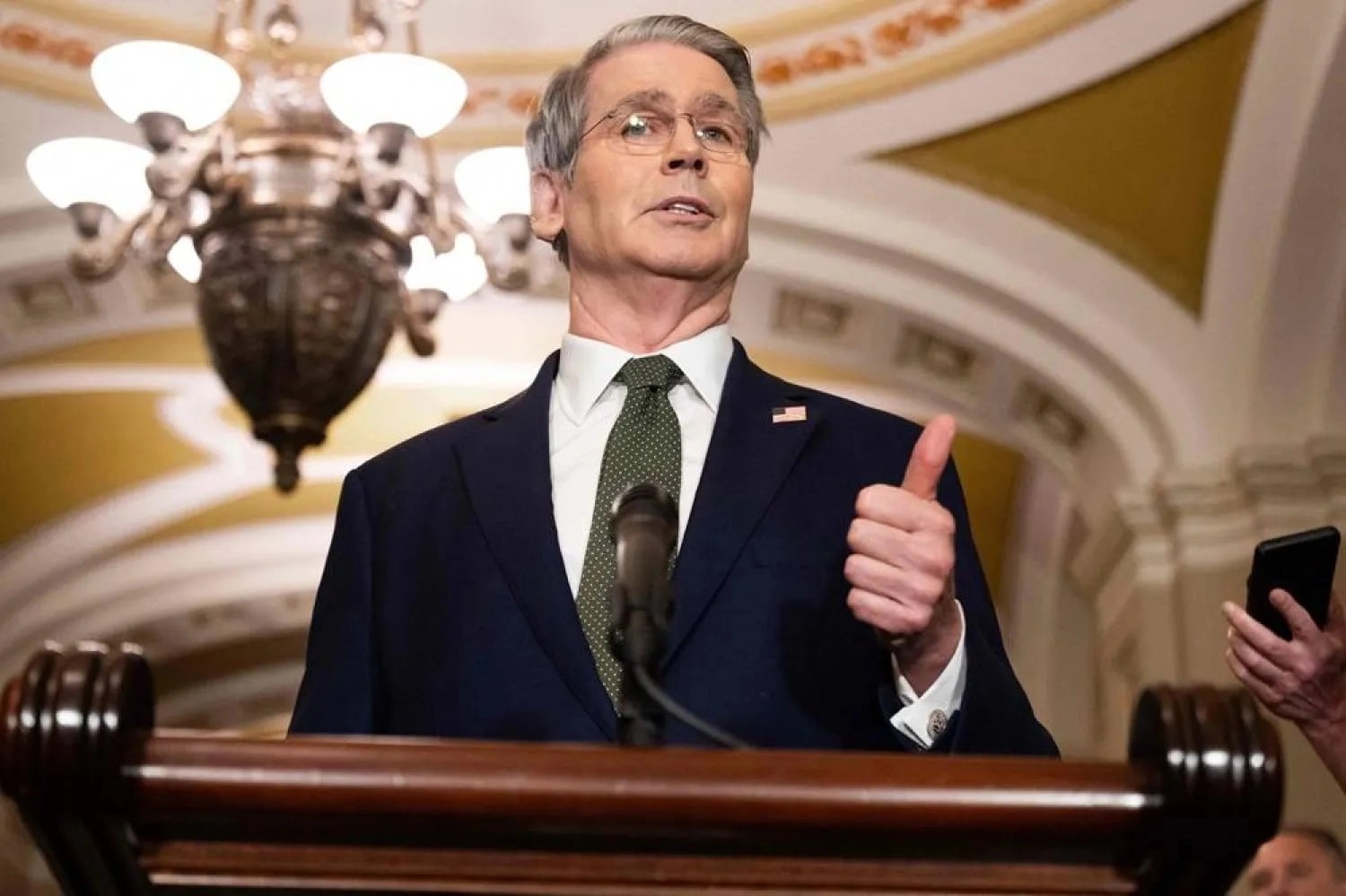
Treasury Secretary Scott Bessent described the country’s shadow banking system as “the last financial lifeline of a bankrupt regime.”
The sanctions are part of a broader US campaign known as Operation Economic Outcast, launched by the Treasury in August. The operation aims to cut off financial channels that Washington says Iran uses to smuggle oil and “move billions of dollars through the international financial system to provide the regime access to foreign currency despite comprehensive sanctions.”
The Treasury said Iran’s shadow banking system is overseen by the Central Bank of Iran and relies on dozens of currency exchange houses and bank-affiliated companies, known as “rahbar” companies, to move money for Iranian clients.
It said these businesses use thousands of front companies - firms used to conceal who is behind financial transactions – in several countries, particularly the United Arab Emirates and Hong Kong, to move billions of dollars.
Since its launch, the US has targeted banks, financial institutions and business intermediaries in several countries, warning that those helping Iran evade sanctions risk losing access to the US financial system.
In Monday’s announcement, the Treasury said companies in the UAE, Turkey and Hong Kong had been used to make thousands of cross-border payments on behalf of Iranian clients. It cited Dubai-based OGA Global, which it said oversaw millions of dollars in payments for the National Iranian Tanker Company, which operates Iran’s state-owned oil tanker fleet.
The sanctions also target Iran’s Center for Exchange of Currency and Gold, which the Treasury said “provides the financial plumbing to match exporters, who earn foreign currency from sales abroad, to importers, who need foreign currency to purchase goods, for tens of billions of dollars’ worth of trade every year.”
Iranian authorities have long condemned sanctions.
Iranian Foreign Ministry spokesperson Esmaeil Baghaei said on Monday that Tehran was entitled to use “any means necessary” to counter what he described as unlawful US measures.
He added that options under consideration included political and military steps, without providing further details, according to Tasnim news agency, affiliated with the Iranian Revolutionary Guard Corps (IRGC).
The sanctions come amid rising tensions between Washington and Tehran.
US President Donald Trump has threatened to resume military strikes against Iran after January 1 if negotiations fail, accusing Iranian negotiators of stalling. He also warned that Iranian vessels attempting to challenge the US naval blockade would be sunk.
The latest measures follow another round of US sanctions on Friday targeting four individuals accused of facilitating Iranian oil sales and withholding billions of dollars in revenue.
Washington said intermediaries were holding billions of dollars in oil proceeds owed to the Iranian government.