
ERBIL, Kurdistan Region - Following the introduction of new harsh measures aimed at preventing defiance of Iran’s compulsory hijab law, business owners in the country now fear closure of their stores as authorities prohibit service to women who do not adhere to the law.
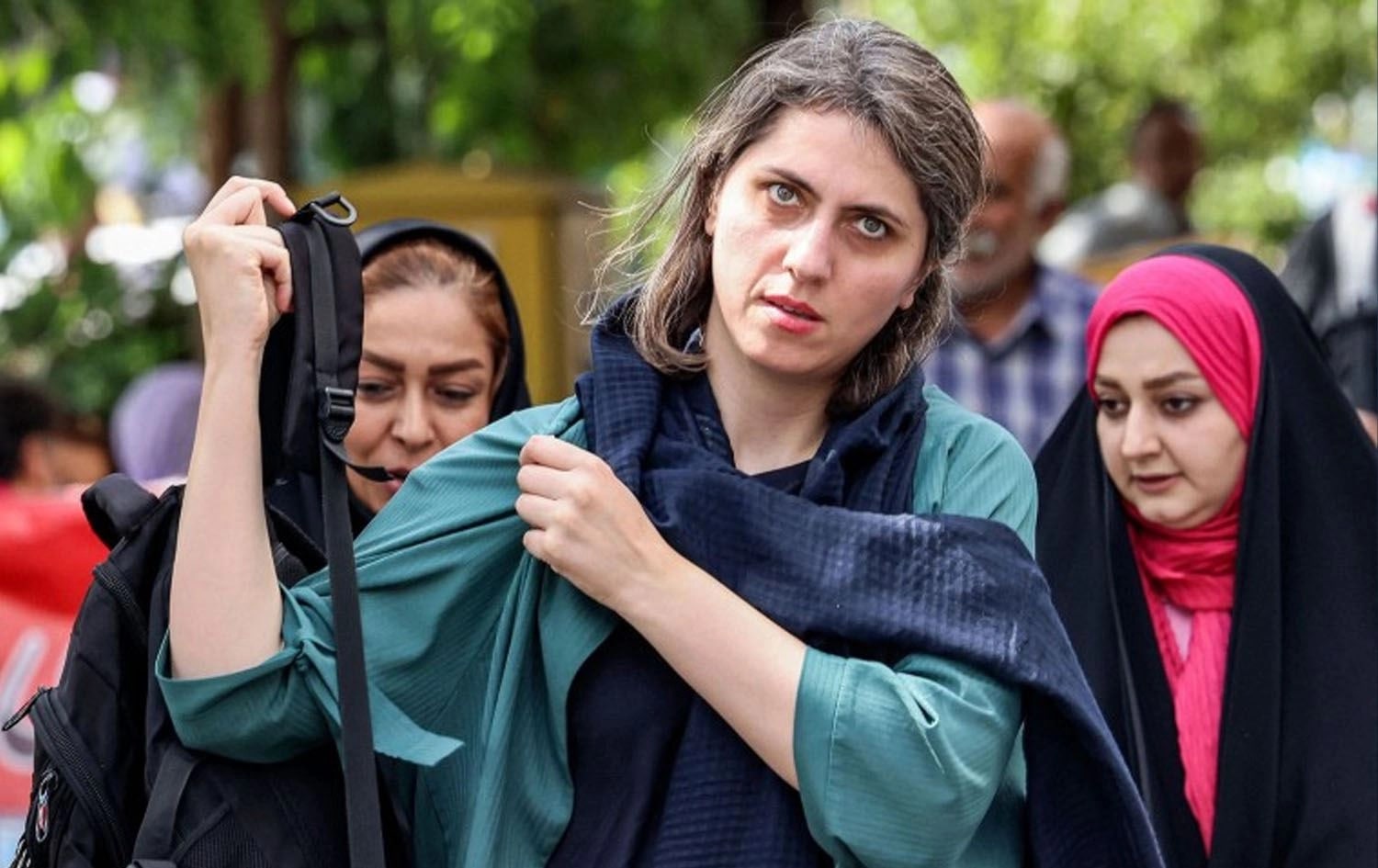
On Saturday, the Iranian government announced new measures to enforce the mandatory hijab law. The series of measures, dubbed by Tehran as “Nour” [Arabic for light] include morality police being stationed in public places with the order to detain women wearing a lax hijab.
The law also targets stores and businesses providing services to women who do not wear the hijab with fines and the threat of closure.
Zhina Mudaras Gurji, a human rights activist and the owner of Zhira bookstore in the Kurdish city of Sanandaj, in western Iran, is one of the many who has been impacted by these new measures.
“I was informed about the closure of my store via an SMS from Amakin, the directorate responsible for managing the stores,” Gurji told Rudaw English.
Gurji noted that upon heading to the directorate to follow up on the reason behind the decision, she saw tens of other young business owners who found themselves in a similar situation, also having their places shut down by the authorities.
“This comes at this time of inflation and depreciation of the toman [local currency], the shop owners are under pressure and debt, and many people will suffer from this decision," she stressed.
Earlier this week, the value of the Iranian toman against the US dollar fell to 70,000, down from an already unprecedented low of 64,000 a week before.
In 2015, the toman was about 4,000 against the US dollar.
“This new government decision means that many shop owners will go bankrupt, and it is not our fault, we cannot force our customers to wear the scarf,” Purya*, the 28-year-old owner of a clothing store in Sanandaj told Rudaw English.
According to Purya, over 80 percent of the customers in the mall where his shop is located do not abide by the hijab law, and turning them away means heading toward bankruptcy.
Widespread anti-government protests engulfed Iran in September 2022 following the death of Kurdish woman Zhina (Mahsa) Amini while in police custody over allegedly violating the Islamic Republic’s hijab laws.
Women have been obliged to cover their heads with a veil since the Islamic revolution of 1979 which saw the rise to power of the current regime.
During the protests in 2022, the veil had become a symbol of Iranian women’s struggle, with images and videos of them removing their headscarves going viral.
The nationwide protests sparked by Amini's death posed the biggest threat to the Iranian regime in 40 years. Protestors chanting “Jin, Jiyan, Azadi” (Woman, Life, Freedom) started by calling for greater freedoms, with the movement then growing into an anti-government revolution met by harsh repression by the authorities.
In March, Amnesty International said in a report that Iranian authorities are subjecting women to “draconian” punishments through surveillance and mass car confiscations to enforce compulsory hijab laws.
“Iranian authorities are waging a large-scale campaign to enforce repressive compulsory veiling laws through widespread surveillance of women and girls in public spaces and mass police checks targeting women drivers,” the international human rights organization noted in a report, based on testimonies from over 40 women ahead of the International Women’s Day.
According to the report, Iranian police regularly confiscate the cars of female drivers or passengers not wearing headscarves or wearing “inappropriate” ones.
In January, Iranian woman Roya Heshmati was sentenced to 74 lashes after appearing unveiled in public, Amnesty said.
In September 2023, Iran’s parliament approved the “Bill to Support the Culture of Chastity and Hijab,” which would grant security forces additional powers to further crack down on violators of the compulsory hijab.
*Names have been changed to protect their identities