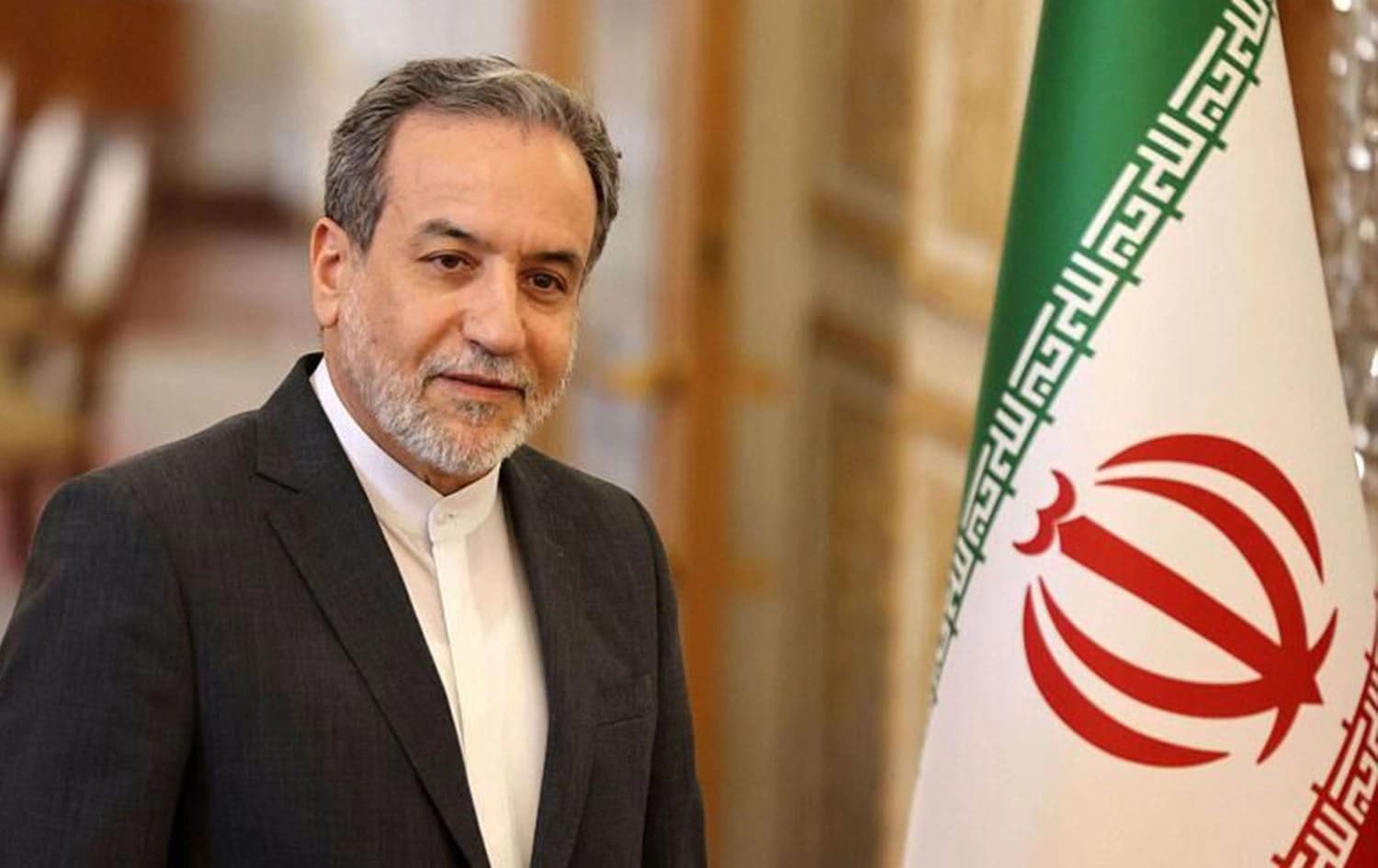

ERBIL, Kurdistan Region - Iranian Foreign Minister Abbas Araghchi on Monday condemned countries advancing their nuclear weapons programs and increasing their stockpiles of nuclear warheads as part of their security strategies.
Speaking at the United Nations Conference on Disarmament in Geneva, Aragchi asserted that “contrary to claims about Iran's nuclear program, the real threat today stems from nuclear-armed states, which collectively possess more than 12,000 nuclear warheads.”
He further expressed concern over the efforts of nuclear states “to increase the number and quality of [their] warheads,” and “to develop new types of nuclear weapons.” Aragchi slammed these countries’ use of nuclear weapons threats - especially Israel - as part of “their security doctrines.”
The Iranian foreign minister urged “holding nuclear states accountable,” warning that the failure to do so would undermine the “disarmament and arms control system” established by the Treaty on the Non-Proliferation of Nuclear Weapons (NPT).
In 2015, Iran signed a nuclear agreement with the P5+1 (Britain, France, Germany, Russia, China and the United States), formally known as the Joint Comprehensive Plan of Action (JCPOA). Tehran agreed to limit its nuclear enrichment program in exchange for much-needed sanctions relief.
In December, Iran warned European signatories of the 2015 deal that the possible activation of the agreement's “snapback” provisions - triggering the reinstatement of UN Security Council sanctions - would compel Tehran to exit the NPT. The “snapback” mechanism is set to expire in the autumn of 2025.
Meanwhile, in early February, the US President Donald Trump restored the maximum pressure policy against Iran, arguing that Tehran is “too close” to obtaining nuclear weapons. In the same address, Trump also expressed interest in negotiating a deal with Iran. For its part, Tehran has repeatedly denied any intentions of developing nuclear weapons, maintaining that its nuclear program is peaceful.