
ERBIL, Kurdistan Region - Iran on Sunday said it waited for compensation from the United States following its 2018 withdrawal from the nuclear deal and that Tehran’s nuclear commitments remain reversible under favorable circumstances.
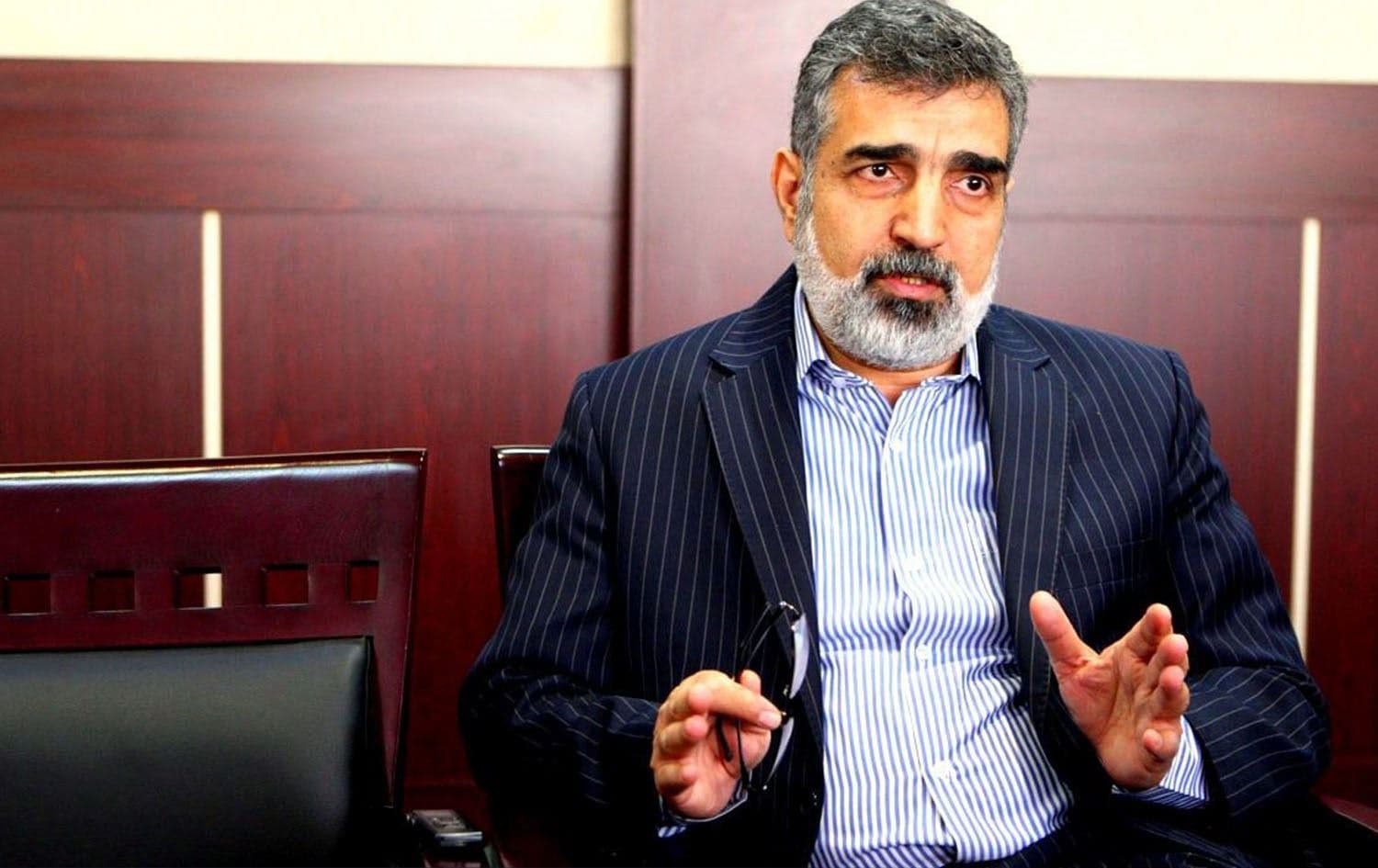
“We waited a year after the US withdrew from the JCPOA [Joint Comprehensive Plan of Action], hoping that the conditions would be right and that the situation would develop in such a way that compensation could be provided for their losses,” said Behrouz Kamalvandi, the spokesperson for the Atomic Energy Organization of Iran (AEOI), as quoted by Iran’s state IRNA news agency.
Kamalvandi said that Tehran “suspended some of its commitments” after Washington withdrew from the landmark accord.
“We have always emphasized that these commitments can be returned, provided that the rights of the Islamic Republic of Iran are not ignored,” he stressed.
Under a 2015 nuclear deal with world powers, known as the JCPOA, Iran agreed to curb its nuclear enrichment program in exchange for much-needed relief from crippling sanctions.
But the deal began unraveling in 2018, when Washington, under Trump’s administration, unilaterally withdrew from the accord and re-imposed sanctions on the Islamic republic, which in turn began stepping up its nuclear enrichment efforts.
Soon after returning to power this year, Trump restored his “maximum pressure” policy that authorized sanctions with the goal of preventing Iran from obtaining a nuclear weapon or expanding its missile program, warning that Tehran is “too close” to a nuclear weapon.
Trump has said that he would be open to making a new nuclear deal with Tehran, but in February, Iranian Supreme Leader Ayatollah Khamenei said it would be “unwise” to negotiate with the US.
In March, Trump said that he had sent a letter to Khamenei, asking that nuclear negotiations be restarted. He warned that “if we have to go in militarily, it’s going to be a terrible thing for them [Iran].”
According to Kamalvandi, “Iran is under the highest inspections” from the international community.
“Perhaps no country is under as much surveillance as we are. Although we have a transparent program, unfortunately, things are said in the media that we do not deserve,” he said.
Iran’s Foreign Minister Abbas Araghchi on Thursday said that Trump’s letter to restart nuclear talks with Tehran contained both threats and opportunities and that Tehran would respond in due time but would not negotiate directly, in light of the ongoing pressure and sanctions.
Tensions surrounding Iran’s nuclear program have escalated recently. A December report by the IAEA suggested that Tehran plans to “significantly increase” its uranium enrichment to 60 percent, inching closer to the 90 percent required for a nuclear weapon.
Tehran has repeatedly denied that it seeks to develop an atomic bomb, saying that such a move goes against the Islamic republic’s doctrine.