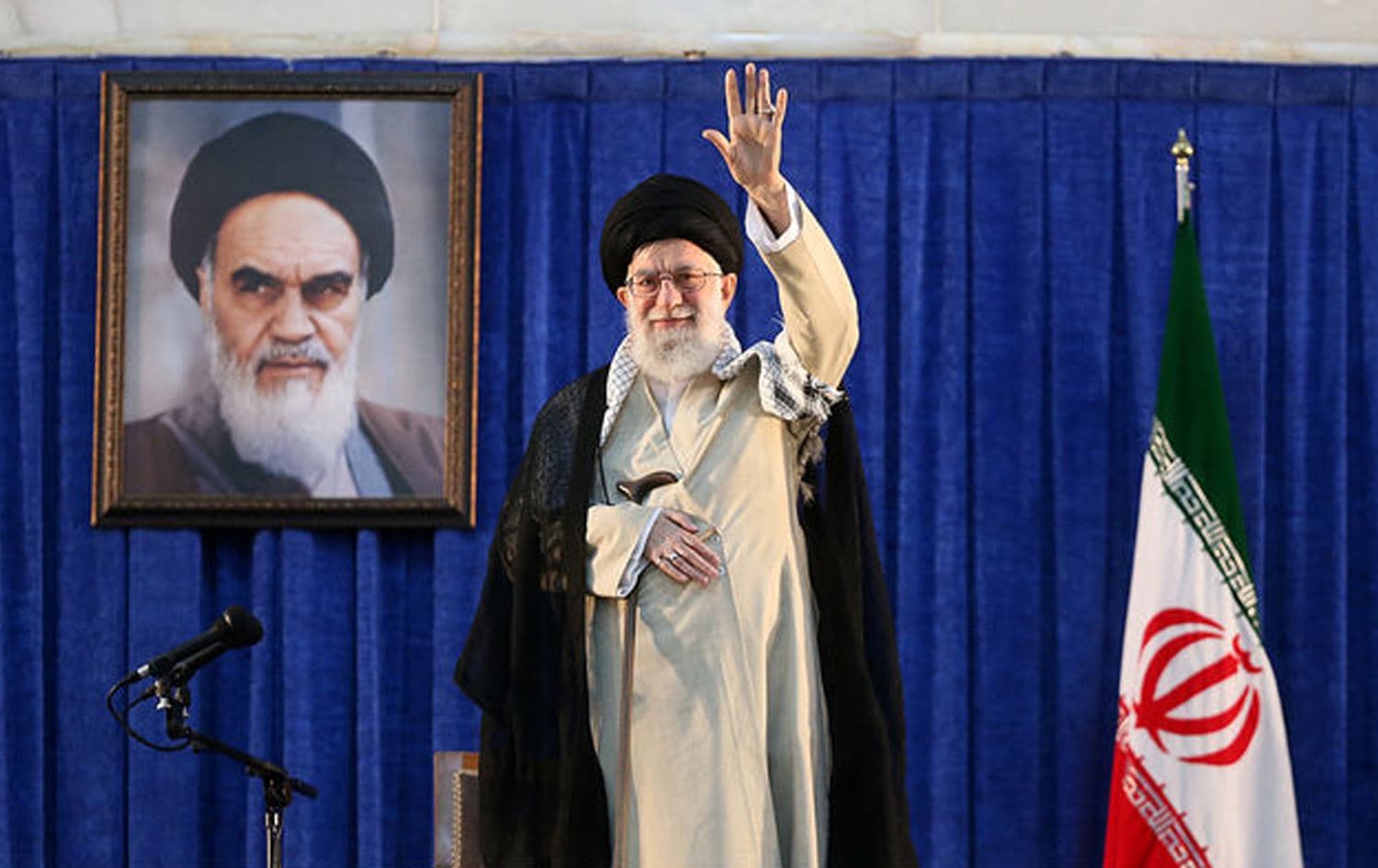

ERBIL, Kurdistan Region - Iran’s constitution does not explicitly foresee the killing of the supreme leader. Instead, it outlines a mechanism for selecting a successor in the event of death, resignation, dismissal, or incapacity.
Selection of the supreme leader
Under Article 107 of the Constitution of the Islamic Republic of Iran, the supreme leader is chosen by the Assembly of Experts, which also holds the authority to dismiss him. A candidate must secure a two-thirds majority vote of the assembly’s members to be appointed.
The Assembly of Experts consists of 88 clerics elected to represent Iran’s provinces. Each province is allocated one or more seats based on population. Tehran has the largest representation with 16 seats, followed by Razavi Khorasan and Khuzestan with six seats each, and Isfahan, East Azerbaijan, and Fars with five seats each.
Candidates for the Assembly of Experts must first have their qualifications approved by Iran’s Guardian Council. Half of the Guardian Council’s members, as well as its head, are appointed by the supreme leader.
Powers of the supreme leader
Article 110 of Iran’s constitution grants the supreme leader extensive authority, including:
Setting Iran’s general domestic and foreign policies and supervising their implementation
Serving as commander-in-chief of the armed forces
Declaring war or ceasefire and approving referendums
Overseeing the legislative, executive, and judicial branches
Resolving disputes among state institutions
Endorsing the president’s appointment and dismissing the president if necessary
Appointing the head of the judiciary
Appointing and dismissing senior military commanders
Appointing half of the Guardian Council’s members
Appointing the head of Iran’s state radio and television organization
Appointing the head and members of the Expediency Discernment Council
Appointing senior officials to key religious, economic, and cultural institutions
Exercising authority over major economic holdings
Issuing general amnesties for convicts
Qualifications for leadership
Article 109 of the Constitution outlines three core qualifications required of a supreme leader:
Sufficient religious expertise in Islamic jurisprudence
Justice, piety and faith necessary to lead the Islamic ummah
Proven political, social and administrative competence
Interim leadership mechanism
Article 111 states that if the supreme leader is unable to fulfill his duties or no longer meets constitutional requirements, he is dismissed. While the article does not explicitly address killiing, it specifies that in the event of death or resignation, the Assembly of Experts must elect a new leader as soon as possible.
Until a successor is chosen, the constitution mandates that a temporary leadership council assume the leader’s duties. This council consists of the president, the head of the judiciary, and one Islamic jurist from the Guardian Council selected by the Assembly of Experts.