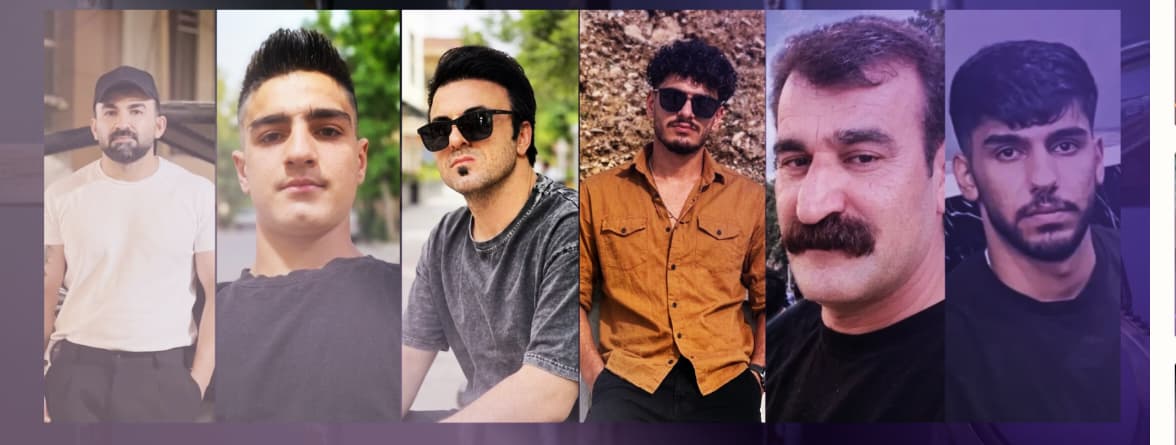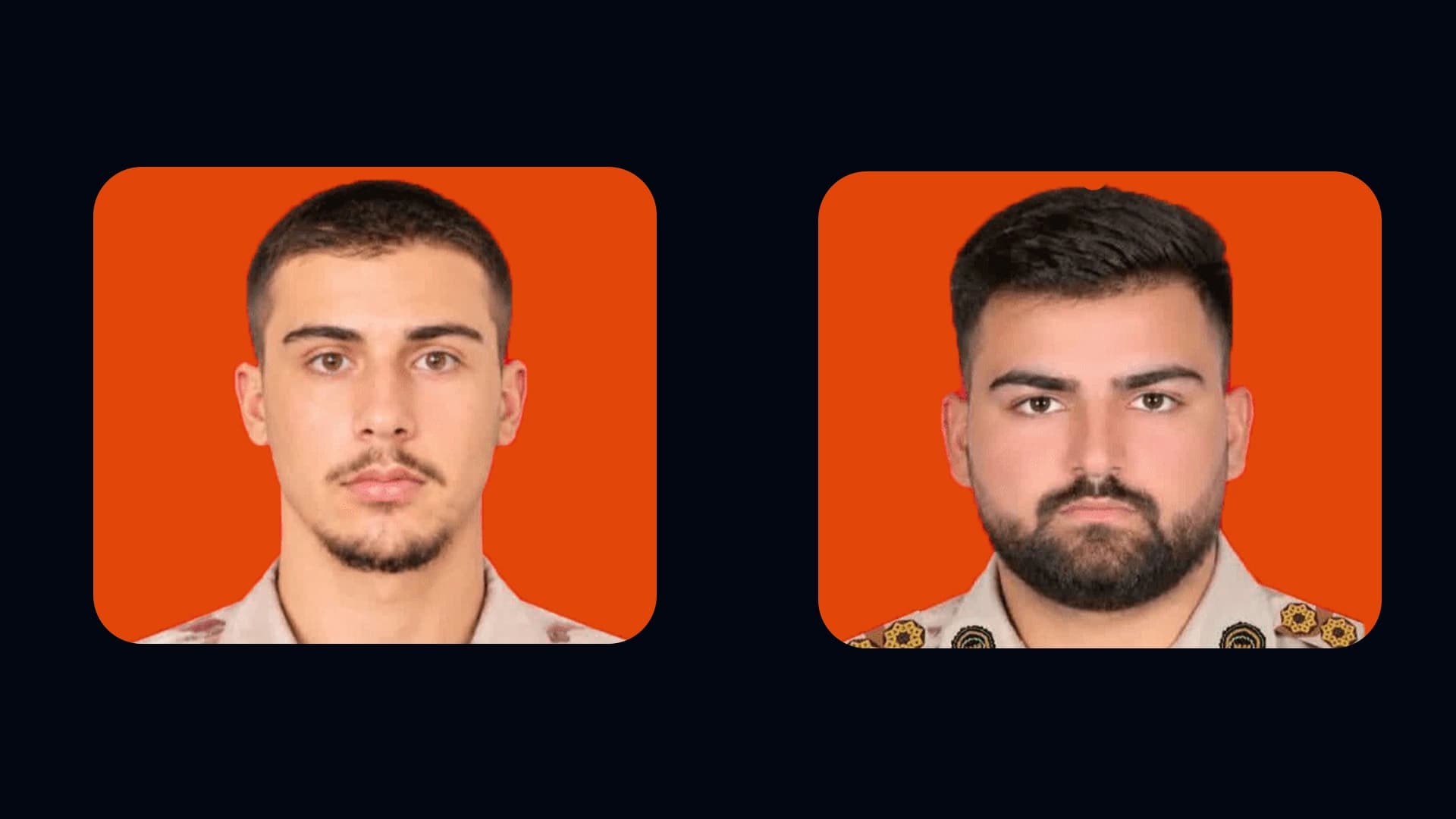

ERBIL, Kurdistan Region - European Parliament on Thursday adopted a resolution censuring the “largest mass murder of protesters” in Iran’s history through executions during and after the latest war with the United States and Israel. It urged member states to close Iranian diplomatic offices on their territories while tightening the sanctions on the country to their maximum level.
The European parliament “strongly condemn the death penalty as a measure to deter political mobilization” and “deplore the secret execution of dissidents in March and April, including minors and demand Iranian authorities to immediately release all political prisoners,” the legislature said in a statement.
Iran has come under fire for conducting and expediting summary trials during and after its war against the US and Israel - which started on February 28 and tenuously ended with a ceasefire agreement on April 8.
Watchdog organizations have verified between 25 and 35 political executions since the beginning of the conflict, overwhelmingly on charges of espionage and “spying for Israel.”
As a measure against the executions, the EU parliament called on the member states “close Iranian diplomatic missions associated with the transnational repression and put all sanctions into force.”
It has suggested “further” expanding sanctions on the Islamic Revolutionary Guard Corps (IRGC) and “entities associated with the Supreme Leader [Mojtaba Khamenei].”
“Members of the IRGC and loyal family members should be banned from entering the EU,” the statement noted.
Furthermore, the EU legislative body cited a warning by the UN independent fact-finding mission on Iran that Tehran’s “oppression is leading to crimes against humanity."
The statement also urged the EU and “like-minded partners” to provide “safe and secure” internet access for Iranians.
NetBlocks, a global internet access monitor, reported on Wednesday that Iran’s blackout had reached 82 days, marking the longest nationwide internet shutdown recorded in any country.
Iran’s police chief, Ahmad Reza, said on Monday that they had arrested more than 6,500 “traitors to the homeland and spies” since the outbreak of the war.
Volker Turk, the UN High Commissioner for Human Rights, stated in April that he is “appalled that - on top of the already severe impacts of the [Iran-Israel-US] conflict - the rights of the Iranian people continue to be stripped from them by the authorities in harsh and brutal ways.”
While some of the executed individuals were arrested during the wartime, others include protesters associated with the nationwide January protests that started against the backdrop of worsening inflation, lack of public services, and soaring prices.
About 22,000 people were killed in the protests, including 6,000 by live bullets and 17,000 others under investigation, according to the US-based Human Rights Activists News Agency. Other sources placed the death toll at above 30,000 while the Iranian government said it was around 3,000.
Iran has used the death penalty as a political tool to suppress dissent. In 2025, it executed at least 2,159 prisoners, according to a report by Amnesty International released on Monday.