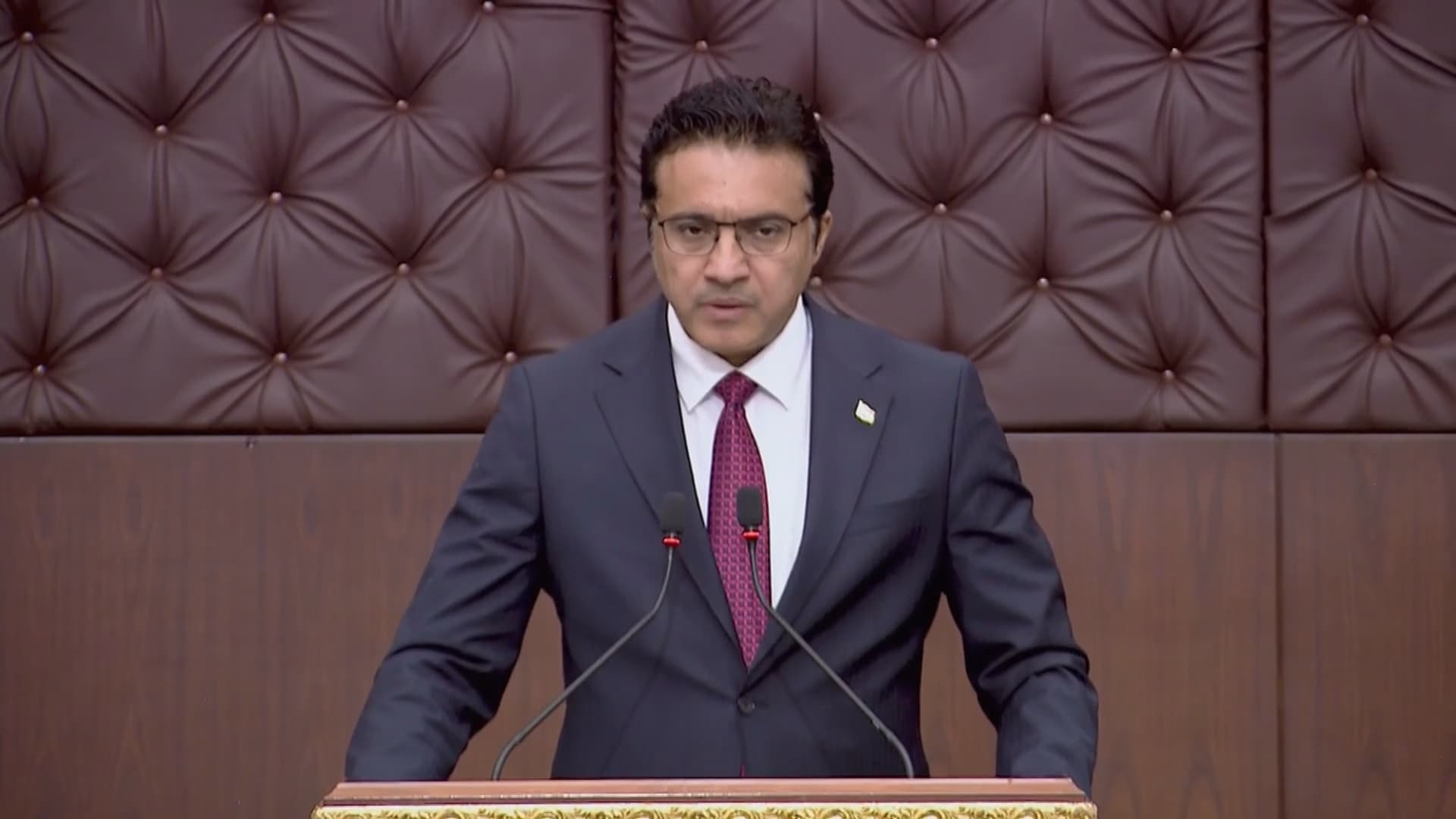
ERBIL, Kurdistan Region - Iraqi Prime Minister Ali al-Zaidi on Thursday declared three days of national mourning across the country following the death of senior Shiite cleric Grand Ayatollah Mohammad Ishaq al-Fayyad, who had long been rumored to be among the potential candidates to succeed Iraq’s highest Shiite religious authority, Grand Ayatollah Ali al-Sistani.
“We extend our condolences to the supreme religious authority [Sistani], to our honorable Iraqi people, and to the Muslim community worldwide on the passing of the great religious cleric [Fayyad],” Zaidi said in a statement, declaring three days of mourning across the country “on this sorrowful occasion.”
The Iraqi premier described Fayyad’s death as a “painful loss,” noting his efforts in promoting Muslim unity and “supporting just causes of the Arab and Islamic world.” Zaidi further hailed Fayyad as “one of the great pillars of jurisprudence,” who “made significant contributions to elevating the esteemed status of the blessed religious seminary [Hawza] in Najaf.”
Of note, the religious seminary in Iraq’s southern Najaf province - home to the shrine of the first Shiite Imam, Ali bin Abi Talib (599 - 661), cousin and son-in-law of the Prophet Muhammad - is regarded as the oldest and most historically significant center of higher learning in Shiite Islam.
Earlier in the day, Iraq’s ruling Shiite Coordination Framework offered its “condolences to the Islamic world” on the passing of the 96 year old cleric, and subsequently canceled Eid al-Ghadir celebrations.
The latter holiday is a pivotal annual occasion for Shiite Muslims, who regard it as the moment when the Prophet Muhammad appointed Ali as his immediate successor. However, interpretations of this event are disputed by followers of Sunni Islam.
Who is Fayyad?
Grand Ayatollah Fayyad was widely regarded as one of the world’s most senior and influential Shiite clerics. He belonged to the elite group known as the ‘Great Four,’ who have led the Najaf seminary, and within the global Shiite hierarchy, he ranked just below Sistani in terms of senior religious authority.
Born around 1930 in the Jaghori district of Ghazni Province in central-southern Afghanistan, he was of Hazara ethnic origin. He traveled to Najaf at around the age of 10 to pursue advanced religious studies, spending decades studying under the prominent late Grand Ayatollah Abu al-Qasim al-Khoei, and eventually becoming one of his most distinguished students.
Following Khoei’s passing in 1992, Fayyad supported Sistani’s rise as the leading authority of the Najaf seminary.
Fayyad was also widely respected for his deep expertise in Islamic jurisprudence (fiqh) and was among the most vocal critics of Iran’s doctrine of Guardianship of the Islamic Jurist - Velayat e-Faqih - model, arguing that religious scholars should serve as spiritual and moral guides to society rather than engage in government operations or hold political rule.
Despite not being Iraqi by birth, Fayyad played an active role in supporting the stabilization of post-2003 Iraq, echoing Sistani’s calls for democratic elections, the drafting of an inclusive constitution, and a firm rejection of sectarian violence in favor of a unified Iraqi state.
Due to his scholarly stature, Fayyad had long been considered a key figure and potential successor to Sistani in leading the Najaf seminary, should such a transition ever be required.