ERBIL, Kurdistan Region - There is no fuel shortage in Baghdad or any other Iraqi province, a senior official from Iraq’s oil ministry told Rudaw on Wednesday, insisting that fuel supplies across the country remain “under control.” The statement comes despite reports from lawmakers and residents, particularly in Kirkuk, of disruptions in the oil-rich province, where people say they are queueing for hours to refuel.
There is currently “no gasoline crisis in Baghdad or other provinces,” said oil ministry Spokesperson Salim al-Rukabi, adding that “Iraq has relied on imported gasoline to address any shortfalls” and that “any future shortages would be covered through imports of gasoline from overseas as well.”
Rikabi further said that the ministry “has spared no effort in securing petroleum products for citizens, particularly gasoline,” detailing that while “a gap between production and consumption” had emerged in recent months, in parallel with the Iran war, “the issue had been brought under control by operating the country’s refineries at full capacity.”
The remarks come after images of long queues at gas stations across Iraq emerged in recent months, particularly following the outbreak of war between the US, Israel, and Iran and the resulting disruptions to maritime shipping through the strategic Strait of Hormuz.
During the war, Iraq’s oil exports, which are among the world’s largest proven crude reserves, collapsed from over 4 million barrels per day to nearly zero. As the country ran out of storage space for the unexported oil, the government was forced to completely halt production at its massive southern fields.
Amid the tensions, a fuel crisis emerged, chiefly driven by a mix of public panic-buying and wartime supply disruptions. Domestic gasoline demand also surged to record levels of around 35 million liters per day as the hot summer season began, as local production lagged behind at roughly 30 million liters per day, according to Baghdad’s oil ministry in early June.
Rikabi said on Wednesday that as Tehran and Washington have announced a war-end deal, this has had “a positive impact on energy markets,” pointing to signs of “greater stability and the return of some foreign companies that had withdrawn from oil fields and refineries during the tensions.”
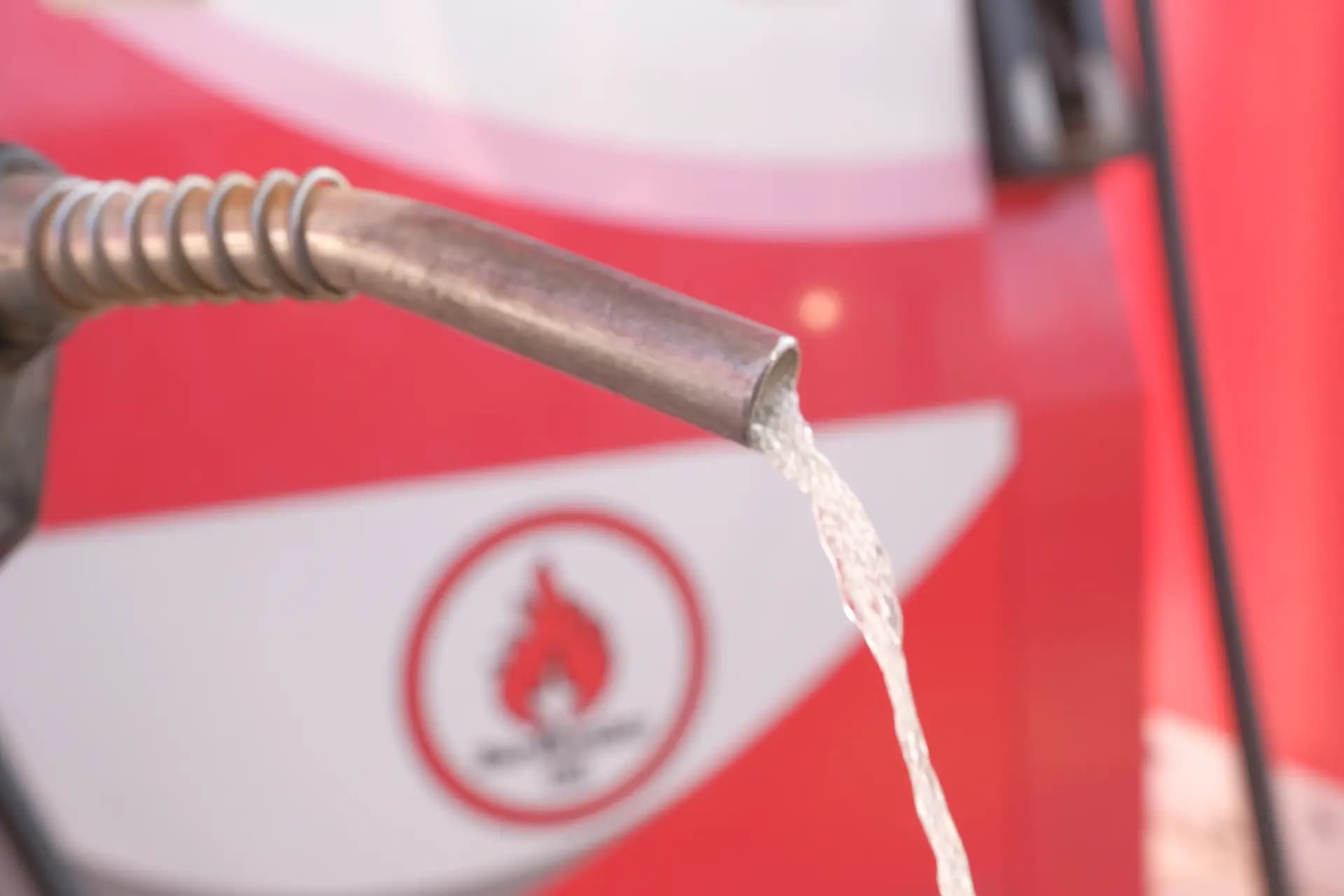
Despite this, Ari Ahmed, a Kirkuk resident, told Rudaw on the same day that residents are still feeling the impact of the crisis in the oil-rich province, where “we are waiting in line for two hours for gasoline.” He also noted that “the frequent closure of privately owned fuel stations is increasing pressure on government-run stations.”
For his part, Ali Rabie, director of the Kirkuk branch of the state-owned Oil Products Distribution Company, told Rudaw that Iraq continues to face a “four million-liter-per-day shortfall,” explaining that while this gap had previously been covered through imports from regional countries, the disruptions to shipping in the Strait of Hormuz “have complicated the process.”
In Kirkuk, “daily gasoline allocation has been cut by 150,000 liters and now stands at 1.75 million liters,” Rabie said.
Meanwhile, Hallow Jabari, a member of the Iraqi parliament representing Kirkuk, said that fuel allocations have been reduced in many provinces, not just Kirkuk.
“A number of refineries in southern Iraq are not operating at full capacity, while fuel consumption has increased in recent months,” Jabari told Rudaw, adding that “gasoline is even being transported from Kirkuk to Baghdad and other provinces” due to the crisis.
Of note, the fuel crisis in Iraq emerged in recent months despite then-Prime Minister Mohammed Shia’ al-Sudani announcing in early November that the country had “officially achieved full self-sufficiency in liquid petroleum products, including gasoline, diesel, and kerosene.” He credited the achievement to his government’s efforts in upgrading existing infrastructure and launching new refining facilities to insulate Iraq from external markets and save billions of dollars annually.
However, disruptions in the Strait of Hormuz exposed structural vulnerabilities as Iraq again faced a 4-million-liter-per-day deficit, forcing a renewed reliance on imported fuel to bridge the gap and ultimately leading to long queues and rationed fuel allocations in provinces such as Kirkuk.
Gashaw Khalid contributed to this article from Erbil, Kurdistan Region.