
ERBIL, Kurdistan Region - Iraq has made ‘tangible progress’ in developing its national anti-money laundering system in an almost two-year process, amid concerns of US dollars being smuggled to armed groups.
“After almost a two-year process to review Iraq’s anti-money laundering and combating the financing of terrorism regime,” a US Government Official told Rudaw on Friday, Iraq has agreed to “cooperatively work” with the Financial Action Task Force (FATF) to address its “most strategic Anti-Money Laundering and Countering the Financing of Terrorism (AML/CFT) Council deficiencies.”
The official noted that “Iraq has already begun taking positive steps, demonstrating political will to abide by FATF international standards.”
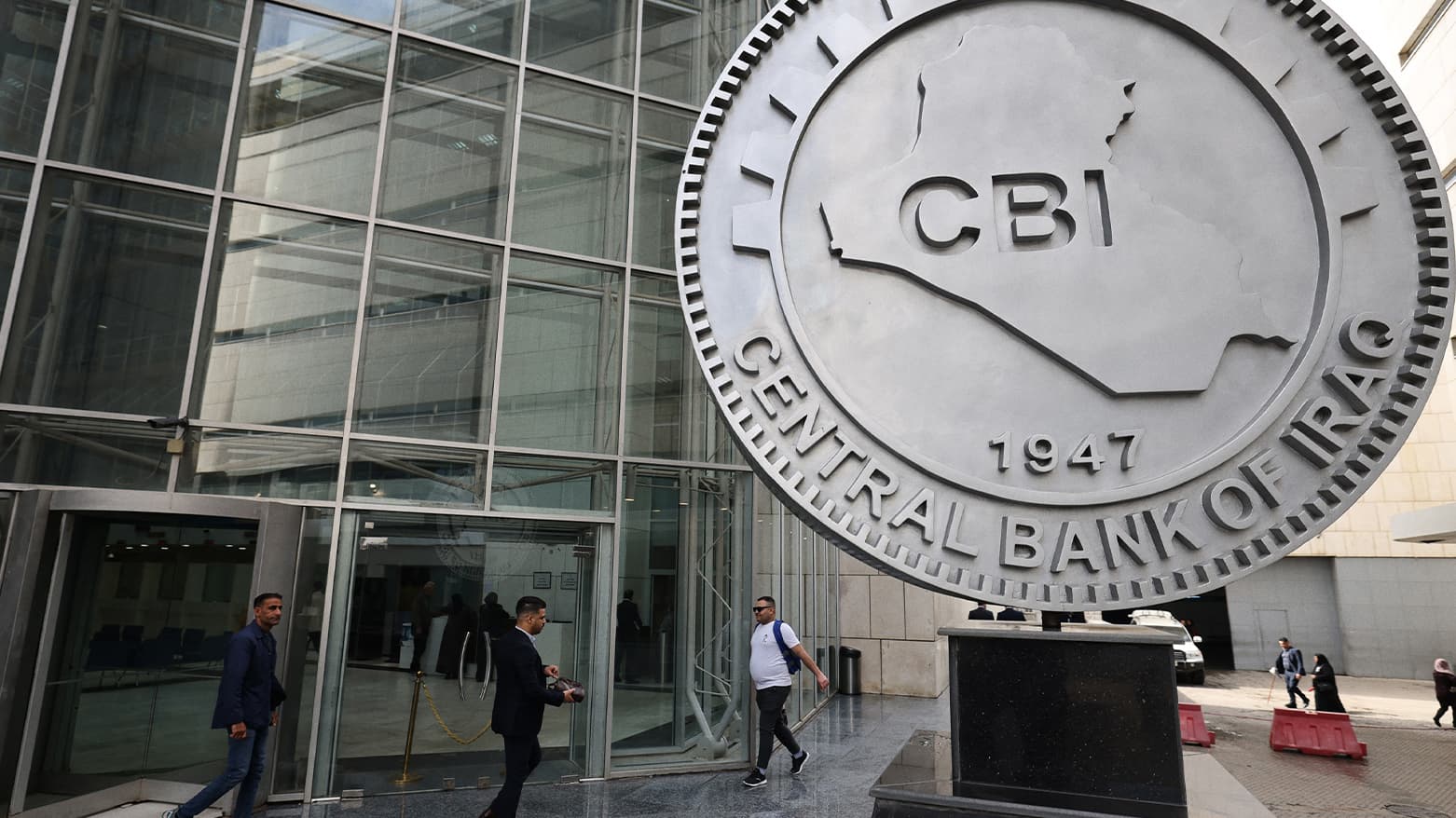
The AML/CFT Council is a governmental organization that investigates reports of suspected money laundering, terrorism financing, and related financial crimes. Established in 2007 as part of the Central Bank of Iraq as the Money Laundering Reporting Office, it became an independent body in 2015.
In January, US officials announced plans for a comprehensive review of suspected payment records and financial transactions involving Iraqi institutions and individuals linked to smuggling, money laundering, and the financing of armed groups.
The AML/CFT Council reported Friday that Iraq has made progress on recommendations from its November 2024 Mutual Evaluation Report to reform the banking sector and regulate dollar transactions amid heightened international scrutiny over financial compliance and money laundering.
Improvements include efforts to "apply market entry controls to prevent criminals and terrorists from accessing vital sectors," providing guidance to non-bank financial institutions and designated professions, and "introducing measures to mitigate risks in the real estate sector."
Authorities have also improved their understanding of how legal entities are "misused" in money laundering and terrorism financing operations.
In a statement discussing Iraq’s compliance to international standards, the council emphasized that Iraq’s commitment, through its financial, judicial, regulatory and security institutions, to implementing the joint action plan represents a "fundamental pillar for solidifying the Iraqi financial system, protecting the national economy, and accelerating the exit from the enhanced follow-up list.”
The council concluded by commending the initiative carried out by the Iraqi federal government and the Kurdistan Regional Government, noting that "Iraq avoided the blacklist, which includes several countries, by complying with standards and addressing identified weaknesses."