ERBIL, Kurdistan Region - Authorities in the Kurdistan Region are preparing to receive thousands of Iranian pilgrims travelling to central Iraq for the annual Arbaeen pilgrimage, with officials in Erbil saying all necessary arrangements have been finalized ahead of their expected arrival next month.
As in the past two years, a portion of Iranian pilgrims will travel through the Kurdistan Region's border crossings en route to Iraq's Shiite holy city of Karbala.
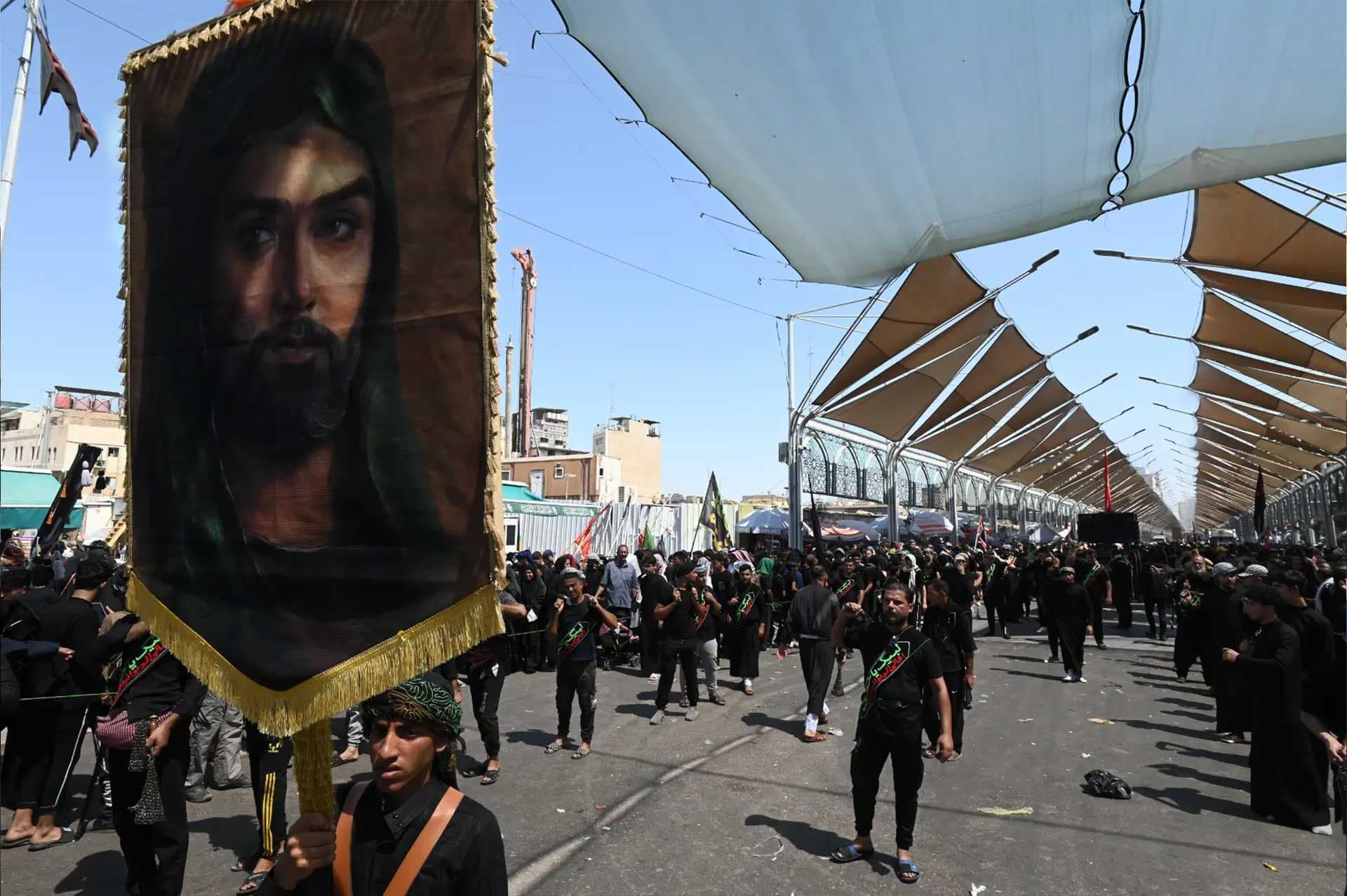
The Shiite Muslim Arbaeen pilgrimage marks the end of a 40-day mourning period for the grandson of Prophet Muhammad, Imam Hussein, who died in a battle fought in Karbala in 680 AD.
Millions of religious tourists from Lebanon, Turkey, Kuwait, and especially Iraq’s Shiite-majority neighbor Iran journey to Iraq for a 80-kilometer walk from Najaf to Karbala - both Shiite holy cities.
Karbala is one of the holiest cities for Shiite Muslims. It is located in central Iraq about 80 km southwest of Baghdad.
The majority of pilgrims passing through the Kurdistan Region are expected to enter through the Haji Omaran border crossing in Erbil province.
"Border officials have held meetings, and all preparations have been finalized," Erbil Governor Omed Xoshnaw told Rudaw on Tuesday. "Similar to previous years, committees have been formed, and pilgrims will be welcomed at several stations until they are transported to Karbala.”
Abdulwahab Mahmoud, mayor of Haji Omran sub-district, told Rudaw the exact date for the pilgrims' arrival has not yet been determined but is expected to be in mid-July.
In Sulaimani, Governor Haval Abubakir said that authorities would announce further details once plans are finalized.
According to authorities, around 200,000 pilgrims crossed through the Haji Omaran and Bashmakh border crossings in 2024, while the number using the route dropped to 100,000 last year — a decline that came soon after the 12-day war between Israel and Iran in June.
During previous Arbaeen seasons, Kurdish authorities provided free transportation, drinking water, food, cooling stations and ambulance services from the border crossings to departure points for Karbala. Additional passport control stations were also established to speed up processing.
Meanwhile, Iranian officials reported a surge in pilgrim traffic through the Mehran crossing - known as Zurbatiyah on the Iraqi side - one of the main gateways between the two countries.
Ahmad Karami, governor of Ilam province, said on Tuesday that at least 106,000 Iranian pilgrims had crossed into Iraq through Mehran since last week.
"In the last 24 hours alone, 18,000 pilgrims have crossed the border," Karami said, adding that rest areas, prayer spaces and parking facilities had been prepared to accommodate pilgrims.
Arbaeen is one of the world's largest annual religious gatherings. This year's observance is expected to fall around August 4 or 5.
Ahead of Arbaeen, the body of former Iranian supreme leader Ali Khamenei will be brought to Karbala and Najaf for farewell ceremonies and religious pilgrimage before being returned to Iran for burial, the deputy governor of Karbala, Ali Mayali, told Rudaw on Tuesday.
Khamenei was killed on February 28, during airstrikes on his office in Tehran at the start of the US-Israeli war against Iran.
Mayali said the body is scheduled to arrive in Iraq on July 8, when officials will hold a formal farewell ceremony.
He stressed that the visit is solely for religious purposes.
Mayali said Iraqi authorities are making extensive preparations for the event, which is expected to attract large crowds. "There will be a public reception because he is a leader and has followers, and Shiite followers are not bound by borders.”