ERBIL, Kurdistan Region - The Iraqi oil ministry on Thursday denied reports claiming that the country is considering withdrawing from the Organization of the Petroleum Exporting Countries (OPEC), asserting that its membership remains firm. The clarification came after a journalist cited the Iraqi prime minister as saying he would consider “suspending” membership in the alliance if Iraq is barred from producing oil in line with its capabilities.
In a Facebook post, the ministry stated that "reports suggesting that Iraq is considering ending its membership in OPEC do not reflect the official position of the Iraqi government." It added that Baghdad has "consistently emphasized the importance of reassessing production baselines to ensure they are aligned with the sustainable production capacities of member countries."
The UAE-based IMI Media Group's Chief International Anchor, Hadley Gamble, said on X on Wednesday that Iraqi Prime Minister Ali al-Zaidi told her in an interview that Baghdad is considering "suspending" its OPEC membership if the alliance does not allow Iraq to produce oil in line with its capabilities.
The ministry emphasized that there is a "high level of understanding" among member countries regarding Iraq's "unique circumstances" and the challenges its oil industry has faced over the past four decades, including wars and sanctions.
It noted that these "exceptional circumstances are being duly taken into consideration to ensure that Iraq's oil production is set at a fair level," allowing it to maintain its position as "OPEC's second-largest producer while delivering the intended outcomes" of ongoing rehabilitation projects.
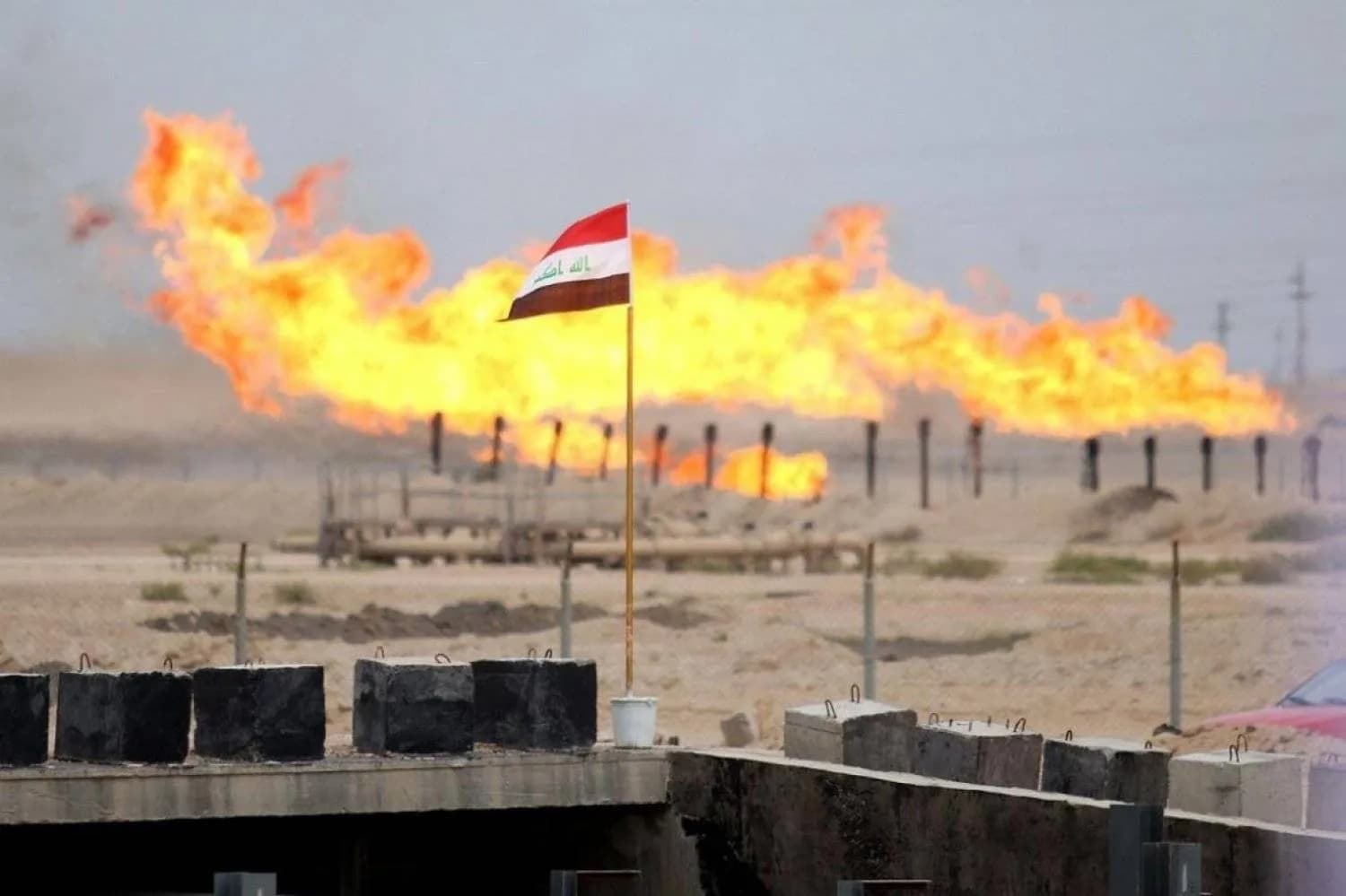
Iraq exports nearly 90 percent of its oil through its southern ports, with monthly capacity averaging 92 million barrels.
However, the country's output has plummeted significantly since February 28, crashing to 10 million barrels in April. That date corresponded with the launch of a large-scale military campaign by the US and Israel against Iran, sparking a regional conflict that lasted nearly six weeks before Washington and Tehran agreed to a Pakistani-brokered deal in April.
During the war and after the ceasefire, both the US and Iran maintained tit-for-tat restrictions in the Strait of Hormuz, through which more than one-fifth of global energy supplies passed before the conflict. The waterway has reopened since Tehran and Washington signed a Memorandum of Understanding (MoU) last week, which includes a 60-day framework for both sides to negotiate a permanent ceasefire.
OPEC, founded in Baghdad in 1960 by Iran, Iraq, Kuwait, Saudi Arabia, and Venezuela, coordinates petroleum policy among its member states to maintain stable oil markets. The bloc currently has 12 member countries after the UAE's exit took effect on May 1. Iraq is OPEC's second-largest producer.