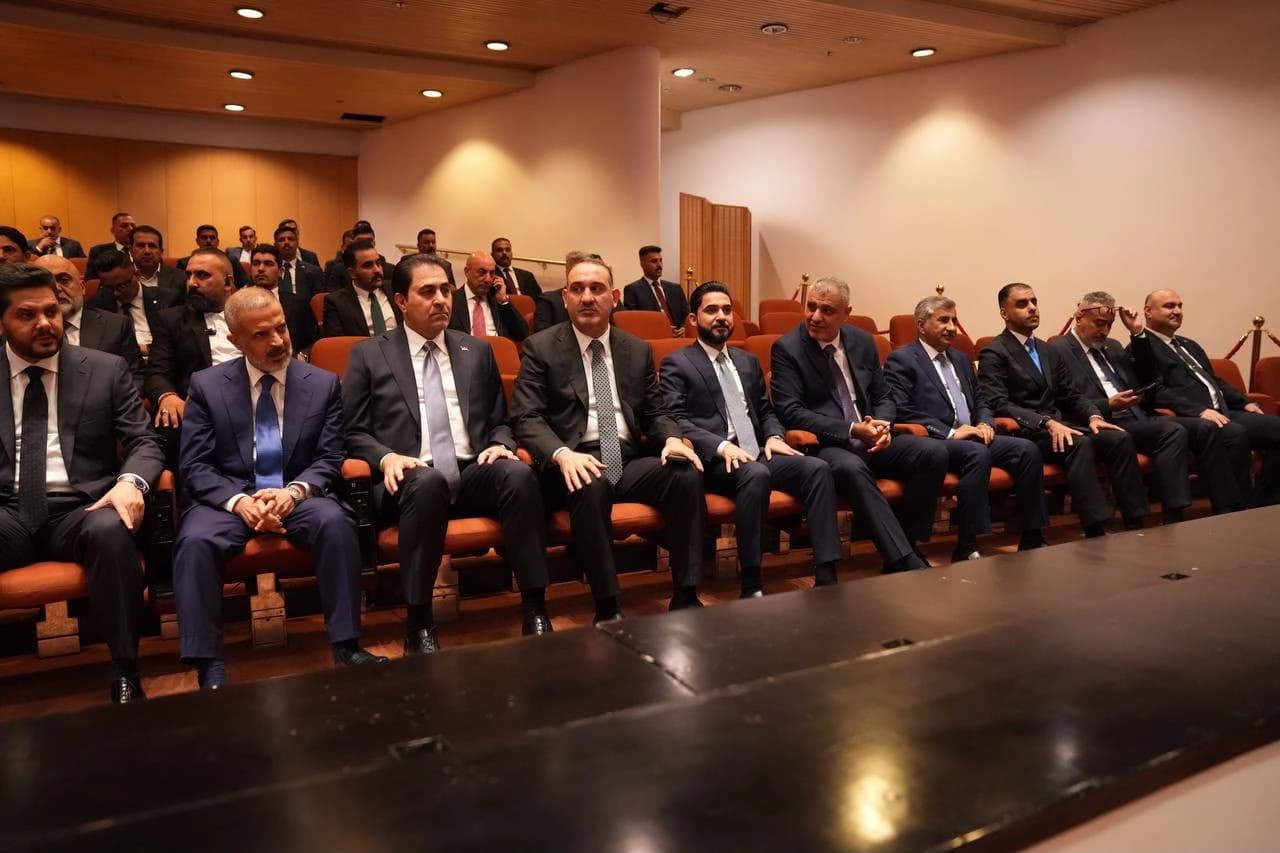
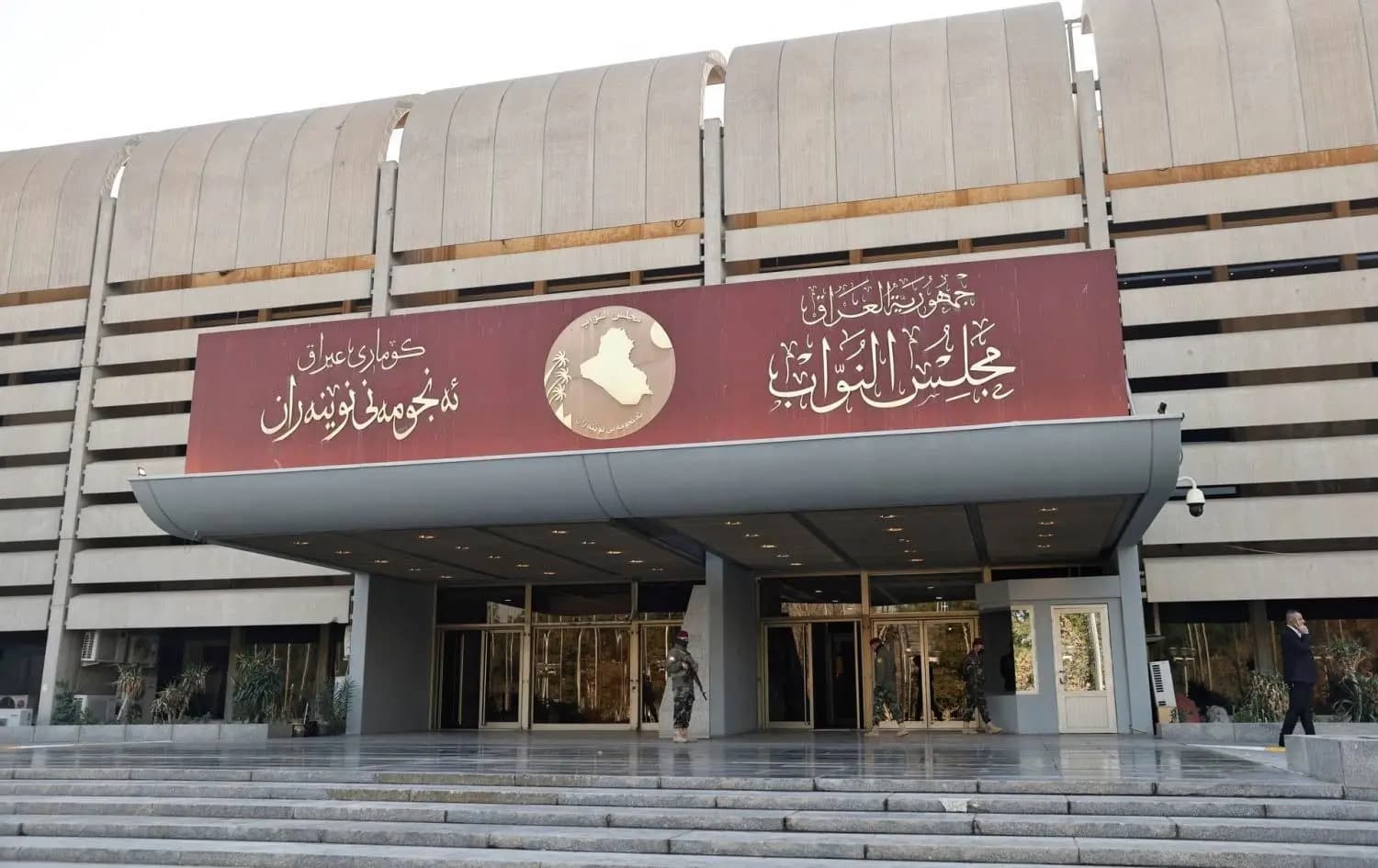
ERBIL, Kurdistan Region - The money spent on Iraq's electricity sector is 10 times higher than what is actually required to provide full power supply, the head of a non-governmental organization said Wednesday, as Iraq continues to struggle with chronic electricity shortages ahead of a difficult summer season.
Mohammed al-Rubaie, head of the head of the Al-Nahrain Foundation for Transparency and Integrity, told Rudaw that "the money spent on electricity is 10 times more than the amount Iraq needs to have a full power supply.”
"The energy sector sees the highest levels of corruption and theft; compared to the money allocated to it, it provides very little service," he stated, noting that, “Vast sums are spent without benefit or service."
His remarks come as Iraqi authorities continue to make headway with Operation Dawn, a large-scale anti-corruption campaign launched on Sunday, amid a lack in public services such as electricity, water, and other government sector services.
Under the direction of Prime Minister Zaidi in coordination with Iraq's Federal Commission of Integrity, the operation has seen the recovery of millions of dollars in stolen public funds and resulted in the arrest of tens of suspects including lawmakers, former officials, and senior government employees.
Electricity generation in Iraq often fails to meet rising demand during peak summer and cold winter seasons. The shortage has been exacerbated by Washington’s decision to rescind Iraq’s waiver to import electricity from Iran in March 2025 as part of the Trump administration’s “maximum pressure” campaign against Tehran.
The Iraqi Ministry of Electricity remains under heavy criticism over persistent power cuts and allegations of widespread corruption, as demand rises sharply during the summer months and supply gaps widen across the country.
According to Rubaie, the ministry has an excessive number of employees "who contribute nothing," claiming that "there is massive corruption in contracts, the collection of electricity bills, and the ministry’s projects. The lack of electricity has impacted other sectors and the Iraqi economy as a whole."
In Iraq’s three-year budget law (2023–2025), more than 14 trillion dinars were allocated annually to the electricity sector.
Ahmed Mousa Abadi, former spokesperson for the Iraqi Ministry of Electricity, warned on Wednesday that the country faces a severe shortfall in generation capacity ahead of peak demand.
"Current electricity production is approximately 22,000 megawatts, while Iraq needs 62,000 megawatts for the summer. This leaves a deficit of nearly 40,000 megawatts," Abadi told Rudaw.
Abadi warned that the summer would be particularly harsh, with uneven distribution of electricity across provinces. Baghdad, Najaf, Karbala, Muthanna, and Diwaniyah receive around 8 to 10 hours of national electricity daily, while Basra receives about 16 to 18 hours. The remainder of demand is met through private generators.
Jamal Kochar, a member of the Iraqi parliament’s Finance Committee, told Rudaw on Wednesday "the corruption within the Iraqi Ministry of Electricity involves massive scandals and is carried out in various ways."
He added that irregularities include contracts, maintenance, transmission, distribution, bill collection, and fuel purchases, noting: "For fuel alone, 16 trillion dinars worth of Iranian gas is purchased annually. Furthermore, the ministry owes a massive debt to the Ministry of Oil for the fuel purchased for power plants."
.jpg&w=3840&q=75)