
ERBIL, Kurdistan Region - The leader of an Iraqi armed group on Monday vowed to retain its weapons despite Prime Minister Ali al-Zaidi’s plan to disarm militias by late September, warning that the US and Saudi Arabia will pay a "multiplied price" for late July joint strikes on the bases associated with the state-sponsored Popular Mobilization Forces (PMF).
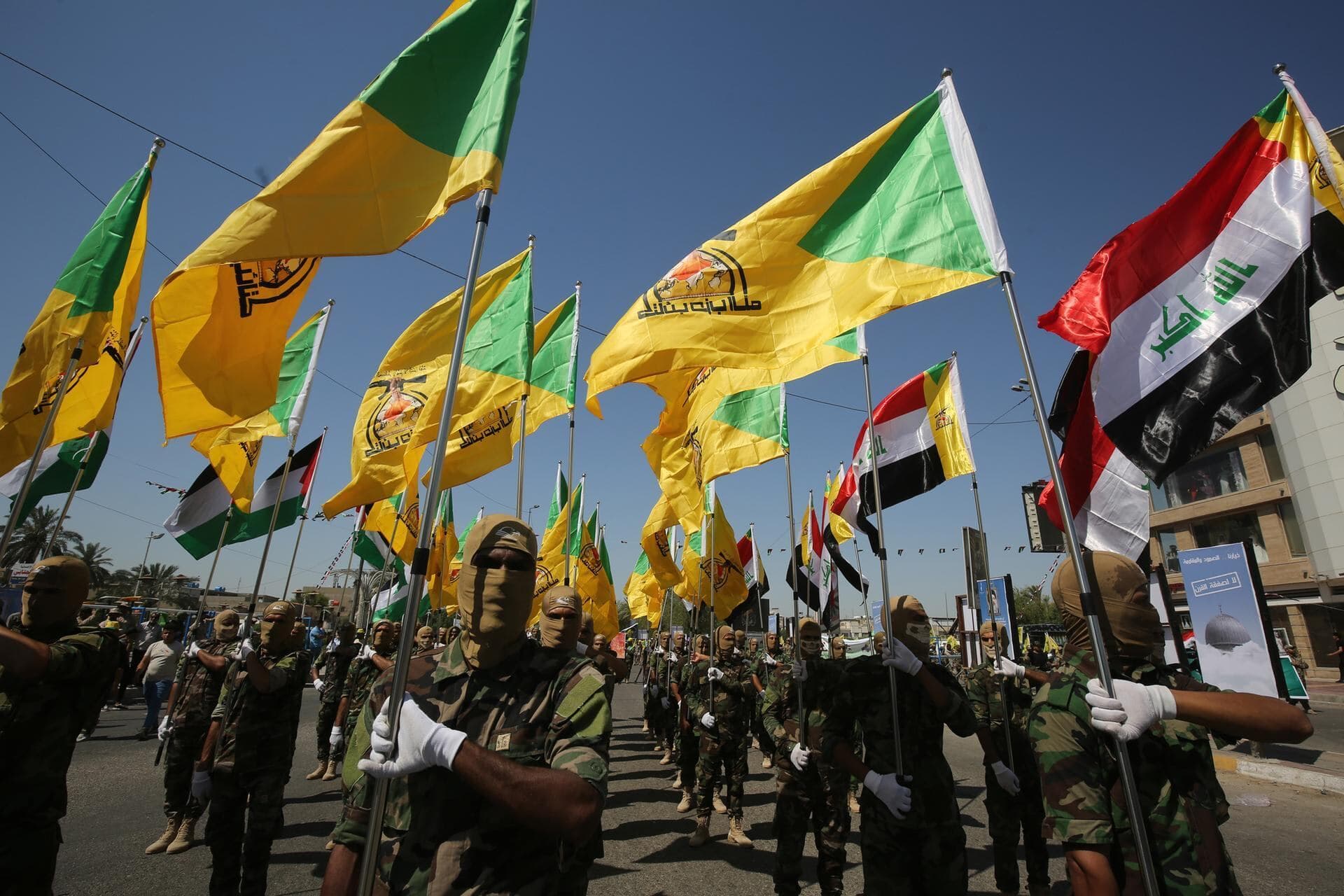
“This calls for us to adhere to the weapon of resistance, not to compromise it, but rather to develop it, enhance its arsenal, and seek to purge our security environment,” Ahmad al-Hamidawi, known as Abu Hussein, leader of Kata’ib Hezbollah, said in a statement published by Sabreen News, a channel affiliated with Iranian-backed factions in the PMF.
The statement cited “the crime committed by the American-Saudi enemy against our sons, in a dangerous precedent that signals repercussions that could usher in a new phase in the region.”
“We emphasize the necessity of full compliance with security procedures and safeguarding secrets, in a manner commensurate with the scale of the challenges, to deter anyone who wishes us harm in the wars of this phase,” it added.
Washington and Riyadh on July 29 conducted coordinated airstrikes on PMF bases across seven Iraqi provinces, killing 20 members of the group. Five members of the Iranian Revolutionary Guard Corps (IRGC) were among those killed as well.
Saudi Arabia said the strikes were in response to earlier "reprehensible drone attacks carried out against the Kingdom by Iran-backed militias in Iraq," and reaffirmed "the Kingdom's determination to deter the perpetrators and its right to respond."
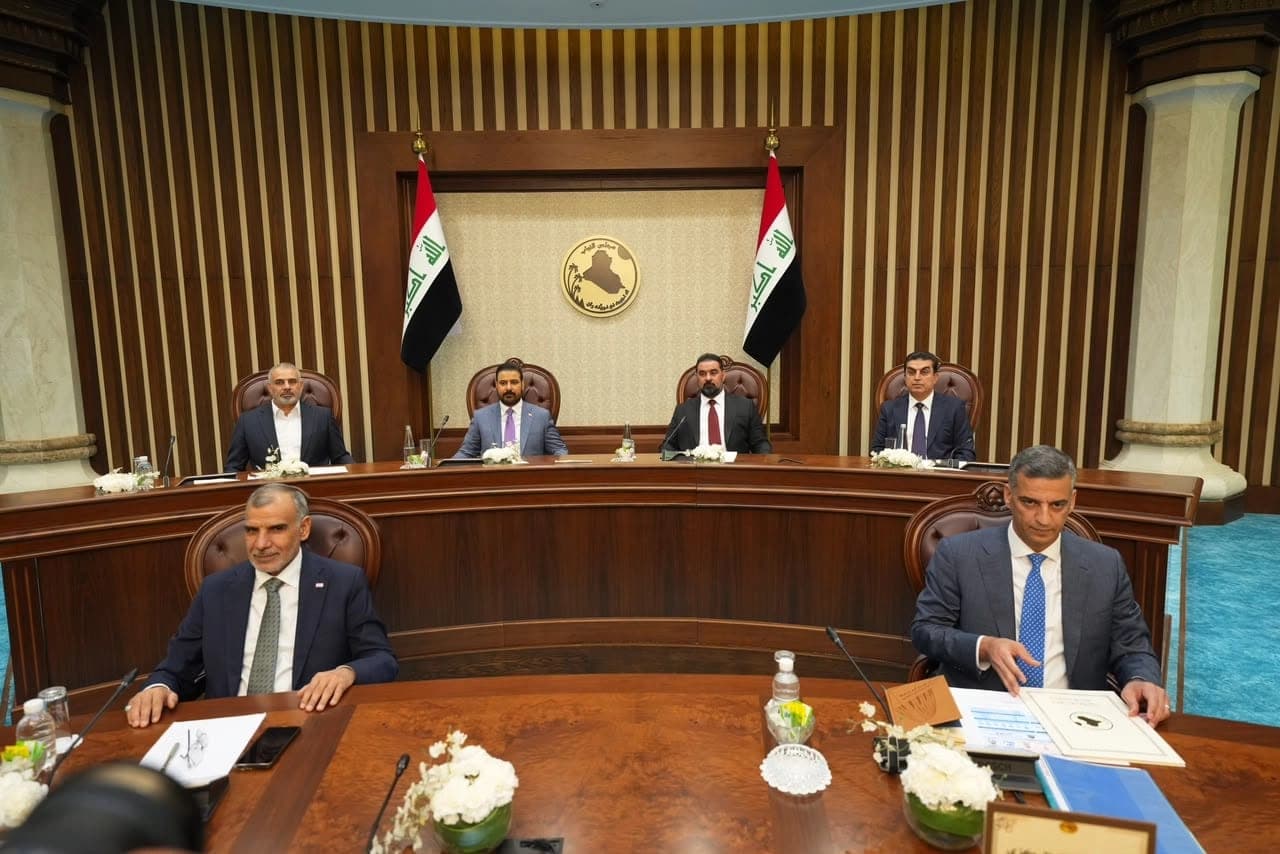
In early June, Zaidi ordered the formation of a committee to oversee the disengagement of political parties and armed factions from the PMF, amid a wider effort by the newly appointed premier to bring paramilitary groups and their arms under state control.
Kata’ib Hezbollah is one of at least three Iraqi factions that have refused to disarm. Along with Harakat al-Nujaba and Kataib Sayyid al-Shuhada, the armed group is part of the Iranian-backed “Islamic Resistance of Iraq (IRI).” They have cited the continued presence of foreign forces - namely those of the US-led Global Coalition to Defeat the Islamic State (ISIS) - as justification for refusing to comply.
The IRI overlaps with the PMF, which has been recognized as an official armed force by the Iraqi parliament since 2016.
The umbrella group has claimed responsibility for around 700 attacks on US bases and assets across the region since February 28, when the US and Israel launched a military campaign against Iran. As fluctuating and tit-for-tat attacks have continued between the US and Iran despite reaching a ceasefire in mid-April - and extending it in June - IRI has continued to position its allegiance to Tehran despite Iraq reiterating its neutrality in the conflict.
Meanwhile, the Iraqi premier Zaidi in his meeting with US President Donald Trump in mid-July reaffirmed his resolve to disarm the armed groups by September 30 - which coincides with the scheduled departure of the US-led global coalition in the country.
"Iraqi decision-making is in the hands of Iraqis only and our security forces are capable of protecting our borders. After September 30, we will not allow any entity besides the state to carry any weapons,” he said.