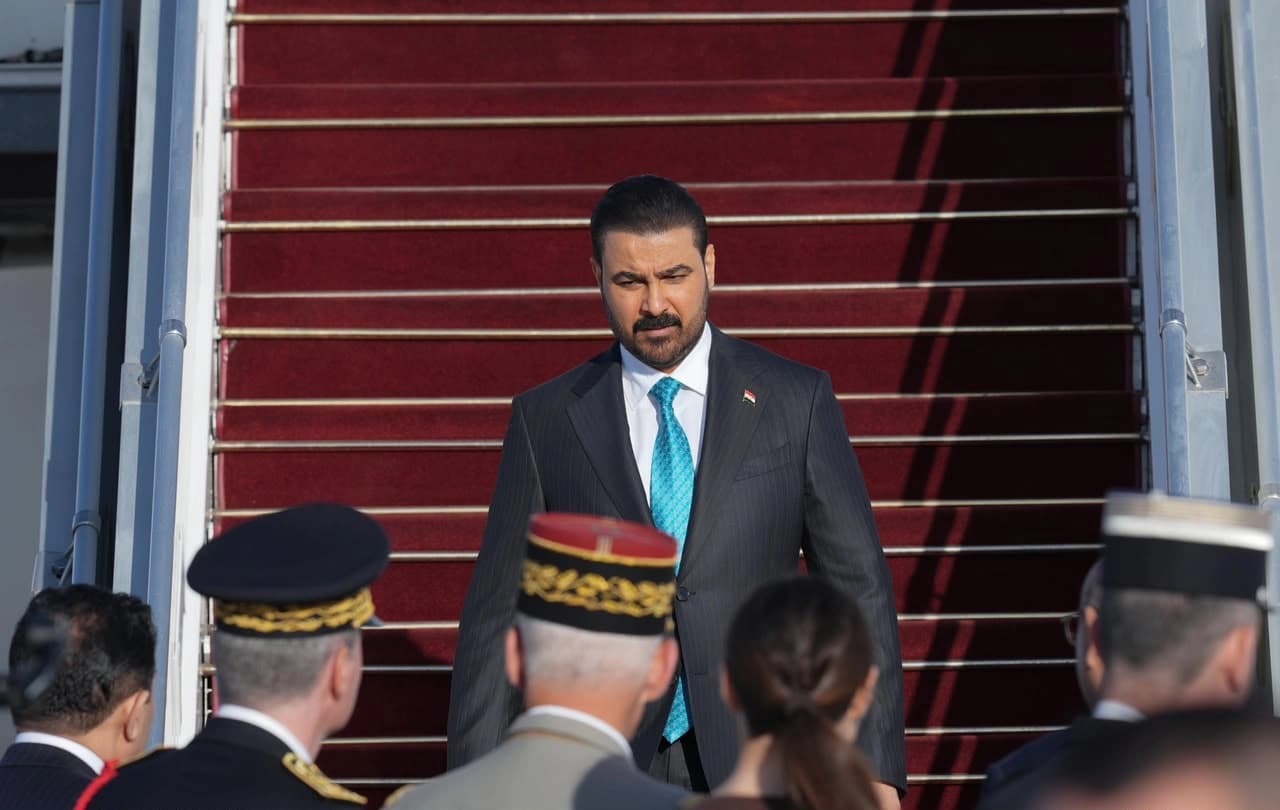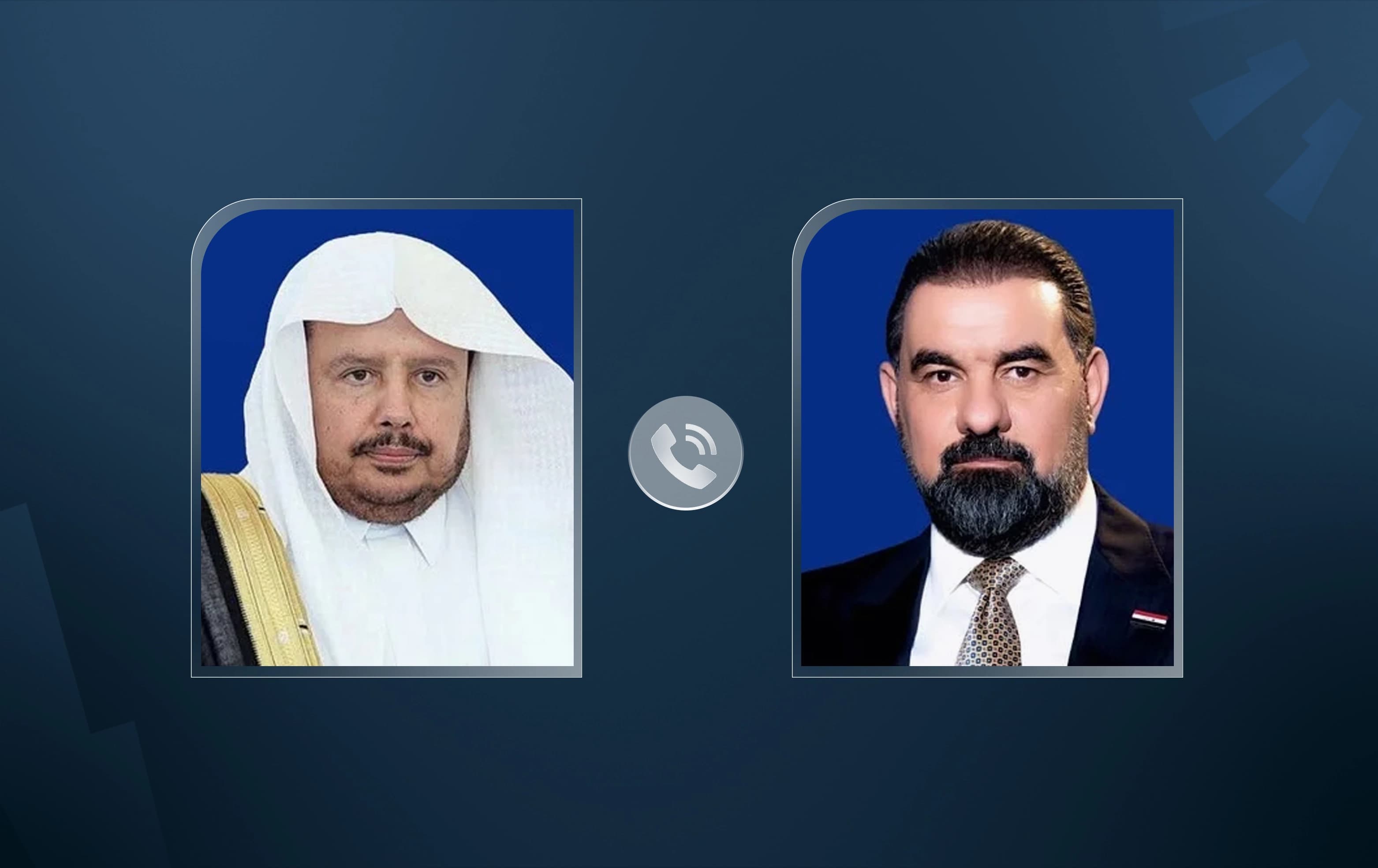

ERBIL, Kurdistan Region - Iraqi Parliament Speaker Haibat al-Halbousi on Sunday condemned attacks against Saudi Arabia that were launched from Iraq in a call with the Chairman of the Saudi Shura Council, his office said, as the Iraqi government continues its joint investigation with Iran.
“The Parliament Speaker expressed his condemnation of the attacks that targeted the brotherly Kingdom of Saudi Arabia, reiterating Iraq’s stance that it refuses the use of Iraqi soil or its airspace to threaten the brotherly Kingdom of Saudi Arabia’s security or that of any neighboring countries,” read a statement from the Speaker’s media office.
“This isn’t compatible with Iraq’s policy or its relations with its siblings or neighbors,” the statement added.
On Saturday, the Iraqi government confirmed, in a rare acknowledgement, Riyadh’s claim that attacks targeting Saudi Arabia’s strategic East-West oil pipeline were launched from Iraq. Baghdad said the attacks originated in Maysan province.
Iraq’s Prime Minister Ali al-Zaidi removed the head of Maysan’s Operations Command and closed the Shalamcheh and al-Sheeb border crossings with Iran as a precaution. On Sunday, the Security Media Cell announced the gradual re-opening of the crossings to travellers starting Sunday, while trade would continue at Shalamcheh on Monday and at al-Sheeb on Thursday.
On Saturday, Iran and Iraq agreed to conduct a joint investigation after several drone launch platforms were discovered near their shared borders.
The Islamic Resistance in Iraq (IRI), an umbrella group of Iran-aligned factions with links to elements of the state-sponsored Popular Mobilization Forces (PMF), sided with Tehran during its six-week war with the United States and Israel from late February to mid-April. The group has also been accused of previous attacks against Saudi Arabia that prompted retaliatory strikes on PMF positions.
This time, Saudi Arabia refrained from retaliatory strikes and instead gave the Iraqi government room to investigate the attacks.
On his part, Chairman of Saudi’s Shura Council Abdullah Bin Mohammed al-Sheikh stressed the “depth of relations” between the two countries and said it was keen to “bolster and develop relations in service of the interests of both countries and fraternal relations, praising Iraq’s stance of refusing any threats harming the kingdom’s security and stability”.
The IRI factions, namely Kata'ib Hezbollah, Harakat Hezbollah al-Nujaba, and Kata'ib Sayyid al-Shuhada, are currently under pressure to heed an Iraqi government deadline of September 30th to restrict arms to the state.
While some groups have expressed willingness to comply with PM Zaidi's push, the three Iran-aligned factions have cited the continued presence of foreign forces - including those from the US-led Global Coalition to Defeat ISIS - as a pretext for non-compliance.
On Sunday, Iraqi President Nizar Amedi and Hikma Front leader Ammar al-Hakim reiterated the government position that Iraq should not be used as a launchpad against neighboring countries.
“I also called for adherence to the constitution, which stipulates that Iraq cannot serve as a conduit, a base, or a launchpad for threats against neighboring countries, and for upholding Iraq’s policy of openness to all, in a manner that serves its interests and preserves its sovereignty,” read a statement from Hakim.