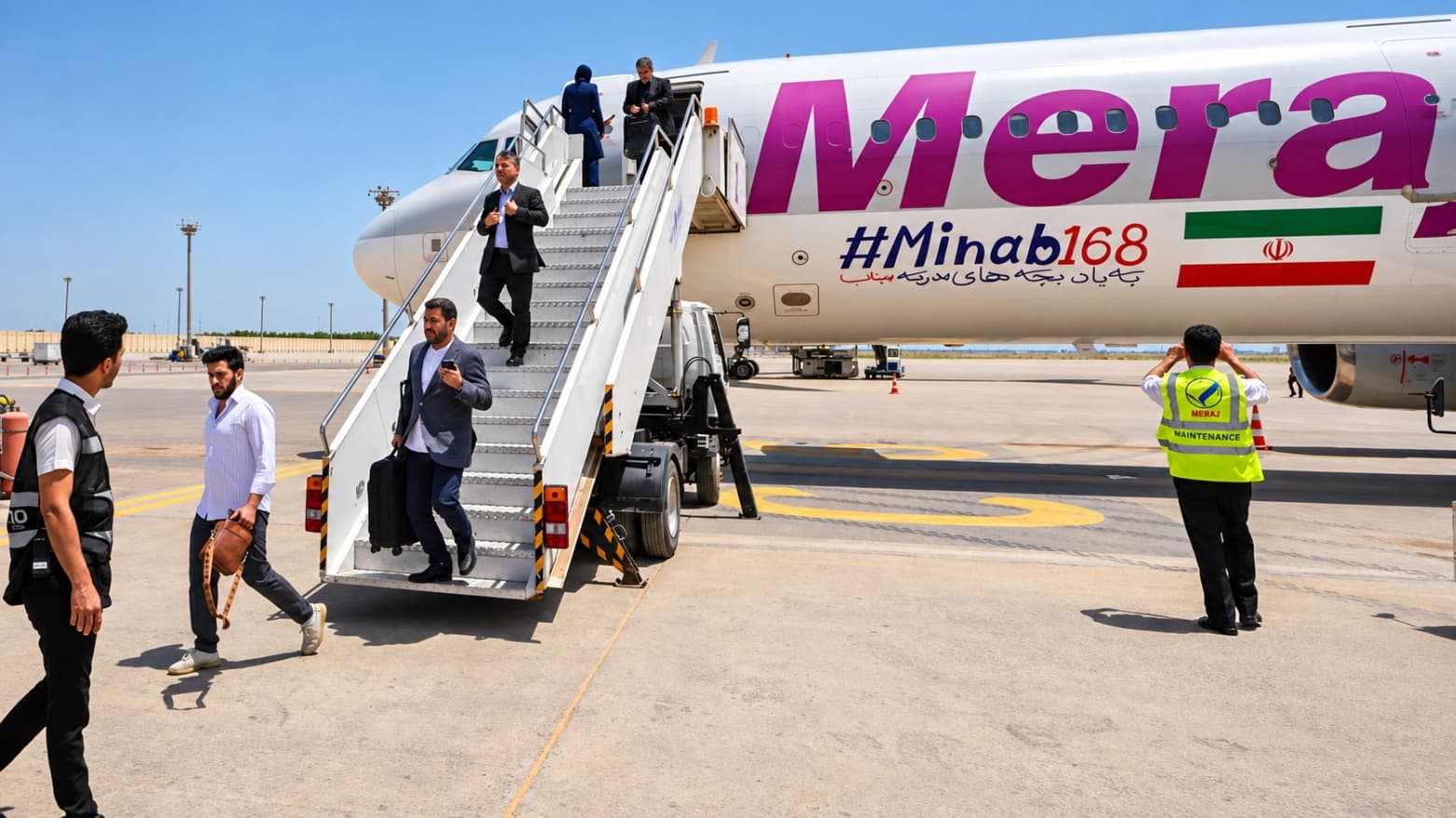

ERBIL, Kurdistan Region - Iraq’s Najaf airport announced on Friday the suspension of flights to and from Iran following US sanctions enacted on Wednesday against Iranian carriers, marking a halt in air traffic between the two Shia-majority countries.
“Based on official directives issued by the relevant authorities, it has been decided to suspend all flights to and from the Islamic Republic of Iran, effective 2:00 AM on Friday, September 25, 2026, until further notice,” read a press release statement from the airport’s administration carried by Iraqi News Agency (INA).
Najaf, approximately 175 km south of Baghdad, constitutes one of Iraq’s holiest cities and serves as a major hub for Shia pilgrims making the journey between Iran as well as sacred sites in Iraq during religious holidays.
US Treasury Secretary Scott Bessent declared on Monday the global shutdown of all Iranian airlines on Wednesday, warning that entities and parties providing fuel, landing services or tickets would be “knocked out of the dollar system.”
The US in late August levied a sweeping sanctions package against Iran, dubbed Operation Economic Outcast, aimed at targeting Tehran’s illicit revenue streams.
As part of the campaign, the US in September targeted “all remaining Iranian airlines,” naming 36 entities - including 27 active carriers - to curtail carrier activity “supporting Iran's aviation sector, which the regime uses to move weapons, personnel, and illicit cargo," including "covert front companies, foreign intermediaries."
The suspension comes days after Iranian authorities announced a halt to flights to Baghdad starting Tuesday, with Iraqi state media citing privately-owned service handlers' refusal “to provide services to Iranian airlines for fear of facing sanctions."
Iran and Iraq, both Shia-majority countries, have seen an influx of pilgrims for major holidays including Arbaeen, one of the largest religious gatherings globally drawing nearly 4.5 million to Iraq’s holy cities of Najaf and Karbala each year - with at least 7,000 crossing by land to the Kurdistan Region’s Haji Omaran border from Iran in 2026 and more than 200,000 in 2024 - to commemorate the end of a 40-day mourning period for Imam Hussein, the grandson of the Prophet Mohammed, who was killed in the Battle of Karbala in 680 AD.

.jpg&w=3840&q=75)