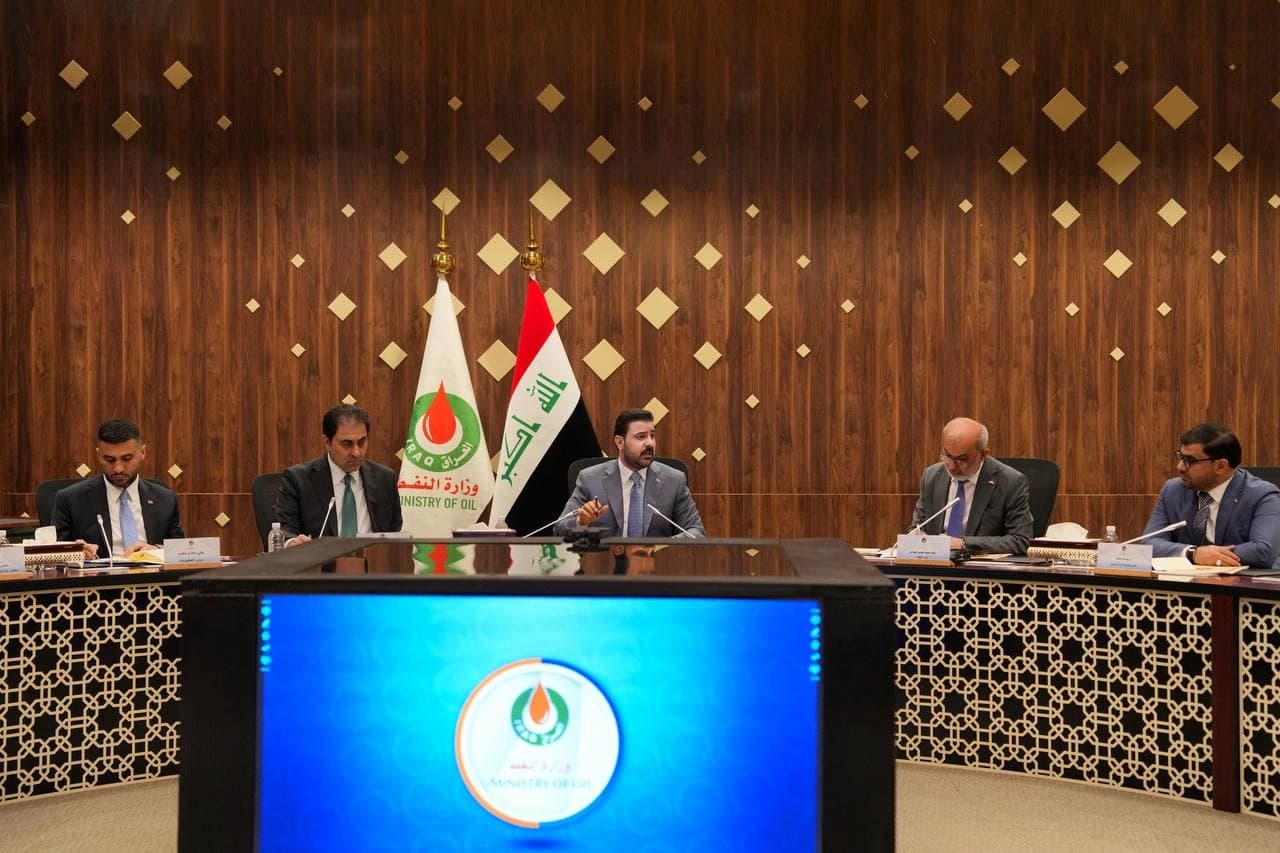
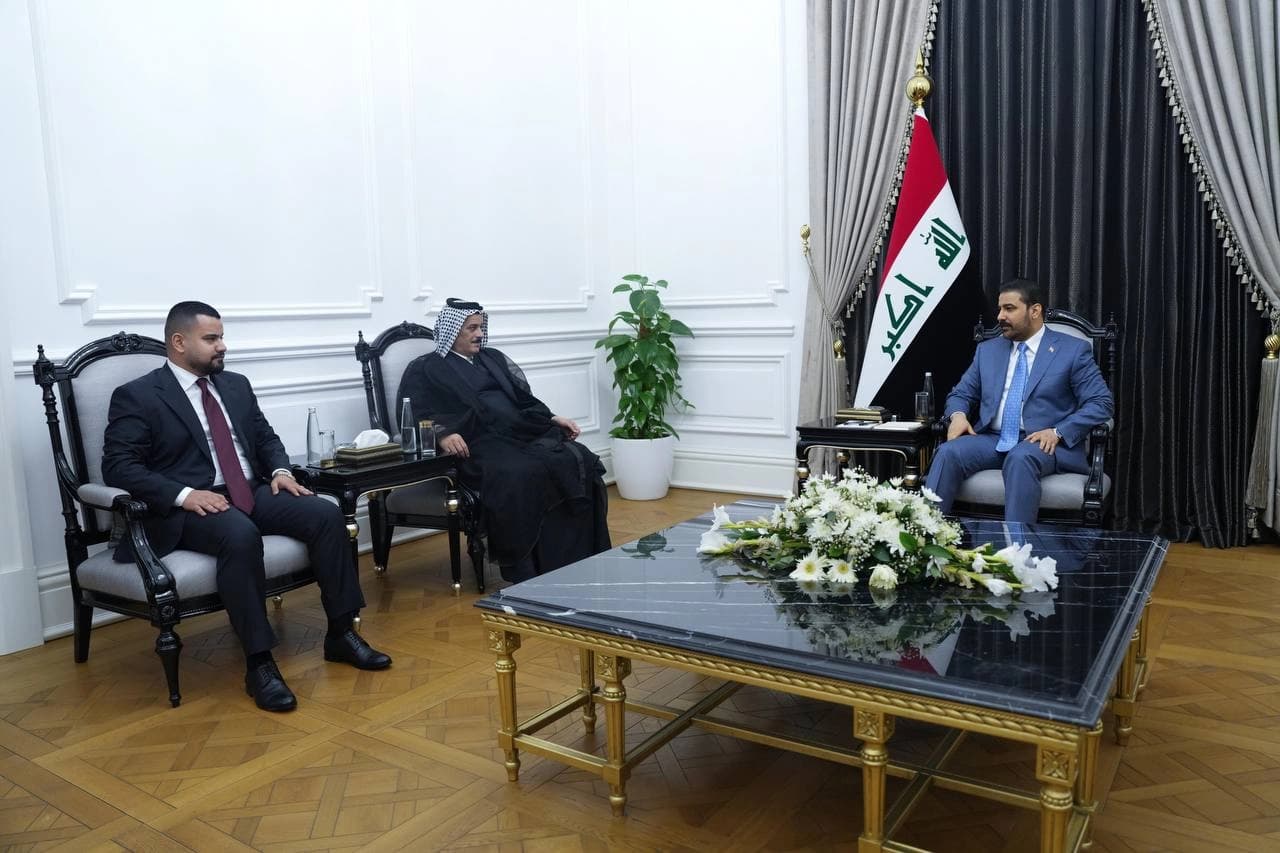
ERBIL, Kurdistan Region - Iraqi Prime Minister Ali al-Zaidi on Monday urged state institutions to pursue criminal complaints against individuals accused of using media platforms to incite violence, support armed groups operating outside state authority, or obstruct government efforts to bring weapons under state control.
“The government affirms that the freedoms of opinion and expression, along with the freedom to engage in media work, are guaranteed under the Constitution and the law,” a statement from the prime minister’s media office read, while warning against using media and social media to “incite violence or internal fighting, support the use of weapons outside state authority, or support outlawed groups.”
Zaidi called on “all” state institutions “to enforce the law and file criminal complaints against anyone who engages in, participates in, or contributes to incitement through the media, or obstructs state decisions to bring weapons under the exclusive control of the state.”
The government directive comes amid continuing tensions between the government and powerful pro-Iran armed groups over efforts to bring weapons under state control. Several factions have rejected or disputed the government’s disarmament timetable, despite the end of the US-led Global Coalition against the Islamic State’s (ISIS) mission in Iraq on September 30.
Baghdad initially sought to resolve the issue by September 30, coinciding with the coalition’s departure, but later announced a deadline of June 30, 2027, for bringing weapons under state control.
However, some groups within the Islamic Resistance in Iraq (IRI), an umbrella group of pro-Iran armed factions, have disputed the new deadline.
Last week, Kata’ib Hezbollah, one of the IRI factions, said negotiations over regulating armed factions’ weapons remained at “square one,” accusing Zaidi of failing to respond to a proposed agreement. The group also demanded clarification of Baghdad’s positions on several regional issues, including US sanctions on Iran, Israeli military operations in Gaza and Lebanon, and the conflict involving the Houthis in Yemen.
Earlier in October, Harakat Hezbollah al-Nujaba, another IRI member, demanded the release of individuals detained by Iraqi security forces for trampling US flags following Washington’s military withdrawal. Its military deputy, Abdul Qader al-Karbalai, defended the act as an exercise of freedom of expression.
In Monday’s statement, Zaidi cited Iraqi judicial guidance concerning offenses involving “the use of weapons, support for their use, or brandishing outside the framework of the state,” referring to Article 2 and 4 of Iraq’s 2005 Anti-Terrorism Law.
Under Article 4, individuals convicted of committing terrorist offenses, as well as those who incite, plan, finance or facilitate such acts, can face the death penalty.
Zaidi also cited Article 195 of the Iraqi penal code, which prescribes life imprisonment for inciting civil war or sectarian fighting through arming citizens or encouraging them to fight one another. The penalty rises to death if the intended violence occurs.
He further referred to Article 81, 82, and 83 of the Penal Code, which govern criminal responsibility for offenses committed through publications, including the potential liability of editors, publishers, and distributors.
“Through these legal measures, the government is fulfilling its duties to safeguard civil peace and maintain internal security and stability,” Zaidi said.
In March, Faiq Zaidan, head of Iraq’s Supreme Judicial Council, warned that attacks on diplomatic missions constituted serious crimes prosecutable under anti-terrorism legislation, with penalties potentially reaching death.
His remarks came as pro-Iran factions carried out attacks against alleged US and Western targets during the US-Israeli war against Iran, which began in late February. By the end of the conflict, the factions had claimed responsibility for more than 750 attacks inside and outside Iraq.